
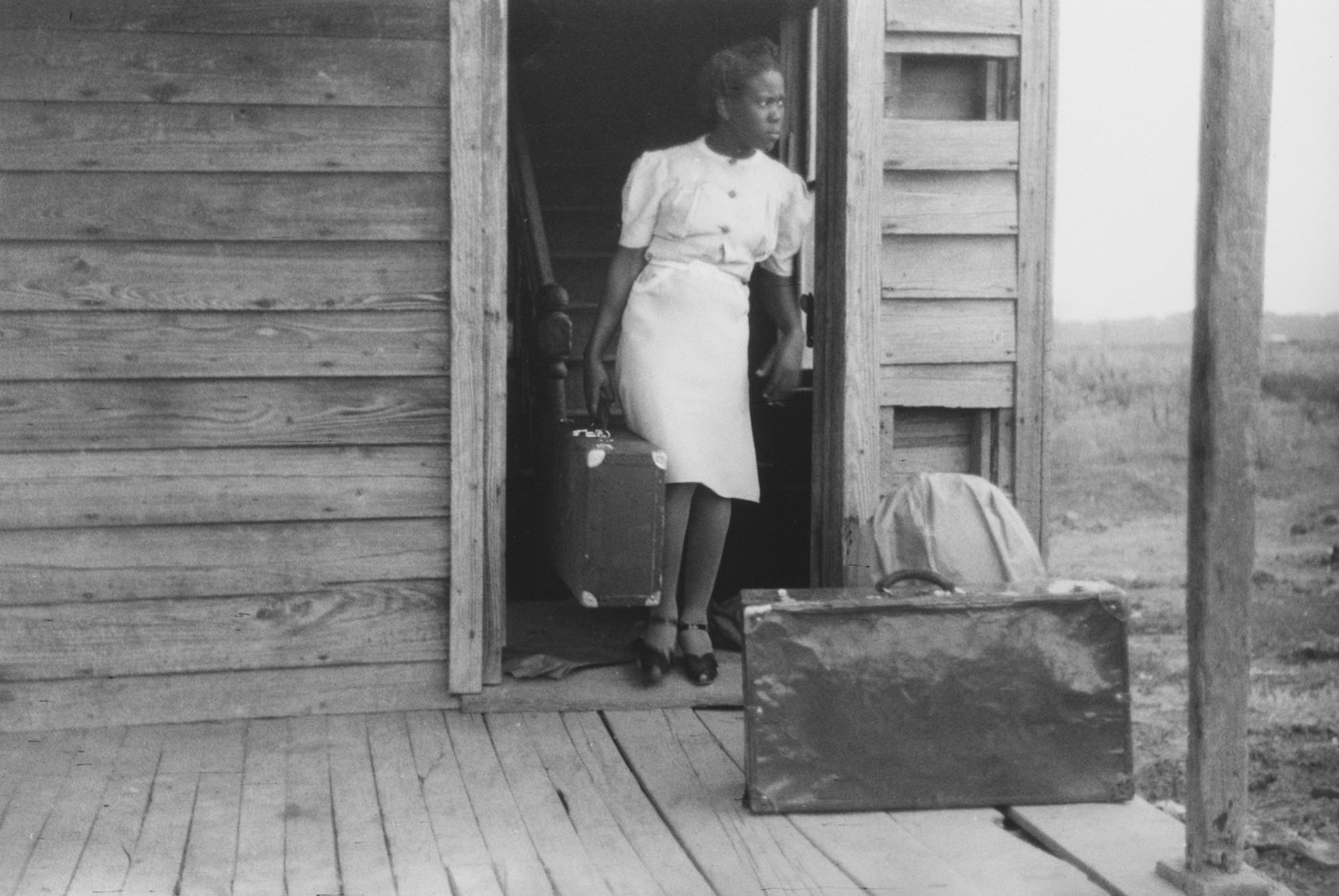
Most households pick a moving date by juggling a closing, a lease, a job and a school calendar. For long stretches of history, though, many people did not pick at all. Custom and lease terms set the date, and whole cities packed up together. Those traditions are a colorful piece of housing history, and they also explain a lot about why moves still bunch up in certain seasons.
New York’s May Day scramble
From the colonial era into the twentieth century, New York City had a Moving Day. Leases for rented homes commonly began and ended on May 1, so a large share of the city’s renters changed addresses on the same day. The origins of the custom are debated, and several stories compete to explain it, but its effects are well documented. Accounts from the nineteenth century describe streets jammed with carts piled high with furniture and household goods, carters in heavy demand and tempers running short.
Anyone who has tried to book movers for the last weekend of a summer month will recognize the problem. When everyone needs the same wagons, the same helpers and the same narrow streets on the same day, the result is congestion, higher costs and frayed nerves. By the middle of the twentieth century the custom had largely faded, as lease terms became more varied and housing grew tight.
Quebec’s July 1 tradition
A version of the tradition survives in Quebec, where many residential leases run to June 30. As a result, a large number of renters move on or around July 1, which is also Canada Day. Moving trucks are booked far in advance, sidewalks fill with furniture and discarded items, and the day has become a familiar part of summer in Montreal and other cities in the province.
The date was not always July 1. Leases in Quebec traditionally turned over in early May, and the standard date was moved to July in the 1970s. The change is often explained as a way to spare families from moving children in the middle of the school year, which makes it one of the clearest examples of the school calendar shaping when people move.
Why summer still draws a crowd
Most of the United States never had a single official moving day, but moves still cluster. Summer brings long daylight, school breaks and, in many places, dependable weather for driving and carrying furniture. Leases often turn over at the start of a month, and many households want to be settled before classes begin. Together, those forces create a moving season rather than a moving day, with the same pressure on trucks, crews and calendars on a smaller scale.
Lessons from the crowded streets
The history offers some practical advice for anyone moving this summer:
- Book early. Moving companies and rental trucks fill up first on weekends and around the end and start of each month.
- Consider the middle. A midweek or midmonth date can mean more choice and a calmer day, if your closing and lease allow it.
- Build in a cushion. A day or two between closing and moving gives you room if something slips.
- Reserve the street. Some cities require permits for a moving truck or container parked on a public street, so check your local government’s website.
The carts and wagons are gone, but the lesson of Moving Day still holds: when everyone wants the same date, planning ahead makes the difference. If you are timing a purchase around a summer move, our contact page is the easiest way to reach us.
Planning a Move During Today’s Busy Season
Modern moves still feel the pull of the calendar. Knowing where the pressure points fall helps you plan around them, much as city renters once had to plan around a single crowded day.
Six to eight weeks out
- Gather quotes from moving companies or reserve a rental truck, especially if your date falls on a weekend or at the end of a month.
- Ask each mover about their rescheduling policy in case your closing date shifts.
- Check whether your building, HOA or city requires reservations or permits for trucks, elevators or loading areas.
Four weeks out
- Begin packing items you will not need, such as off-season clothes, books and decorations.
- Schedule utilities to start at your new home and stop at your old one.
- Arrange childcare or pet care for moving day if helpful.
The final week
- Confirm the mover’s arrival time and the addresses at both ends.
- Pack a box of essentials for the first night.
- Reserve parking or curb space at both homes if allowed.
What History Teaches About Moving-Season Stress
The old accounts of crowded moving days show that much of the stress came from scarcity: too few carts, too few helpers and not enough room on the street. Today, the same principle applies on a smaller scale. When demand is high, flexibility becomes valuable.
- Flexibility on dates can open up better mover availability.
- Flexibility on time of day can make loading easier, especially in summer heat.
- Flexibility on services, such as packing some boxes yourself or using a portable storage container, can help when full-service crews are booked.
Questions Readers Ask About Timing a Move
Is it cheaper to move in the middle of the month?
Many movers have more availability midweek and midmonth, and some may price those dates differently. Ask for quotes on several dates to compare.
How far in advance should I book movers in summer?
Earlier is generally better in summer. Once you have a closing date, it is worth reaching out to movers promptly.
What if my closing date changes after I book?
Contact your mover right away. Knowing their rescheduling terms in advance makes this conversation easier.
Is a portable storage container a good option during a busy season?
For some households it is. Containers can be delivered ahead of time, loaded at your own pace and moved when the company has availability. Check local rules about where a container can be placed, since some neighborhoods and cities restrict containers on streets or driveways.
What should I keep with me instead of on the truck?
Medications, important documents, keys, chargers, valuables and anything you need for closing day are best kept in your own vehicle. If the truck is delayed, those items stay within reach.
Do I need to tell anyone else about my moving date?
Let your neighbors know if a truck will block a driveway or take up street parking for part of the day. A quick heads-up goes a long way, much as it would have on a crowded moving day long ago.


