
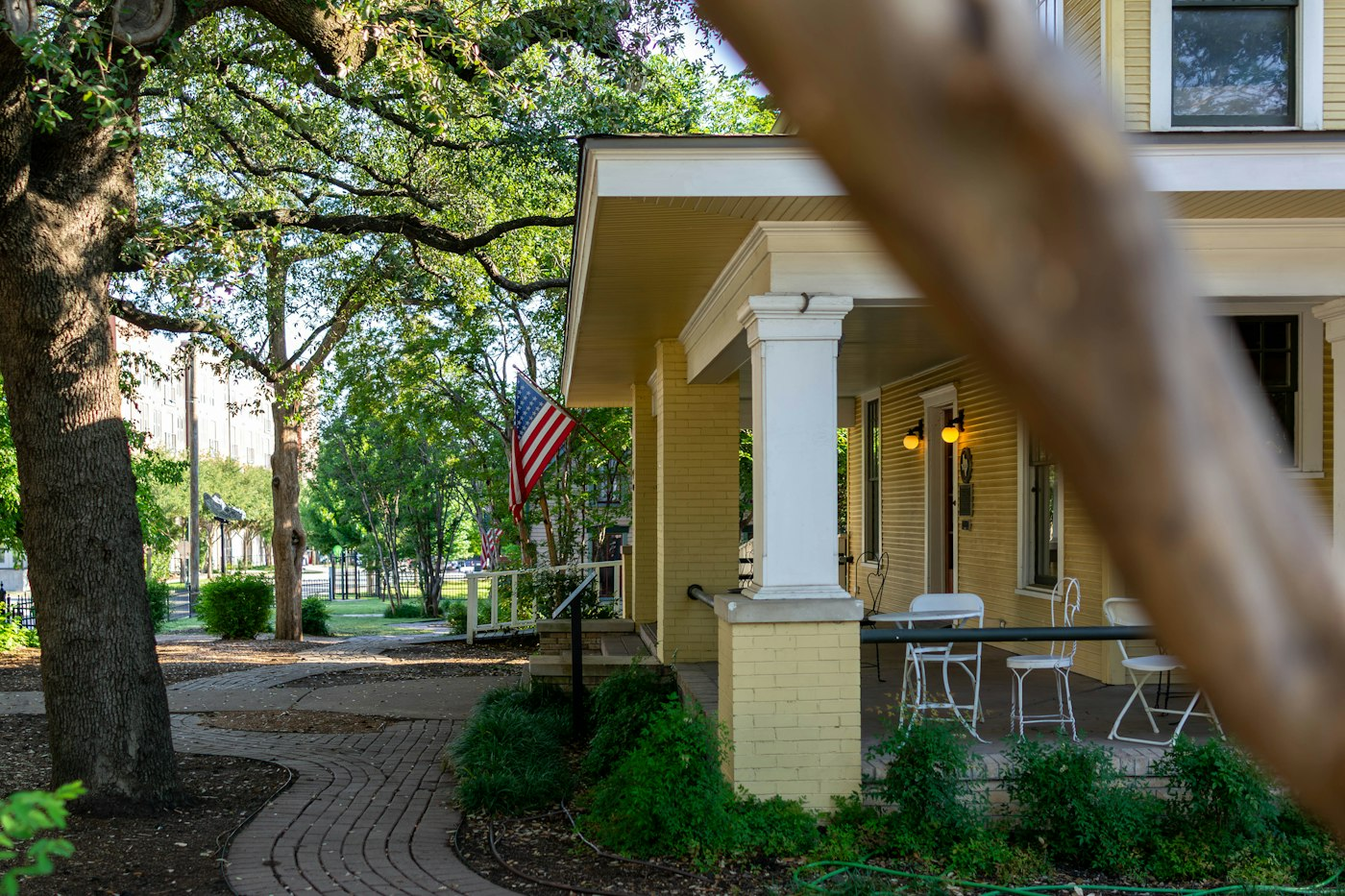
As Veterans Day approaches on November 11, we want to thank the men and women who have served, and make sure they know about the benefits they have earned when it comes to buying a home. VA loans allow zero-down purchases with no mortgage insurance, and Georgia offers property tax exemptions for disabled veterans. Many mountain buyers are retired service members, and these programs can make a real difference in what is possible. Ask Sherry how these programs apply to the home you are considering.
Why These Benefits Matter Here
Gilmer, Fannin and Pickens counties draw buyers from all walks of life, and among them are many veterans looking for a quieter place to settle, a cabin for weekends or a home closer to family. Some are relocating after a final duty station; others have been planning a mountain move for years. For these buyers, understanding VA financing and Georgia’s tax benefits early can shape the entire search, from the price range to the type of property that makes sense.
This post is general education. The details of any benefit depend on your service record, your lender and your county, so please confirm your own situation with a VA-approved lender, the county tax office and, where appropriate, a tax professional or veterans service officer.
How a VA Loan Works
A VA home loan is made by a private lender and guaranteed in part by the U.S. Department of Veterans Affairs. That guaranty is what allows lenders to offer terms that are hard to find elsewhere.
- Zero down payment. Eligible buyers can often purchase without any down payment, which frees up savings for moving costs, furniture or repairs.
- No private mortgage insurance. Conventional loans with small down payments usually require monthly mortgage insurance. VA loans do not.
- Competitive terms. Because of the guaranty, lenders can often offer favorable rates and flexible qualifying standards.
- A funding fee. Most VA loans include a one-time funding fee, which can usually be financed into the loan. Veterans receiving compensation for a service-connected disability are generally exempt from it.
- Reusable benefit. Many veterans can use the benefit more than once over a lifetime.
VA loans are intended for a home you will live in as your primary residence. That matters in the mountains, where many buyers are shopping for second homes or rental cabins. If you plan to live in the home full-time, a VA loan may be a strong fit; if it is a vacation property, talk with your lender about other options.
Getting Started with VA Financing
- Request your Certificate of Eligibility. Your lender can often obtain it for you, or you can request it through the VA.
- Choose a lender experienced with VA loans. Not every lender handles them often, and experience helps the process go smoothly.
- Get pre-approved before you start touring so you know your price range.
- Plan for the VA appraisal. The VA appraisal checks value and also basic property requirements related to safety, soundness and sanitation.
Mountain-specific things to watch
Mountain properties sometimes raise questions that a suburban home would not. Ask early about road access and maintenance, especially for private or shared roads; well and septic systems; and any outbuildings or unusual features. A home that is in good condition with clear year-round access tends to move through VA underwriting more easily. We help buyers spot these issues before making an offer, not after.
Georgia Property Tax Exemptions for Disabled Veterans
Georgia provides a homestead exemption for qualifying disabled veterans, and in some cases for their surviving spouses. The exemption reduces the taxable value of the home you live in, which can meaningfully lower your annual property tax bill. The exemption amount is set by law and adjusted over time, so check the current figure with your county.
A few practical points:
- The exemption applies to your homestead, meaning the home you own and occupy as your primary residence.
- You must apply with the county tax assessor or tax commissioner’s office. It does not happen automatically when you buy.
- Expect to provide documentation of your disability rating from the VA.
- Counties set application deadlines, so ask about timing as soon as you close.
- Georgia counties also offer a standard homestead exemption, and some offer additional local exemptions. Ask the county which ones you may qualify for.
Questions to Ask Before You Buy
- Am I eligible for a VA loan, and is my entitlement fully available?
- Will I be exempt from the VA funding fee?
- Is the home I am considering likely to meet VA property requirements?
- Which homestead exemptions can I apply for in this county, and by when?
- How will the exemption affect my estimated monthly payment, including taxes and insurance?
Common Mistakes to Avoid
Some veterans assume a VA offer will be less attractive to sellers. In reality, a well-prepared VA buyer with a pre-approval and a clear timeline can compete well, especially in a calmer late-fall market. Others forget to file for the homestead exemption after closing and miss a year of savings. And some shop for a property that will not be a primary residence without realizing VA loans are meant for owner-occupied homes. A short conversation up front prevents all three.
Your Next Step This Veterans Day
- Request your Certificate of Eligibility and talk with a VA-experienced lender.
- Call the county tax office in the area you are considering and ask about veteran exemptions.
- Make a list of the homes or communities you are interested in and ask Sherry how these programs apply to each.
To every veteran and every military family: thank you for your service. It would be an honor to help you find your place in these mountains.
Sherry Payne serves buyers and sellers across Gilmer, Fannin and Pickens counties. Call to talk about your plans.


