
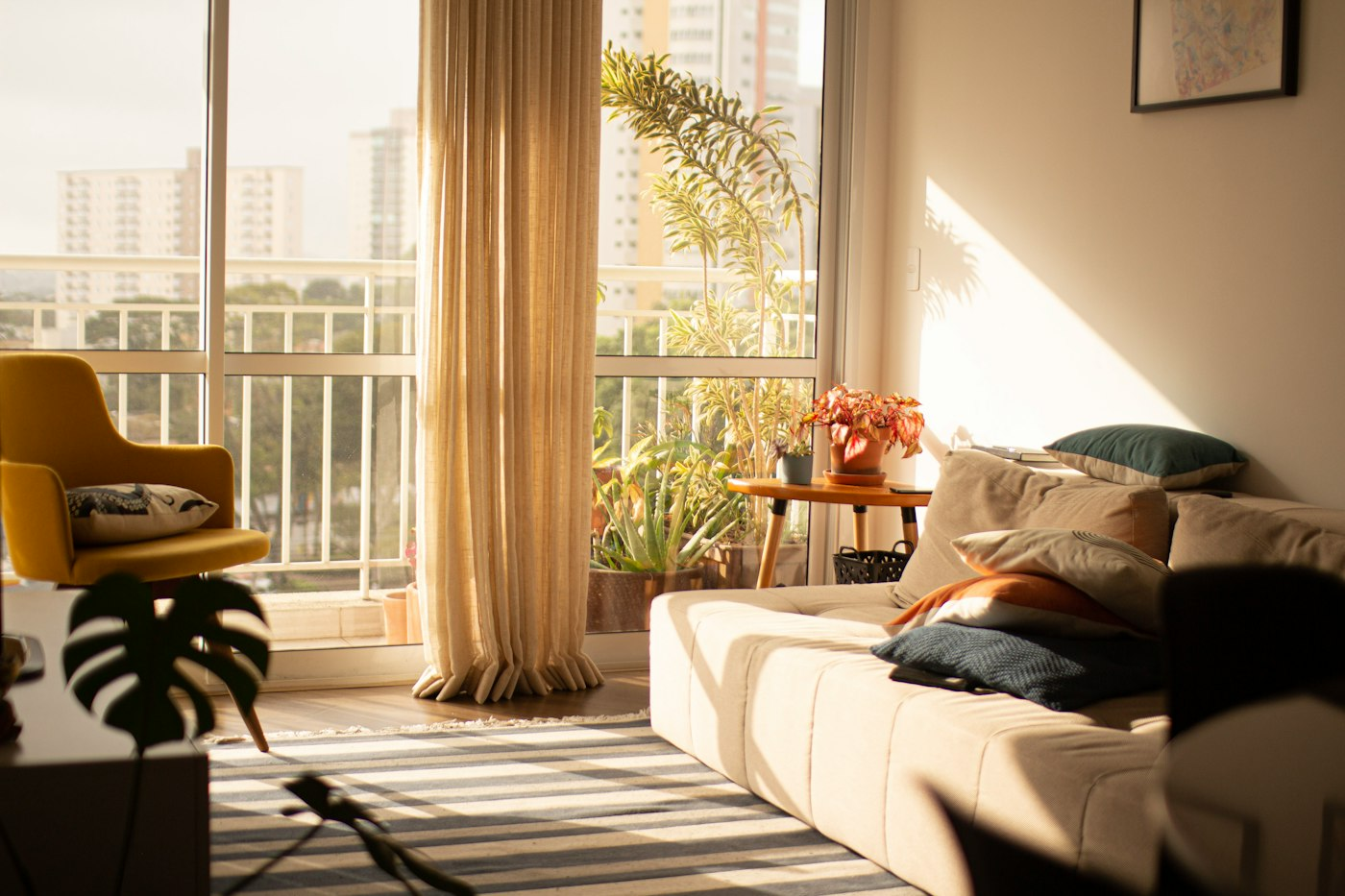
The first time you walk through a house, you are mostly reacting. You notice the light, the layout and that feeling of “this could be it.” A second showing is different. It is a working visit, a chance to slow down, look closer and test whether the home fits the way you actually live. If you are seriously considering an offer, it is time well spent.
Come at a different time
If your first visit was on a sunny Saturday morning, try to return on a weekday evening, or the other way around. Light changes through the day, and so does the street. You will get a better sense of traffic, parking, noise and how bright or dim the main rooms feel when you would usually be home. In summer, a late-afternoon visit also shows you which rooms heat up when the sun drops into the west.
Test your daily routines
Walk through an ordinary day in your head, and then on your feet. Where would you drop keys and bags when you come in? Is there a practical spot for a laundry basket, a bike or muddy boots? Can you carry groceries from the car to the kitchen without a long trek? Stand at the kitchen counter and imagine cooking a weeknight dinner. Sit in the living room and picture where a television, desk or reading chair would go. Small frustrations you notice now tend to become daily ones later.
Look closer at the details
Bring a tape measure, a flashlight and a list. This is the visit to:
- Open closets, cabinets and the space under sinks, looking for stains or musty smells
- Run faucets and flush toilets to get a sense of water pressure and drainage
- Open and close several windows and doors
- Look up at ceilings, especially below bathrooms, for signs of past leaks
- Check your phone’s signal in different rooms
- Measure the spots where your largest furniture would need to fit
None of this replaces a professional home inspection, but it can help you decide whether to move forward, and it gives you better questions to ask.
Bring a second set of eyes
A trusted friend or relative who was not at the first showing can be useful precisely because they are not yet attached to the house. Ask them to look for drawbacks rather than charms. If a handy friend is willing to come along, their read on the roof, siding or windows can be helpful, as long as you remember that an informal opinion is not an inspection.
Step outside the walls
Walk the edges of the lot. Look at drainage, the condition of fences and how close neighboring structures sit. Then take a short drive or walk through the surrounding area and time the trip to places you go often, like work, the grocery store or the gym. Focus on things you can observe and measure: distances, traffic, sidewalks, parks and services.
After the visit, write down what changed. If the house looks even better the second time, you can make an offer with more confidence. If doubts grew, that is valuable information too, and far better learned now than after closing.
A Second-Showing Checklist You Can Print
A written list keeps a second visit focused. Bring this one along, or adapt it to the home you are seeing, and check items off as you go.
Inside the house
- Do floors feel solid and level as you walk, or are there soft spots, squeaks or slopes?
- Do doors close and latch without sticking? Sticking doors can be humidity, or a sign worth mentioning to your inspector.
- Are there cracks in drywall above doors and windows, and do they look fresh or old?
- Is there a clear place for a home office, guest space or hobby room if you need one?
- Where would storage for seasonal items, tools and luggage go?
- Do outlets seem plentiful in the places you would need them, like beside the bed and along the kitchen counter?
Systems and mechanicals
- Photograph the labels on the water heater, furnace and outdoor air conditioning unit so you can look up their approximate ages.
- Note whether the electrical panel is labeled and whether there is space for future circuits.
- Listen to the heating or cooling system as it runs. Unusual noises are worth noting for the inspector.
Outside
- Look at gutters and downspouts. Do they direct water away from the foundation?
- Check the condition of the roof as far as you can see it from the ground.
- Look for standing water, soggy ground or erosion, especially after a rain.
- Note the location of the driveway relative to the kitchen door for daily convenience.
Questions to Ask Before You Leave
Your agent can gather answers to questions that came up during the visit. Common ones include:
- What are the average monthly utility costs, and can the seller share recent bills?
- How old are the roof, the water heater and the heating and cooling systems?
- Have there been any insurance claims, water problems or significant repairs?
- Are any appliances, window treatments or fixtures excluded from the sale?
- Are there homeowners association fees, rules or pending assessments?
- Is there flexibility on the closing date?
Mistakes to Avoid on a Second Visit
- Treating it like the first showing. If you spend the visit admiring the same features, you miss the chance to dig deeper. Arrive with a plan.
- Bringing too many people. One or two trusted advisors is helpful. A crowd turns the visit into a social event.
- Discussing your strategy aloud. Some homes have cameras or audio devices. Save negotiation talk for the car.
- Ignoring small irritations. A dark entry or a tiny laundry area may seem minor, but you would live with it every day.
Questions Buyers Ask
Is it unusual to ask for a second showing?
Not at all. Sellers generally see a second showing as a sign of serious interest. In a fast market, your agent may suggest scheduling it quickly.
Can I bring a contractor to get repair estimates?
Often, with the seller’s permission arranged through your agent. A contractor’s visit before an offer can help you budget, but it is not a substitute for a professional inspection after you are under contract.
What if I need a third visit?
That is fine when the decision is close. Each visit should answer specific questions. If you keep returning without new questions, it may be time to listen to what your hesitation is telling you.


