
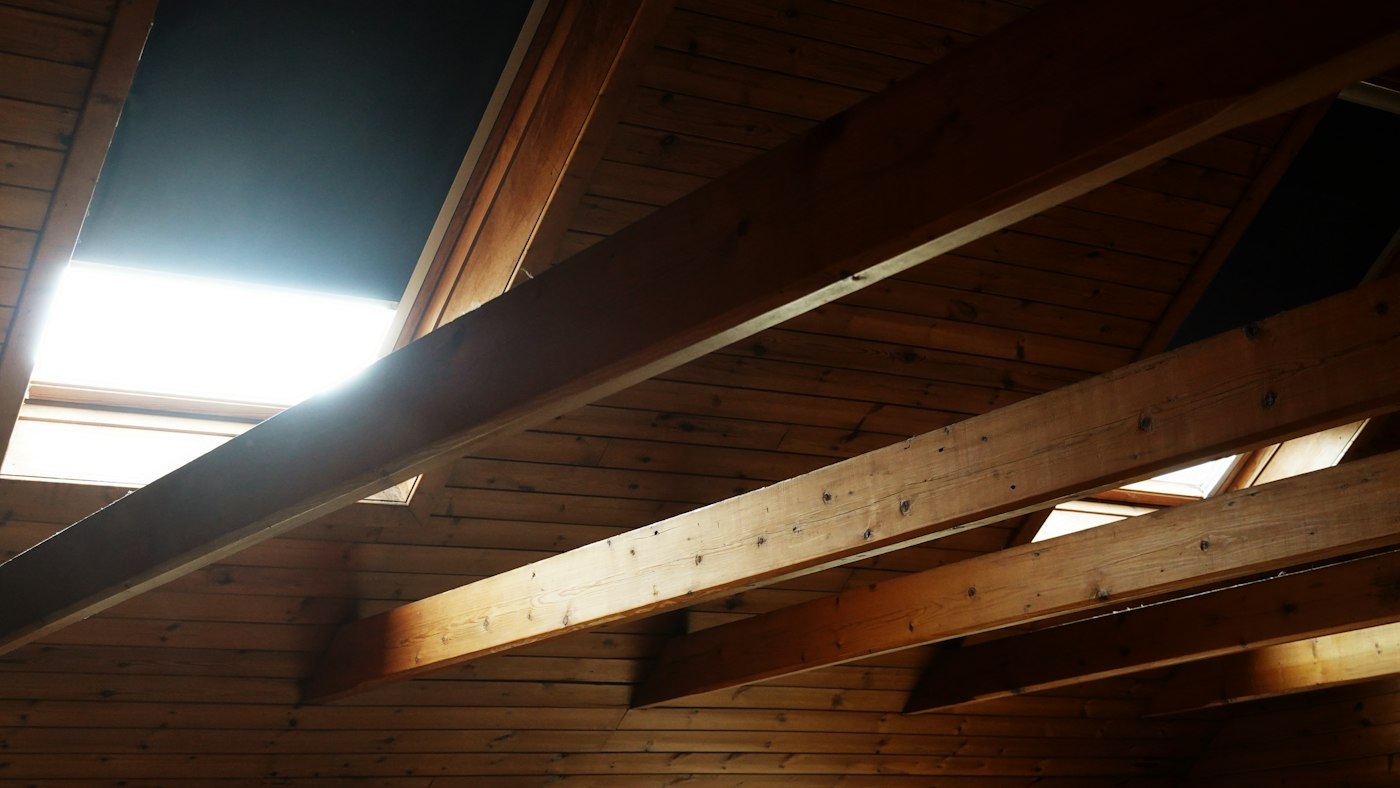
The attic is rarely part of a showing, and it is easy to see why. It is dark, dusty and, in July, often the hottest space in the house. But the attic is where you see the underside of the roof, the insulation that keeps the house comfortable and often the ductwork and equipment that cool it. A careful look, by you or your inspector, tells you a lot about how the home handles summer.
Ventilation: letting the heat out
Most attics are designed to breathe. Vents low on the roof, usually in the soffits under the eaves, let outside air in, and vents high on the roof, such as a ridge vent, gable vents or roof vents, let hot, moist air out. When that airflow works, the attic stays closer to outdoor conditions and drier year-round. When it does not, heat builds up, moisture lingers and roofing materials and anything stored up there can suffer.
Clues of poor ventilation include insulation pushed against the soffit vents, which blocks the intake, rusty nail tips poking through the roof deck, dark staining or mildew on the underside of the sheathing and an attic that feels damp. Mixing different types of exhaust vents can sometimes interfere with airflow, which is a question for a roofer or inspector.
Insulation and air leaks
Look at whether the insulation is evenly spread, dry and deep enough to cover the ceiling joists. Gaps, compressed areas and spots where insulation was moved for wiring or repairs reduce its effectiveness. Bathroom and dryer exhaust ducts should run all the way outside rather than ending in the attic, where they add moisture. Light fixtures, attic hatches and plumbing openings are common sources of air leaks from the living space.
If you see loose, pebble-like insulation that is light brown or gold, it may be vermiculite. The Environmental Protection Agency advises that some vermiculite insulation contains asbestos and recommends leaving it undisturbed and having it evaluated by a trained professional.
Roof leaks, pests and equipment
- Water stains on rafters or the roof deck, especially around chimneys, vents and valleys, can point to current or past leaks. Fresh stains feel damp; old ones are dry and dark.
- Daylight through the roof deck, other than at vents, deserves a closer look.
- Droppings, nesting material, chewed wiring or wasp nests indicate pests.
- If the air handler or ductwork sits in the attic, look for a drain pan, signs of overflow, crushed or disconnected ducts and missing duct insulation.
Staying safe up there
Attics can be dangerous, especially in summer. Go up early in the morning when it is coolest, bring a good flashlight and step only on framing or a floored area, since the ceiling below will not hold your weight. Avoid touching wiring, wear a mask and gloves around insulation and come down right away if you feel dizzy or overheated. During a purchase, let your home inspector do the crawling, and ask for photos. A licensed roofer, insulation contractor or HVAC technician can follow up on anything the inspector flags.
A few minutes in the attic, done safely, reveals how a house was built and how it has been maintained. It is the kind of information no listing photo will ever show.
An Attic Checklist for Buyers and New Owners
Whether you are reading an inspection report or taking your own look after moving in, a consistent checklist helps you notice what matters.
Roof deck and framing
- Stains, dark spots or damp areas on the underside of the roof sheathing
- Daylight showing through anywhere other than designed vents
- Sagging or cracked rafters or trusses
- Rusty nail tips, which can suggest condensation
Ventilation
- Soffit vents visible and not blocked by insulation
- Exhaust vents, such as a ridge vent or roof vents, in place and unobstructed
- Baffles or chutes near the eaves that keep insulation from blocking airflow, if present
- Any powered attic fans working, with their wiring in good condition
Insulation
- Even coverage across the attic floor, without large gaps
- Dry, uncompressed insulation
- Insulation around the attic hatch or pull-down stairs, which are common sources of air leaks
- Any material that might be vermiculite noted for professional evaluation
Ducts, vents and equipment
- Bathroom and dryer exhaust ducts connected and running to the outside
- HVAC ducts connected, insulated and not crushed
- Drain pan under any attic air handler, with no standing water or rust
- Wiring secured, with junction boxes covered
Improvements That Often Make Sense
If the attic shows room for improvement, a few projects are commonly considered by homeowners. A qualified contractor can advise on which, if any, fit your home.
- Air sealing: Sealing gaps around light fixtures, plumbing penetrations and the attic hatch can reduce the flow of air between the living space and the attic.
- Adding insulation: Topping up thin or uneven insulation can improve comfort. Air sealing is often done first, since adding insulation makes gaps harder to reach later.
- Clearing intake vents: Installing baffles at the eaves can keep insulation from blocking soffit vents.
- Rerouting exhaust ducts: Making sure bathroom and dryer exhausts terminate outdoors helps control moisture.
- Repairing ductwork: Sealing and insulating leaky ducts in a hot attic can help the cooling system deliver more of its cool air to the rooms below.
Mistakes to Avoid in the Attic
- Storing heavy items on unfloored joists. Ceiling joists are not always designed to carry storage loads, and stepping between them can damage the ceiling below.
- Covering recessed lights with insulation. Some fixtures are not rated for direct contact with insulation. Check before adding insulation around them.
- Disturbing suspect insulation. If you suspect vermiculite, leave it alone and have it evaluated.
- Ignoring signs of pests. Droppings and nesting material can mean an entry point that needs sealing. A pest professional can help.
Questions Owners Ask About Attics
How hot should an attic get in summer?
Attics in warm climates can get very hot, even with good ventilation. The concern is excessive heat combined with moisture or poor airflow. An inspector or roofer can tell you whether your attic’s ventilation looks adequate.
Is spray foam insulation in the attic a concern?
Some homes have spray foam applied to the underside of the roof deck, which changes how the attic works. Inspection can be more limited in these attics. Ask the inspector and the installer, if known, how the system was designed.


