
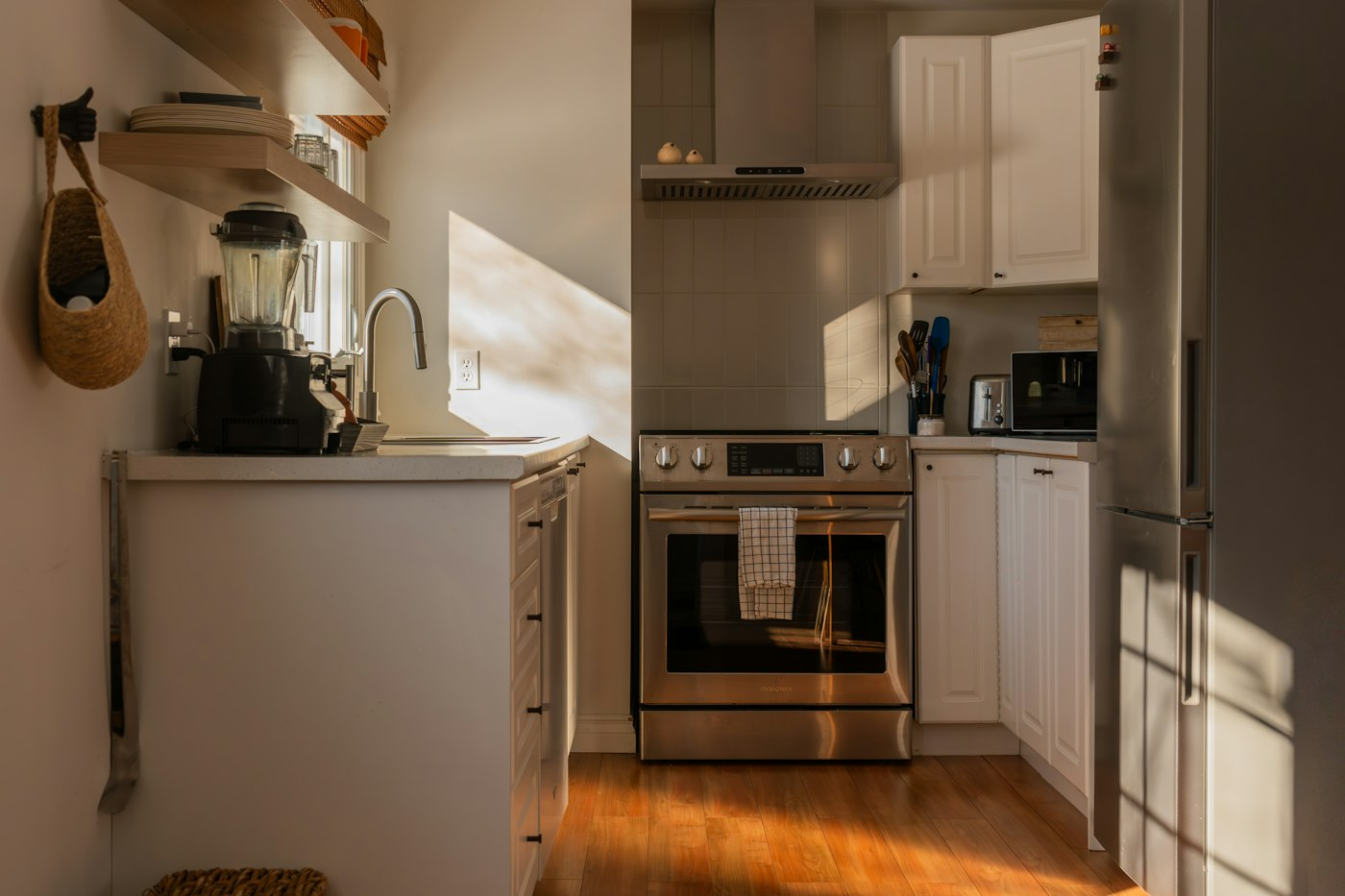
Few moments are more deflating than walking into your new home on move-in day and finding that the dining room light, the curtain rods or the washer you were counting on is gone. Most of these surprises can be avoided with a clear understanding of fixtures and personal property, and a purchase contract that spells out exactly what is included.
The general rule
In most home sales, fixtures stay with the house and personal property goes with the seller. A fixture is generally an item attached to the home in a way that makes it part of the property, such as built-in cabinets, light fixtures, ceiling fans, plumbing fixtures, a built-in dishwasher and wall-to-wall carpet. Personal property is generally movable, like furniture, rugs, artwork and freestanding items.
That is the default, but the contract controls. Buyers and sellers can agree to include or exclude almost anything, and state law and local custom can also shape how particular items are treated.
Common gray areas
Some items regularly cause confusion. These are worth naming specifically in your offer or listing:
- Refrigerators, washers, dryers and freestanding ranges
- Television wall mounts, and the televisions on them
- Window treatments, including curtains, blinds and rods
- Chandeliers or light fixtures with sentimental value
- Smart thermostats, video doorbells and security cameras
- Sheds, play structures, hot tubs and above-ground pools
- Mirrors, shelving and storage systems mounted to walls
- Plants, garden decor and potted trees
Outdoor features deserve the same attention. A mounted basketball hoop, a built-in grill or a decorative mailbox may be treated as part of the property in one sale and taken in another, so it is better to name them than to assume.
Tips for sellers
If something attached to the house is coming with you, such as a grandparent’s chandelier, the simplest approach is to replace it before listing so buyers never see it. Otherwise, make sure it is clearly excluded in the listing and the contract. If you plan to leave items like appliances or a shed, say so. When you move out, leave included items in place and in working condition, along with manuals and remotes when you have them.
Tips for buyers
When you tour, note any items you assume will stay, then ask your agent to list them in your offer. Do not rely on listing photos or a verbal comment. At the final walk-through, check that everything included in the contract is still there and working, and that nothing you expected to be removed was left behind. If something is missing, raise it with your agent before closing, while there is still time to resolve it.
Why clarity helps everyone
Disputes over fixtures can seem small, but they can sour a transaction at the very end, when everyone is tired and eager to finish. A precise contract protects both sides and keeps the final walk-through pleasant. If you have a question about how a specific item is treated where you live, ask your agent, and for legal questions, consult a real estate attorney.
Building an Inclusions List That Leaves No Doubt
The clearest contracts name items specifically. When you tour or prepare a listing, it helps to walk through the home room by room and write down anything that could be questioned later. A useful list might include:
Kitchen and laundry
- Refrigerator, including any second refrigerator in the garage
- Range, cooktop, wall oven and microwave
- Dishwasher, garbage disposal and any beverage cooler
- Washer and dryer
- Pantry shelving or organizers
Living areas and bedrooms
- Window treatments, including rods, blinds, shades and curtains, room by room
- Light fixtures and ceiling fans, noting any exclusions
- Wall-mounted shelving and television mounts
- Fireplace screens, tools and gas logs
- Closet systems
Technology and security
- Smart thermostats, doorbells, locks and cameras, along with how they will be transferred to the buyer
- Security system equipment and any monitoring contract
- Garage door openers and remotes
- Water softener, filtration systems and any leased equipment
Outdoors
- Sheds, play sets, hot tubs and pool equipment
- Outdoor lighting, landscape fixtures and irrigation controllers
- Mailboxes, flagpoles and built-in grills
Leased and Financed Equipment
Not everything attached to a house is owned by the seller. Water heaters, water softeners, propane tanks, security systems and solar panels are sometimes leased or financed. These arrangements can affect what transfers and on what terms. Sellers should disclose them early, and buyers should ask directly. Get copies of any agreements so you know what you would be taking on, and ask the provider how a transfer works.
Small Disputes and How to Head Them Off
Most fixture disagreements come from a handful of predictable situations. A little foresight prevents nearly all of them:
- A swapped fixture. A seller replaces a high-end light or faucet with a basic one before moving. If a particular fixture influenced your offer, name it specifically in the contract.
- Missing hardware. Curtain rods come down but the brackets leave holes, or a television mount is removed and the wall is left damaged. The contract and a polite conversation about patching keep expectations clear.
- Appliances in different condition. An included appliance that worked at the showing should still work at closing. Testing it at the walk-through confirms it.
- Outdoor items left behind. Old paint cans, lumber or a broken play set may be seen as a gift by one side and as trash by the other. Agree in writing on what should be removed.
The Final Walk-Through Routine
The final walk-through is your chance to confirm that the home is in the condition the contract promises. A simple routine helps:
- Bring your contract and the list of included items.
- Turn on every included appliance and run water at each faucet.
- Test light switches, ceiling fans and the garage door opener.
- Check that window treatments and fixtures named in the contract are present.
- Look for damage from the move-out, such as holes in walls or scratches on floors.
- Confirm that personal property and trash that should be gone has been removed.
- Collect keys, remotes, codes and manuals, or confirm when you will receive them.
Questions Buyers and Sellers Ask
Can the seller leave furniture I want?
Yes, if both sides agree. Personal property can be included in the sale, and your agent can advise on the best way to document it. Your lender may have guidance on how such items are handled.
What if the seller leaves things behind?
If unwanted items remain at the walk-through, raise it with your agent before closing. Leftover items are easier to resolve before keys change hands.
Are fixtures ever excluded by default?
The default generally includes fixtures, but local practice varies. When in doubt, list the item in writing.


