
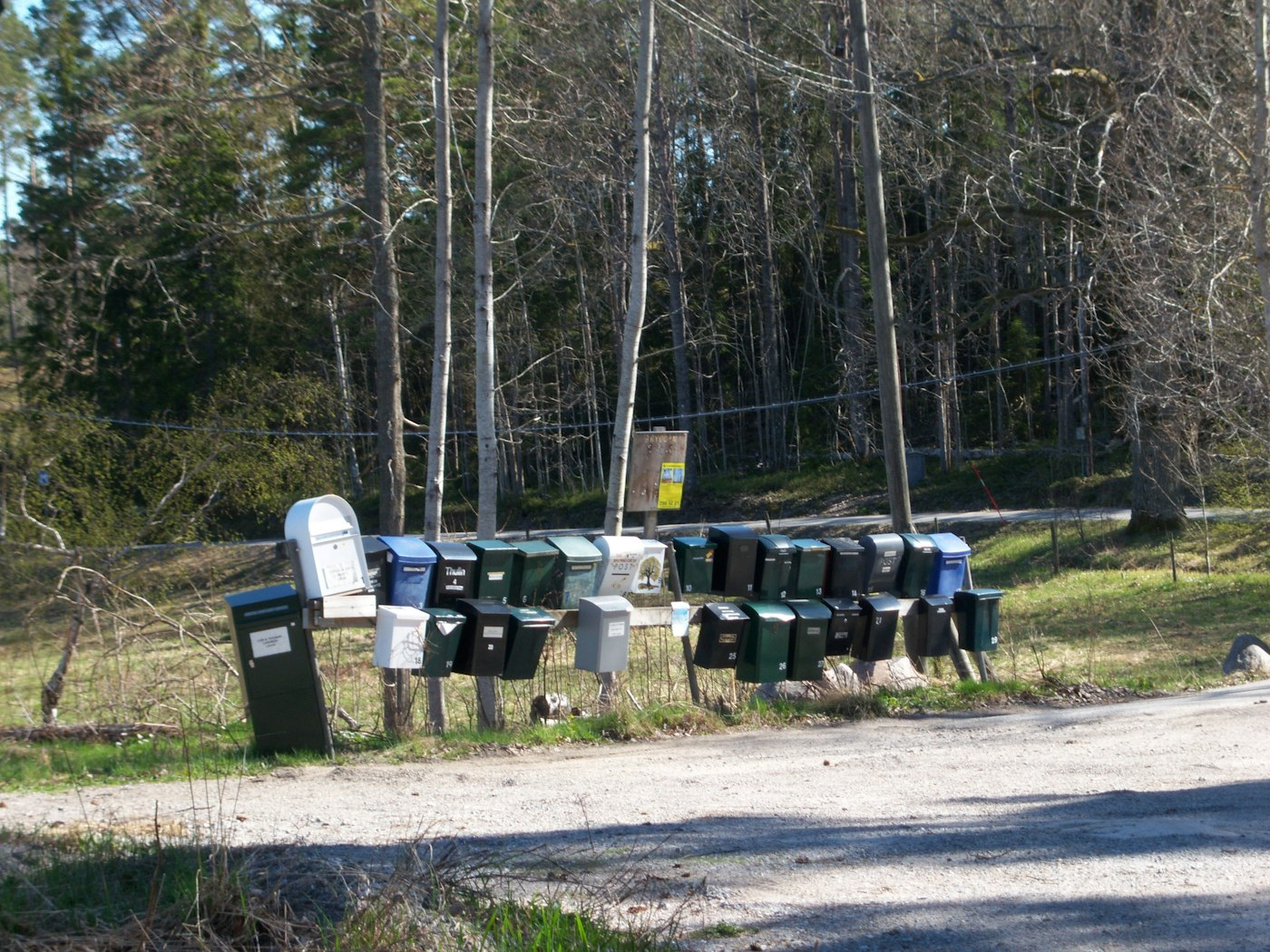
Mountain neighbors share roads and sometimes wells. That simple fact shapes life in the North Georgia mountains more than many newcomers expect. You may not see your neighbors every day, and your homes may be separated by woods or a ridge, but you are often connected by a gravel road, a shared driveway, a water system or a property line that runs through the trees. Being a good mountain neighbor comes down to a few habits: introduce yourself, respect boundaries, and pitch in on shared road maintenance. Here is what that looks like in practice and why it matters.
Introduce Yourself
In town, you may meet neighbors simply by walking to the mailbox. In the mountains, you may need to make the effort. A friendly introduction early on can make a big difference later when a tree falls across the road, a storm knocks out power or you need to coordinate a repair.
Simple ways to say hello
- Stop by with a note or small treat to introduce yourself.
- Exchange phone numbers so you can reach each other in an emergency.
- Ask about the area: the best routes in bad weather, local services and anything you should know about the road.
- Attend community events, road association meetings or local gatherings.
If you own a seasonal home, let your neighbors know when you will be away and how to reach you or your property manager. Neighbors are often the first to notice a problem.
Respect Boundaries
Property lines in the mountains are not always obvious. They may follow ridges, creeks or old fences, and markers can be hidden in the woods. Respecting boundaries starts with knowing where they are.
- Know your lines. Review your survey and, if needed, have boundaries marked before building, cutting trees or installing fences.
- Ask before you cut. Trees near a property line can belong to a neighbor. Talk with them before removing anything near the line.
- Mind views and privacy. Clearing trees can change a neighbor’s view or privacy. A conversation beforehand can prevent hard feelings.
- Keep pets under control. Dogs that roam can bother neighbors, livestock and wildlife.
- Be mindful of noise and lights. Sound carries in the hollows, and bright outdoor lighting can affect neighbors and the night sky.
- Respect posted land. If a neighbor posts their property, do not cross it without permission.
Pitch In on Shared Road Maintenance
Many mountain homes sit on private or shared roads. Unlike county roads, these are maintained by the people who use them. That can include grading, adding gravel, clearing ditches and culverts, cutting back brush, removing fallen trees and spreading sand in icy weather.
How shared roads usually work
Some roads have a formal road maintenance agreement or road association with regular dues and a process for making decisions. Others rely on informal cooperation among neighbors. Either way, the road stays in good shape only when everyone contributes.
Ways to be a good road partner
- Pay any dues or shared costs promptly.
- Show up for work days or offer to help coordinate repairs.
- Drive at safe speeds to reduce wear and dust.
- Be thoughtful with heavy vehicles, such as delivery trucks or construction equipment, which can damage gravel roads.
- Report problems like washouts or downed trees quickly.
- If you have equipment, such as a tractor or chainsaw, consider offering to help.
Sharing a Well or Water System
Some mountain properties share a well or spring with one or more neighbors. These arrangements work best when expectations are clear:
- Know whether there is a written agreement and what it says about costs, maintenance and use.
- Communicate about repairs, testing and any changes in water use.
- Share the cost of maintenance and testing fairly.
- Be mindful of water use during dry periods.
If you are buying a home with a shared well, ask for any agreements and have them reviewed by a real estate attorney.
Small gestures that build goodwill
Some of the best mountain neighbor habits are small. Pull over to let a neighbor pass on a narrow stretch of road. Pick up a package that was left at the wrong driveway and walk it over. Offer to keep an eye on a neighbor’s place while they travel, and let them know if you spot a downed limb or an open gate. After a storm, a quick text asking whether everyone has power and a clear road can mean a lot, especially to someone who lives alone or is away for the season. None of these take much time, but together they create the kind of trust that makes a shared road feel like a real neighborhood.
Handling Disagreements
Even good neighbors disagree sometimes. When issues come up, start with a calm, friendly conversation. Most problems can be solved by talking directly and listening to each other’s concerns. If a disagreement involves boundaries, easements or written agreements, it may help to bring in a surveyor or attorney for objective guidance. Keep records of agreements and communications, and try to focus on solutions rather than blame.
What to Know Before You Buy
When you are considering a mountain property, ask:
- Is the road public or private, and who maintains it?
- Is there a road maintenance agreement or association, and what does it cost?
- Does the property share a well, spring or driveway with neighbors?
- Are there any easements or rights of way crossing the property?
- Have there been any disputes over boundaries, access or shared costs?
Next steps
- Review your survey, deed and any shared agreements.
- Introduce yourself to your neighbors and exchange contact information.
- Find out how your road is maintained and how you can help.
- Ask Sherry about shared road and well arrangements on any home you are considering.
Good neighbors make mountain living safer, easier and far more enjoyable. A friendly hello and a willingness to pitch in go a long way.


