
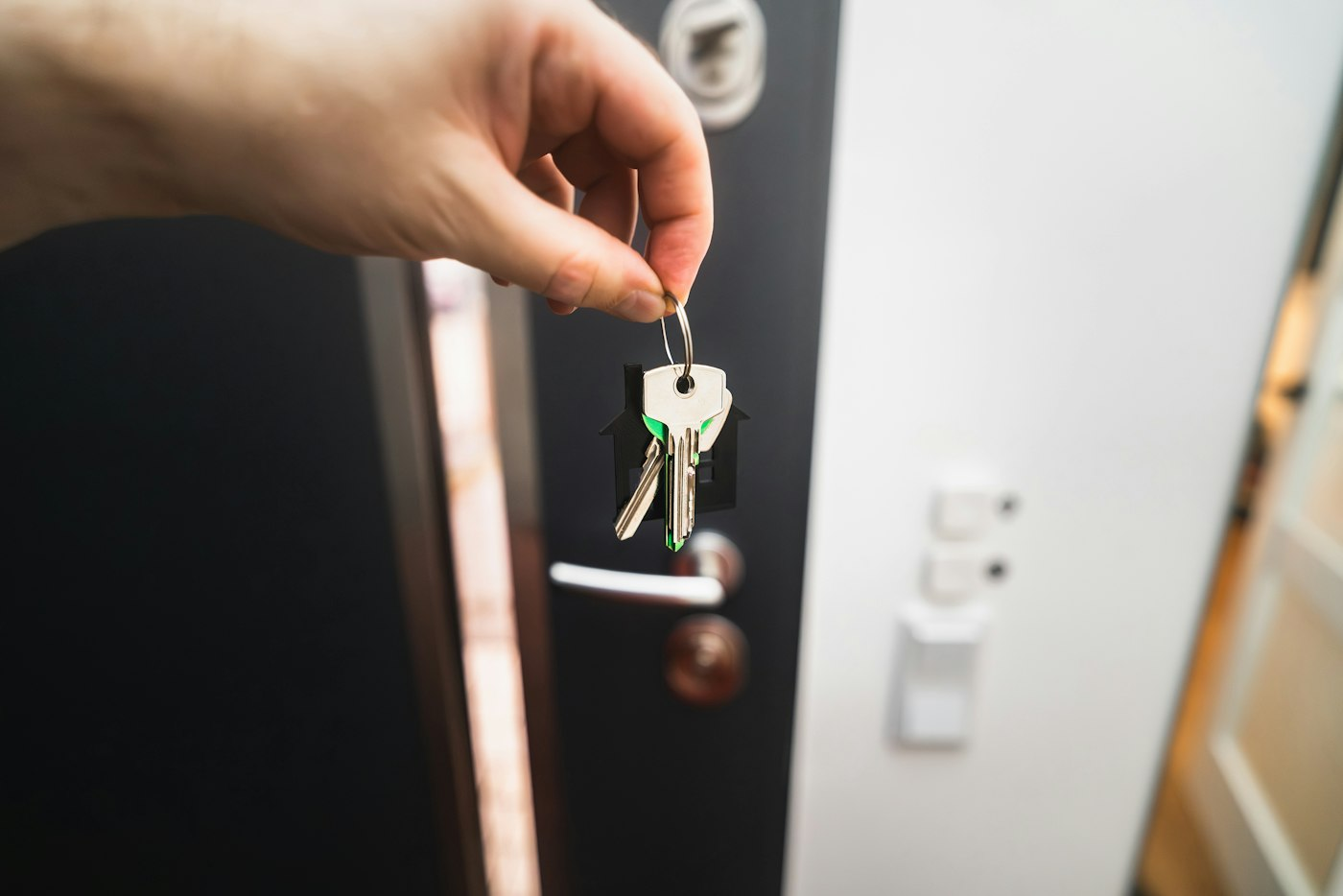
After weeks of inspections, paperwork and waiting, closing day is when everything comes together. It can feel like a lot, but knowing what to expect makes it far less stressful. For most buyers, it is mostly a day of reading, signing and, finally, receiving keys.
Who is involved
Depending on where you live, closing may be handled by a title company, an escrow company or a real estate attorney. The person running the closing, sometimes called a settlement agent or closing agent, coordinates the documents, collects and distributes funds and makes sure everything is recorded properly. Your agent may attend, and the seller may sign at the same time or separately. In some areas, closings are done in stages rather than at a single table.
Before you arrive
For most mortgages, you should receive your Closing Disclosure at least three business days before closing. Review it carefully and compare it with your Loan Estimate. Ask your lender about anything that looks different.
You will also need to arrange the funds due at closing. These are commonly sent by wire transfer or cashier’s check, depending on the closing agent’s instructions. Wire fraud is a real risk in real estate, so always confirm wiring instructions by calling a verified phone number. Never rely on instructions sent only by email.
What to bring
- A valid government-issued photo ID, and sometimes a second form of ID.
- Confirmation of your funds transfer or your cashier’s check.
- Your copy of the Closing Disclosure for reference.
- Any documents your lender or closing agent specifically requested.
- A pen, patience and a few questions written down.
What you will sign
Expect a stack of documents. Common ones include the promissory note, which is your promise to repay the loan, and the mortgage or deed of trust, which secures the loan with the property. You may also sign the final Closing Disclosure, various affidavits and disclosures, and documents related to your escrow account. The seller signs the deed transferring ownership.
Take your time. You are entitled to read what you sign and to ask questions. The closing agent can explain what each document is, though they cannot give legal advice. If you want legal guidance, arrange for an attorney ahead of time.
After the signatures
Once documents are signed and funds are confirmed, the closing agent arranges for the deed and mortgage to be recorded with the local government office. When you get the keys depends on your contract and local practice. Sometimes it is the same day; sometimes it waits until the loan funds or the deed records.
Keep a complete copy of your closing documents in a safe place. You may need them for taxes, refinancing or a future sale. Then change the locks, set up utilities in your name and enjoy your new home. If you are planning a purchase, reach out through our contact page.
How Closing Usually Works in Georgia
In Georgia, residential closings are typically conducted by a closing attorney. Buyers and sellers often sign at the attorney’s office, sometimes together and sometimes at separate times. The attorney’s office handles the title search, prepares the documents, collects and disburses funds, and arranges for recording with the county.
One document you may hear about is the security deed. In Georgia, the instrument that secures your loan is commonly called a deed to secure debt, or security deed, rather than a mortgage or deed of trust. It serves the same basic purpose: it gives the lender a security interest in the property until the loan is repaid. The closing attorney can explain how it works.
Putting It Into Practice: Your Closing Week Timeline
The final days before closing can feel busy. A clear timeline helps you stay calm and prepared.
About a week before closing
- Confirm the date, time, and location of closing with us and the closing attorney’s office.
- Schedule utilities to transfer into your name on closing day.
- Confirm your homeowners insurance is in place and that your lender has proof of coverage.
- Ask how funds should be delivered and when.
Three or more days before closing
- Review your Closing Disclosure line by line, comparing it to your Loan Estimate.
- Call your lender with any questions about changes.
- Verify wiring instructions by phone using a number you know is correct, not one from an email.
The day before or the morning of closing
- Complete your final walk-through.
- Send or prepare your closing funds according to the verified instructions.
- Gather your ID and any documents requested.
Common Closing Day Mistakes
- Making financial changes at the last minute. Lenders may verify credit and employment right before closing. Avoid new credit, large purchases, or job changes.
- Bringing the wrong type of funds. Personal checks are often not accepted for large amounts. Follow the closing attorney’s instructions exactly.
- Rushing through documents. It is normal to ask questions. Take time to understand what you are signing.
- Forgetting name consistency. Your name should match across your ID, loan documents, and the deed. If anything differs, let the attorney’s office know ahead of time.
- Losing track of keys and codes. Make sure you receive all keys, garage remotes, mailbox keys, and alarm or gate codes.
Your First Week as a Homeowner
Once the documents are signed and you have your keys, a few simple tasks help you settle in safely.
- Change or rekey the exterior locks.
- Test smoke and carbon monoxide detectors, and replace batteries.
- Locate the water shutoff, electrical panel, and HVAC filter.
- Look into whether you qualify for a homestead exemption with your county tax office, and note the filing deadline.
- Store your closing documents somewhere safe, along with a digital copy.
Questions Readers Ask
How long does closing take?
It varies, but many closings take about an hour or so. The time depends on the number of documents and how many questions come up.
Can I close without being there in person?
In some situations, arrangements such as a power of attorney or signing at another location may be possible. Ask the closing attorney’s office well in advance.
When will I get my recorded deed?
Recording can take some time after closing. The attorney’s office or county records office can tell you when to expect it.
Should I keep my closing documents?
Yes. Keep the full set in a safe place along with a digital copy. You may need them for taxes, insurance, refinancing, or a future sale. For tax questions, a CPA can tell you which documents matter most.


