
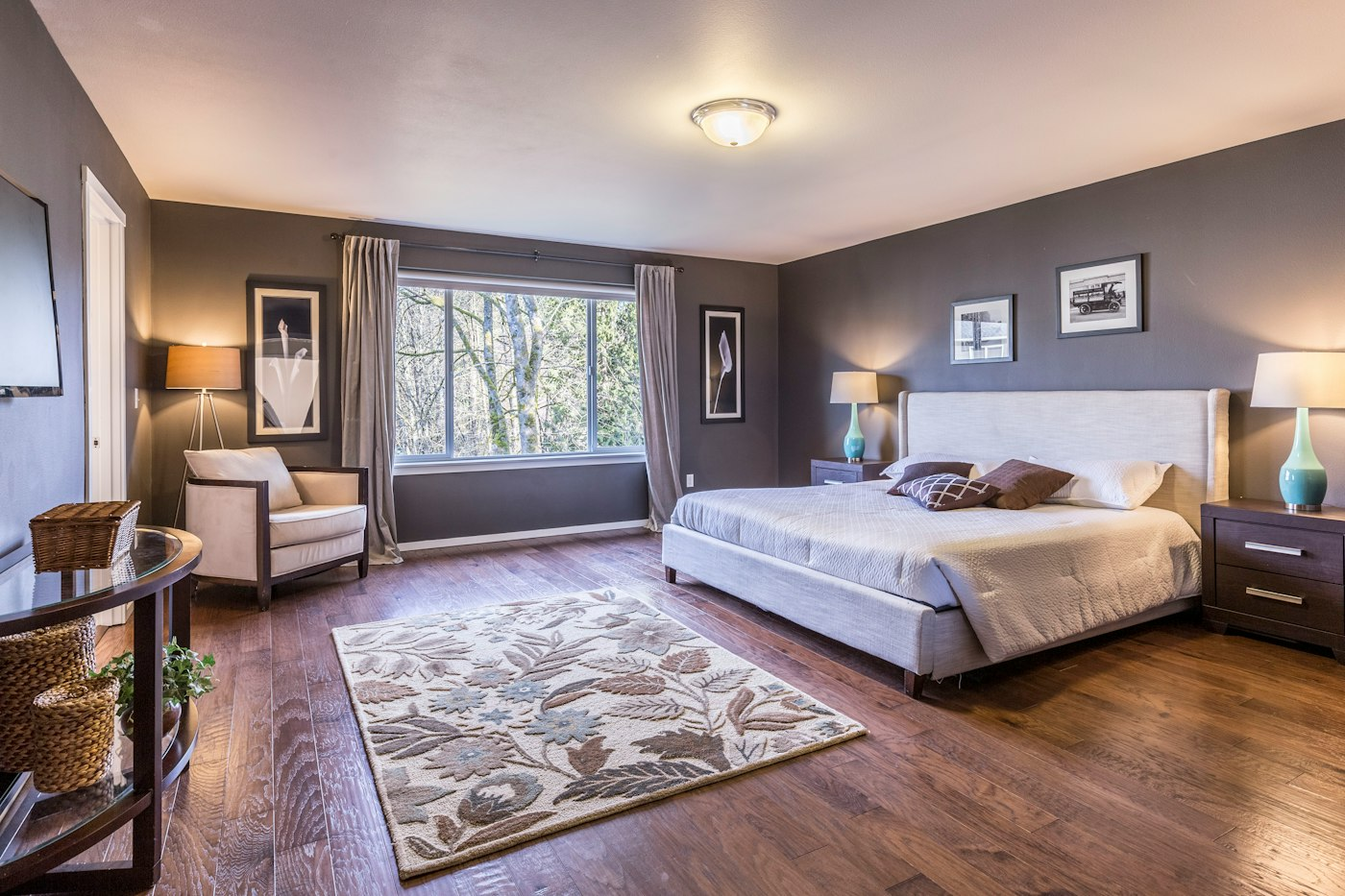
When you search for homes, bedroom and bathroom counts are often the first filters you set. They seem simple, but they are not always consistent. A room advertised as a bedroom might lack a window you could climb out of, and “two and a half baths” can mean different things in different homes. Knowing how these counts are usually determined helps you read listings with a sharper eye.
What generally makes a room a bedroom
There is no single national definition. Local building codes, appraisal practices and local listing rules all play a part. Still, a few features come up again and again:
- A way out in an emergency. Building codes commonly require sleeping rooms to have an emergency escape opening, usually a window large enough and low enough to climb through, or a door to the outside.
- Adequate size and ceiling height, as set by local code.
- Access that does not require passing through another bedroom, in many interpretations.
- Heat, light and ventilation appropriate for a living space.
Despite popular belief, many codes do not require a closet for a room to count as a bedroom, though local custom and some appraisers expect one. Because rules vary, check with your local building department if the distinction matters to your plans.
Basements, attics and bonus rooms
Rooms in finished basements and attics are where bedroom counts most often get murky. A basement room without a proper escape window may be marketed as a “bonus room” or “den” rather than a bedroom, and an appraiser may not count it as one. Spaces added without permits raise further questions. If a listing’s bedroom count is higher than public records show, ask your agent to find out why.
How bathrooms are counted
Bathroom counts usually follow a fixture-based shorthand, though terms vary by region:
- Full bath: a toilet, a sink, and a bathtub or tub-shower combination. Some listings also count a bath with only a shower as full.
- Three-quarter bath: a toilet, a sink and a shower without a tub.
- Half bath: a toilet and a sink, often near the main living area for guests.
So a home listed with “two and a half baths” likely has two full or three-quarter baths and one half bath. If a bathtub matters to you, check the photos or ask, since a “full” bath might have only a shower.
Why the counts matter, and their limits
Bedroom and bath counts affect how a home is searched, priced and appraised. A home described generously may disappoint at the showing or face questions during the appraisal. A home described conservatively, perhaps with an office that could serve as a bedroom, may be a pleasant surprise.
Use the counts to narrow your search, but evaluate the rooms themselves. Measure, look at windows, check closets and think about how you would use each space. A room’s usefulness to you matters more than its label in a listing.
Checking a Bedroom Yourself During a Showing
You do not need a tape measure for every visit, but a quick routine in each room advertised as a bedroom helps you judge whether it will work for your household.
- Look at the window. Does it open fully? Could an adult climb out of it? Is the sill reachable without furniture to stand on? In a basement, is there a proper window well that allows escape?
- Check the doors. Can you reach the room from a hallway or common area, or only through another bedroom or a bathroom?
- Notice the ceiling. Low or sloped ceilings in attics and basements can limit how much of the room is usable for a bed, a dresser or standing.
- Feel the temperature. Is there a supply vent or other heat source? Rooms over garages and in finished attics are sometimes noticeably warmer or colder than the rest of the house.
- Count the outlets. A sleeping room or home office needs places to plug in lamps, chargers and electronics.
- Measure the bed wall. Make sure the bed size you own or want will fit with room to walk around it.
When a Room Is Labeled Something Else
Listings sometimes use other terms for rooms that are not counted as bedrooms. Each can be useful, but it helps to know what the label may mean:
- Bonus room: often a space over a garage or in a finished attic. It may lack a closet or a compliant escape window.
- Den or study: sometimes a room off the main living area without a closet, or with a cased opening instead of a door.
- Flex space: a general term for a room that could serve many purposes, sometimes an open loft.
- In-law suite or guest quarters: a separate area that may include a bedroom, bathroom and sometimes a kitchenette. Local zoning may limit how such space can be used or rented, so ask before making plans.
Square Footage Has Similar Wrinkles
Room counts are not the only figures that vary. Total square footage can also be measured differently from one source to another. Finished basements, unheated porches, garages and spaces with low ceilings may or may not be included, depending on who measured and how. Public records, the listing and an appraisal can report different numbers for the same house. If square footage matters to your decision, ask where the figure came from and what areas it includes.
Mistakes Buyers Make With Room Counts
- Filtering too narrowly. A home listed with one fewer bedroom may have a den that suits your needs perfectly. Try widening your search slightly.
- Assuming every bathroom has a tub. If you need a bathtub for young children or personal preference, confirm it.
- Paying a premium for a room that may not count. If you are relying on a basement bedroom to justify the price, check how the appraisal is likely to treat it.
- Forgetting future plans. If you hope to add a bedroom later, ask what local code would require.
Questions Buyers Ask
Why does the county record show fewer bedrooms than the listing?
Public records may be outdated, or a room may have been added or converted later. It could also reflect unpermitted work. Ask your agent to look into the difference.
Can I turn an office into a legal bedroom?
Often, if the room can meet local requirements for egress, size and other features. Your local building department can explain what would be needed.
Do sellers have to disclose that a room is not a legal bedroom?
Disclosure rules vary by state. Your agent can explain local practice, and a real estate attorney can answer specific legal questions.


