
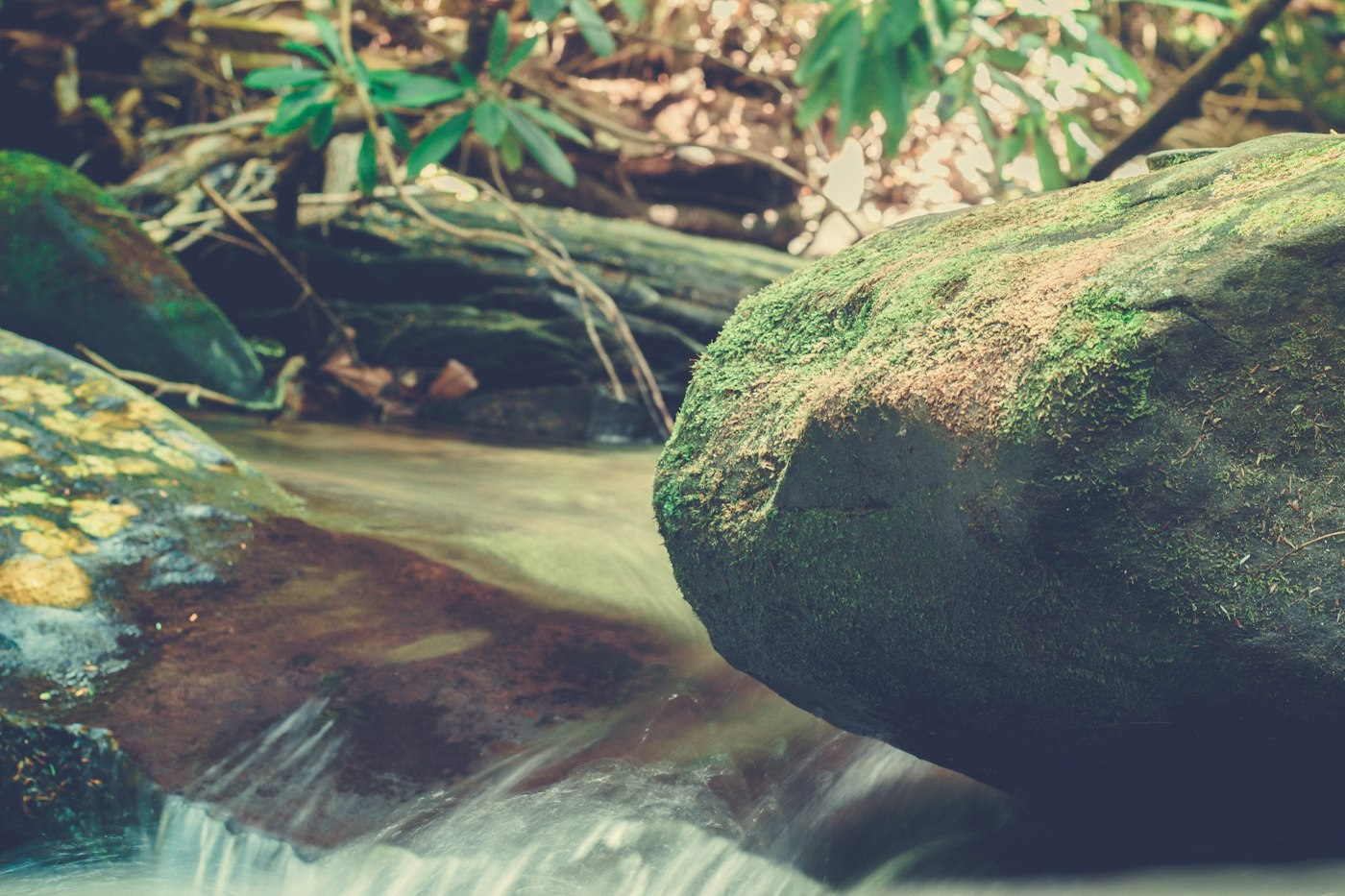
Spring-fed properties are prized in the North Georgia mountains. There is something special about a home where clear water rises from the hillside, feeds a creek or pond, or even supplies the house itself. Buyers often fall in love with the idea before they understand the details. Our advice is simple: understand the source, the flow and any shared rights before buying. A spring can be a wonderful asset, but only when you know exactly what you are getting and what obligations come with it.
Why Springs Are So Appealing
In the mountains, springs are part of the landscape. Water moves through rock and soil and emerges on slopes and in hollows, creating small streams, wet meadows and ponds. For property owners, a spring can mean:
- A natural water feature that adds beauty and character.
- Water for gardens, livestock or wildlife.
- In some cases, a household water source, either on its own or alongside a well.
- A sense of history; many older mountain homesteads were sited near springs for that reason.
Because of that appeal, spring-fed properties often draw strong interest. That makes careful due diligence even more important.
Understand the Source
The first question is where the spring actually is. Is it on the property you are buying, on a neighbor’s land, or on a boundary? A spring that rises on someone else’s property and flows onto yours is a very different situation from one that rises entirely within your boundaries.
Questions to ask
- Where exactly is the spring located, and is it shown on a survey?
- Is it a developed spring with a spring box or collection system, or is it natural?
- If the spring supplies the house, how is water collected, stored and delivered?
- Are there pipes, lines or tanks that cross other properties?
- Has the water been tested, and when?
Walk the property with the seller or your agent to see the spring yourself, and ask a surveyor to confirm its location relative to the boundaries if there is any doubt.
Understand the Flow
Springs are not all alike. Some flow strongly year-round, while others slow down dramatically in dry summers or droughts. A spring that looks impressive in a wet spring may be a trickle in late summer or fall.
- Ask the seller how the spring behaves through the seasons and in dry years.
- If the spring supplies household water, consider having a qualified professional evaluate its flow and reliability.
- Ask whether the home has a backup water source, such as a well or storage tank.
- Look for signs of past problems, such as storage tanks, filtration systems or notes about low water.
Water Quality and Safety
Surface and spring water can be affected by runoff, animals and nearby activities. If a spring is used for drinking water, testing is essential. A certified lab can test for bacteria and other contaminants. Your county extension office or health department can often explain local testing options.
If the water is used in the home, ask about filtration and treatment systems, when they were last serviced, and what maintenance they need. Spring boxes and collection systems should be properly sealed and protected. Treatment and testing are ongoing responsibilities, not one-time tasks.
Understand Any Shared Rights
This is where spring-fed properties can get complicated. In rural areas, it is not uncommon for a spring to serve more than one property, or for one owner to have the right to take water from a spring on someone else’s land. These arrangements may be documented in deeds, easements or written agreements, or they may be long-standing informal understandings between neighbors.
What to look for
- Recorded easements or agreements that grant water rights to or from the property.
- Rights of access to maintain pipes, spring boxes or tanks on another property.
- Any informal arrangements that the seller or neighbors describe.
- Responsibility for maintenance and repairs of shared systems.
- Any restrictions on how the water can be used.
Informal arrangements can be fragile when properties change hands. If the property depends on a spring that crosses boundaries or is shared, ask your attorney whether the rights should be documented in writing. A title search and a review by a real estate attorney can help identify recorded rights and obligations. Laws about water use and rights can be complex, so consult an attorney for advice specific to the property.
Common Mistakes Buyers Make
- Assuming a spring belongs to the property without confirming its location.
- Relying on a spring for household water without testing it.
- Judging flow based on one visit in a wet season.
- Overlooking pipes or tanks that sit on a neighbor’s land.
- Accepting a verbal water-sharing arrangement without understanding how it would hold up after a sale.
- Forgetting that spring systems need maintenance, just like wells and septic systems.
Your Spring-Fed Property Checklist
- Confirm where the spring is and whether it lies within the property boundaries.
- Learn how the spring flows through the seasons, and whether there is a backup water source.
- Test the water if it will be used for drinking or household purposes.
- Review the title, deed and any easements for recorded water rights.
- Ask about informal arrangements with neighbors and how they work.
- Have an attorney review anything that is unclear.
A well-understood spring can be one of the best features a mountain property has to offer. Sherry can help you ask the right questions and connect you with surveyors, attorneys and water professionals who know the area, so you can enjoy that water with confidence.


