
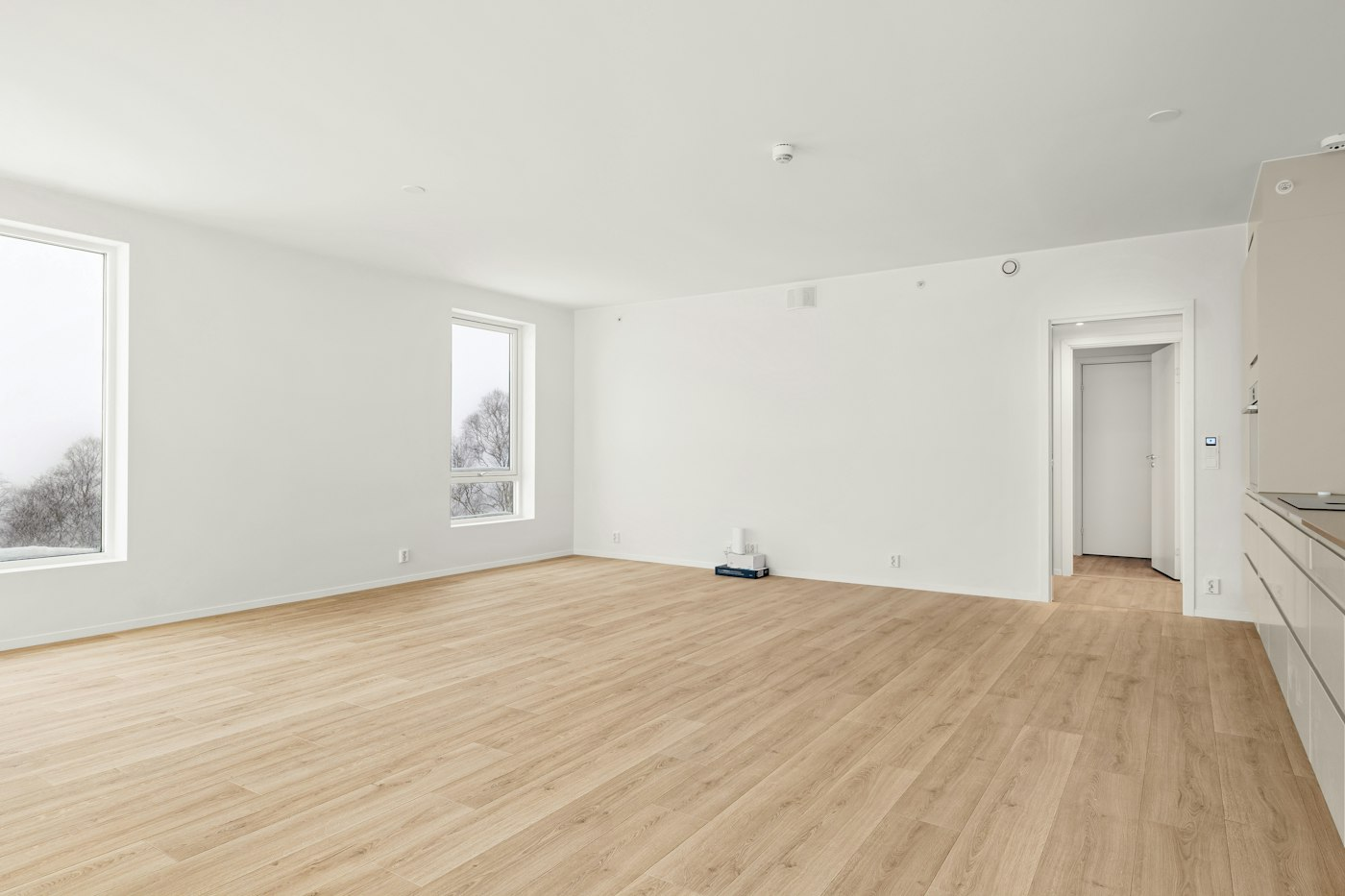
A listing says a home has a certain number of square feet. The tax record says something different. The appraisal, when it arrives, lands on a third figure. Buyers find this maddening, and it often leads them to worry that someone is being misleading. Usually no one is. Square footage is a measurement with rules that differ by who is measuring and why.
Where the numbers come from
- Public records. The assessor’s figure may be decades old, may come from the original building permit, and may not reflect additions or finished spaces completed since.
- Builder plans. These sometimes include areas that other sources exclude, and the finished house may differ from the drawings.
- Prior listings. An agent may have carried forward an earlier number without re-measuring.
- Appraisals. Appraisers measure the home themselves according to a standard, which is why their figures often differ from the listing.
- Floor plan services. Measured drawings produced for marketing can be quite accurate but may define included space differently.
What usually counts
Most professionals report finished, heated living area that is above ground, measured from the exterior walls. That means some spaces are typically excluded or reported separately:
- Garages, porches, decks and unfinished basements and attics.
- Finished basement space, which is often listed as a separate below-grade figure even when it is heated and finished.
- Areas with low ceilings, such as parts of a finished attic under a sloped roof.
- Detached structures, such as a guest house or workshop.
A widely used standard published by the American National Standards Institute spells out these rules for single-family homes, and many appraisers follow it. Local custom still varies, and condominium measurements can follow different conventions, sometimes using interior dimensions.
Why it matters when comparing homes
Price per square foot is a popular shortcut, and it can mislead. A home whose listed figure includes a finished basement will look cheaper per foot than one whose figure counts only the upper floors, even if they are nearly identical. Two homes with the same square footage can feel very different depending on ceiling height, layout and how much space is given to hallways. Use the number as one input, not as a verdict.
How to verify
- Ask the listing agent where the figure came from. A good listing states its source.
- Request a floor plan if one exists, and compare it with what you see during a showing.
- Measure the rooms that matter to you with a tape or a phone app, especially if a specific piece of furniture needs to fit.
- Remember that the appraisal ordered by your lender will include a measured figure, and it may differ from the listing without anyone having erred.
The practical takeaway
Treat square footage as approximate unless it comes from a recent measurement with a stated standard. Focus on whether the rooms work for how you live, and let your inspector and appraiser confirm the details. If a discrepancy is large enough to affect your decision, raise it with your agent before your contingency deadlines pass, so you can decide with the facts in hand.
A Worked Example
Consider two homes in the same area, both listed at the same price. The figures are illustrative only.
- Home A is listed at 2,400 square feet, which includes a 900-square-foot finished basement. Its above-grade living area is 1,500 square feet.
- Home B is listed at 1,900 square feet, all above grade, with an unfinished basement that is not counted.
On a price-per-square-foot basis, Home A looks like the better value. But Home B actually has more above-grade living space. An appraiser would likely treat the two very differently, since finished below-grade space is often valued separately from above-grade space. Depending on what you need, either home could be the right fit, but the listing numbers alone would not tell you that.
A Buyer’s Step-by-Step Approach
- Note the stated square footage and its source. If the listing does not say where the figure came from, ask.
- Separate above-grade and below-grade space. Ask how much of the total is in a basement or lower level.
- Compare with public records. Look up the county assessor’s figure and note any large difference.
- Measure what matters. Bring a tape measure to key rooms, such as the primary bedroom, the living room and the garage.
- Review the appraisal when it arrives. Look at the appraiser’s measured figure and sketch.
- Ask about additions. If part of the home was added later, ask whether permits were obtained, since that can affect how it is counted and valued.
For Sellers: Reporting Square Footage Carefully
Sellers can help avoid confusion by being clear about how their figure was determined.
- Share the source of the number, whether it comes from public records, a prior appraisal or a recent measurement.
- Report finished basement space separately when possible.
- Consider having the home measured, especially if it has additions or the public record figure seems off.
- Avoid estimating. A clear, sourced figure builds trust with buyers.
Common Mistakes With Square Footage
- Relying on price per square foot alone. It ignores layout, condition, lot, location and how the space was counted.
- Assuming all space is equal. Above-grade living space, finished basements, bonus rooms and enclosed porches are often valued differently.
- Ignoring the layout. A well-designed smaller home can feel more spacious than a larger one with awkward rooms.
- Waiting too long to raise questions. If the size matters to your decision, raise concerns during your due diligence period.
Square Footage on North Georgia Homes
Many homes in Cartersville, Bartow County and the surrounding communities are built on sloped lots with walk-out or daylight basements. These lower levels can have full-size windows, a door to the yard and finished rooms that feel just like the main floor. Even so, they are typically counted as below-grade space. Buyers comparing a walk-out basement home with a two-story home of similar total size should look at how each figure was built. Bonus rooms over garages, enclosed porches and finished attics raise similar questions.
Square Footage Questions
Is a bonus room over the garage counted?
It often is if it is finished, heated and accessible from the main house, but practices vary. Ask how it was treated in the listing.
Can I negotiate if the square footage is smaller than listed?
It may be a factor in negotiations, especially if it affects the appraisal. Your agent can help you decide how to approach it, and an attorney can advise on contract questions.


