
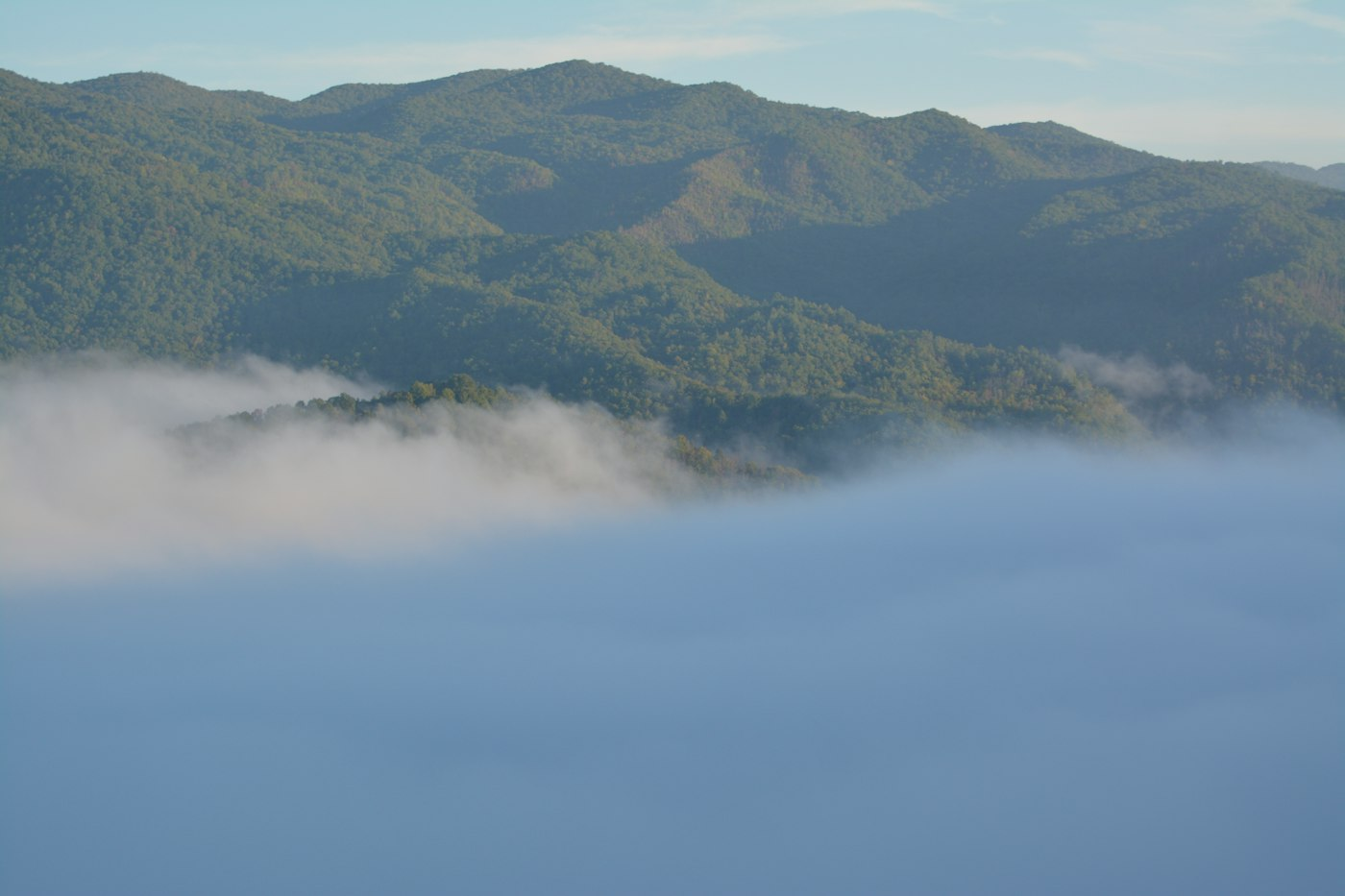
A thousand feet of elevation can mean several degrees and a different winter. In the North Georgia mountains, two homes only a few miles apart can live in very different climates. One may see frost weeks earlier, hold snow and ice on its driveway for days, and catch a steady wind across the ridge. Another, tucked lower in a sheltered valley, may stay milder but sit in morning fog and lose its sun early in the afternoon. That is why we always tell buyers the same thing: ask about the property’s elevation and exposure. Those two details shape everything from your heating bills to your garden to how easily you get to town on a January morning.
What a Microclimate Is
A microclimate is the local climate of a small area that differs from the general weather of the region around it. In flat country, the weather across a county may be fairly uniform. In the mountains, terrain creates dozens of small climates within a short drive. The forecast for Blue Ridge, Ellijay or Jasper tells you what to expect in town, but your property’s own conditions depend on where it sits on the land.
The biggest factors are elevation, the direction a slope faces, how open or sheltered the site is, and how cold air and water move across the terrain. Understanding these helps you choose a home that fits how you want to live and helps you avoid surprises after you move in.
Elevation: The Biggest Factor
As a general rule, air cools as you climb. A rule of thumb often cited is roughly three to five degrees Fahrenheit for every thousand feet, depending on conditions. That may not sound like much, but it can be the difference between a cold rain in town and freezing rain or snow on the ridge.
What higher elevation can mean
- Cooler summers, which many buyers love.
- Earlier fall color and later spring green-up.
- More frequent frost, ice and snow in winter.
- Higher wind exposure on open ridges.
- Potentially longer and more dramatic views.
What lower elevation can mean
- Milder winters and a longer growing season in many cases.
- Easier road access when weather turns.
- More humidity and, in some valleys, more morning fog.
- Views that may be more limited or seasonal.
Exposure: Which Way the Land Faces
Exposure describes the direction a slope or home faces and how much sun and wind it receives. In our part of the world, a south-facing slope generally gets more direct winter sun. Snow and ice tend to melt faster, homes may stay warmer, and gardens may thrive. North-facing slopes stay cooler and shadier, which can feel wonderful in July but means icy spots can linger on driveways and decks in winter.
East-facing homes catch the morning sun and often lose it earlier in the afternoon. West-facing homes get the strong afternoon sun, which can bring beautiful sunsets but also more heat in summer. None of these is right or wrong. The point is to know what you are buying so the home matches your expectations.
Cold Air, Fog and Wind
Cold air is heavier than warm air, and on calm nights it flows downhill and settles in hollows and valley floors. That means some low spots can actually be colder on a clear winter morning than slopes a little higher up. These areas may also collect fog, which can make early drives slow.
Ridgetops, on the other hand, tend to be windier. Wind can increase heating costs, stress trees and add wear to roofs and decks. A home just below the crest of a ridge, with some natural shelter, may offer a balance of views and protection.
Why It Matters When You Buy
Microclimate affects more than comfort. It can influence:
- Winter access. A steep, north-facing driveway at higher elevation may need more planning in ice season. Ask how the road is maintained and how neighbors handle bad-weather days.
- Heating and cooling costs. Cooler, windier sites generally use more heat. Ask for utility history over a full year.
- Maintenance. Shady, damp sites may see more moss, mildew and moisture issues on decks and siding. Sunny, exposed sites may see more weathering.
- Gardening and landscaping. Sun, frost dates and soil moisture all vary with site.
- Rental appeal. If you plan to rent, guests may love cool summer temperatures and views but may be uneasy about icy roads.
- Pipes and plumbing. Colder sites call for more attention to insulation and freeze protection.
Questions to Ask About Any Property
- What is the elevation of the home and of the road leading to it?
- Which direction does the house face, and which direction does the driveway face?
- How much winter sun does the home and driveway receive?
- How do the owners or neighbors handle ice and snow days?
- Who maintains the road, and is it paved or gravel?
- What have the heating and electric bills looked like over the past year?
- Has the home ever had frozen pipes or moisture issues?
We also recommend visiting a property at different times of day if you can. A morning visit shows you where the sun reaches first and where frost lingers. An afternoon visit shows you how the home feels as the light changes.
Your Next Step
Microclimates are part of the charm of mountain living. They are why one ridge glows with color a week before the valley and why a sheltered cove can feel like its own world. With the right questions, you can choose a setting that fits the way you want to live year-round.
- Make a short list of what you value most: cooler summers, easy winter access, sun, views or shelter.
- Ask about the elevation and exposure of every property on your list.
- Talk with Sherry about which areas of Gilmer, Fannin and Pickens counties match those priorities.


