
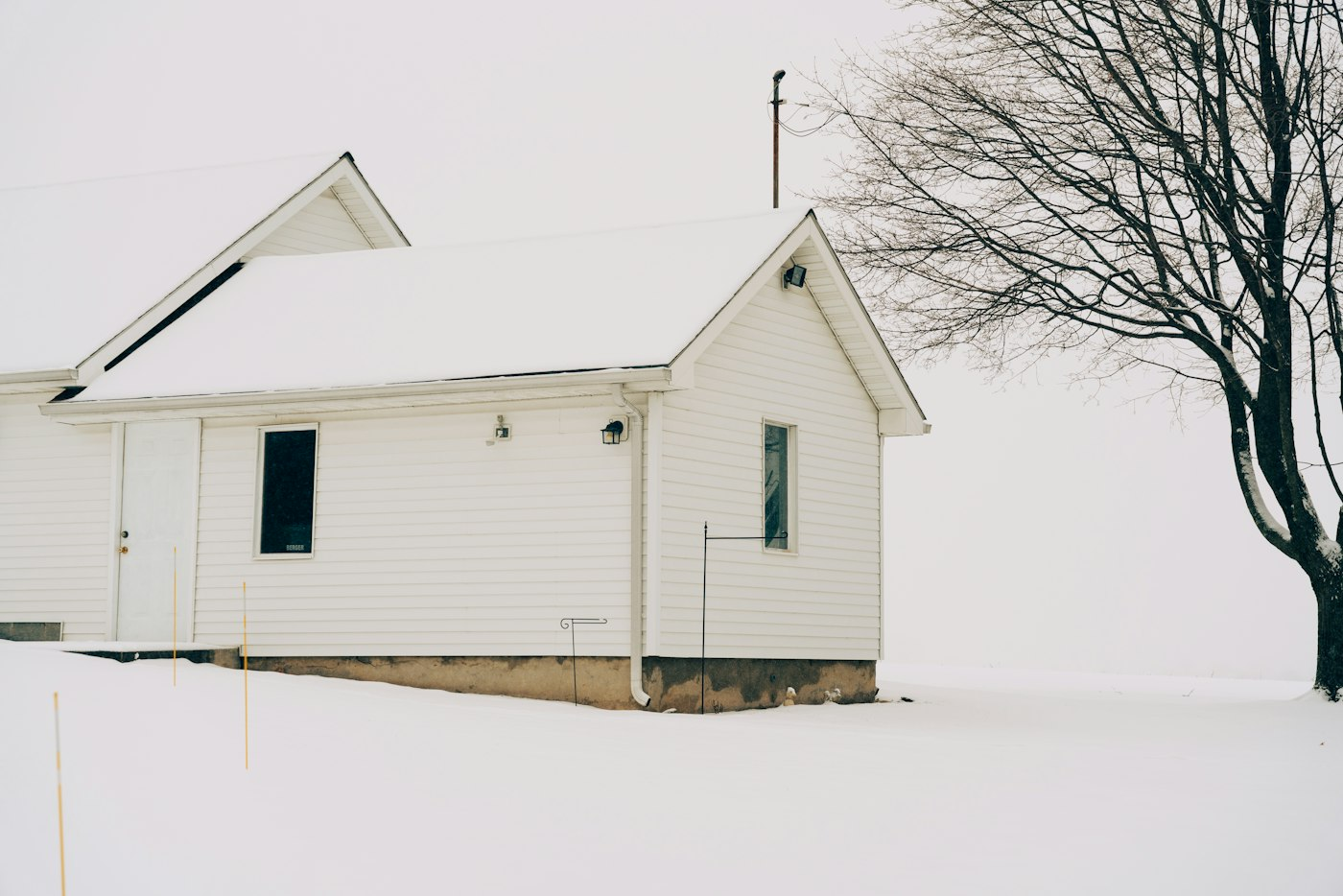
Many people assume the best time to look at homes is spring, when yards are green and the light is long. But touring in winter has real advantages. Cold, wet weather puts a house under stress, and that can show you how it truly performs.
Feel how the home holds heat
Walk through each room and notice the temperature. Are some rooms noticeably colder than others? Is there a chilly draft near certain windows or exterior doors? Uneven temperatures can point to gaps in insulation, aging windows, ductwork issues or simply a system that needs servicing. None of these are necessarily deal-breakers, but they are worth noting for your inspector.
Listen to the heating system when it runs. Ask how old it is and whether there are service records. A seller’s disclosure may include some of this information.
Look up, then look outside
Winter can make roof and gutter issues easier to spot. If there has been snow or frost, notice whether it has melted unevenly across the roof, which can sometimes hint at heat escaping from the attic. Look for icicles or ice buildup along the eaves, and check that gutters and downspouts direct water away from the foundation.
After rain, walk the yard. Standing water near the house or soggy spots along the foundation can signal grading or drainage problems that might not be visible in a dry season.
Check windows, doors and the lower level
Condensation or fogging between double-pane glass can mean a failed seal. Doors that stick or let in light around the frame may need adjustment or weatherstripping. If the home has a basement or crawl space, look and smell for dampness. Winter moisture can reveal leaks that stay hidden in summer.
A winter showing checklist
- Note any rooms that feel colder or drafty.
- Ask the age of the heating system and water heater.
- Look for condensation on or between window panes.
- Scan the roofline for uneven melting or ice buildup.
- Check where downspouts discharge and whether water pools nearby.
- Look for damp spots, stains or musty smells in lower levels.
- Notice how the driveway and walkways handle wet or icy conditions.
Bring good questions to your inspection
A showing is not a home inspection, and you do not need to diagnose anything yourself. The value of a winter tour is that it gives you specific observations to pass along to a licensed home inspector, who can evaluate the systems properly. If you noticed a cold room or a wet corner of the yard, mention it so it gets a closer look.
Winter house hunting can also mean fewer crowds at showings and more time to look carefully. Bundle up, bring a notepad and take your time. If you would like to start touring, our contact page is the easiest way to get in touch.
Going Deeper: How to Plan a Winter Showing Day
A little planning helps you get the most out of every cold-weather tour. Shorter days and changing weather mean timing matters more than it does in spring.
Schedule with the light in mind
Daylight goes quickly in winter. Try to see the homes you care about most while the sun is still up, so you can view the yard, roofline, and exterior clearly. If you can, visit a favorite home twice: once in the morning and once later in the afternoon. You will notice how the light moves through the rooms and which spaces feel warm or dim.
Watch the forecast
It may sound backward, but a rainy day can be one of the most useful days to tour. Water shows you where it wants to go. If a cold rain is expected, consider scheduling a showing that afternoon or the next morning so you can see how the property drains.
Pack a simple kit
- A small flashlight for closets, crawl space entrances, and under sinks
- A notepad or phone for notes and photos, labeled by address
- Comfortable shoes you can slip off and on, since some sellers ask buyers to remove shoes or wear covers
- A warm layer, because vacant homes may be kept at a lower temperature
What Winter Can Tell You About the Neighborhood
Cold-weather tours are not only about the house. They can also show you how a street or area functions when conditions are less than ideal.
- Road conditions: In parts of North Georgia, hilly roads and long driveways can be tricky when there is ice. Notice the slope of the driveway and the route you would take to work or school.
- Bare trees: Without leaves, you can see more of what surrounds a property, such as nearby roads, neighboring structures, or views that are hidden in summer. Think about how that will change once the trees fill in again.
- Sun exposure: The winter sun sits lower in the sky. Rooms that get sun now may stay warmer and brighter through the colder months.
- Evening activity: Because it gets dark earlier, a late-afternoon drive through the area gives you a sense of street lighting and traffic during the commute home.
Common Winter Touring Mistakes
- Rushing because it is cold. It is tempting to hurry through a chilly vacant house. Slow down. The point of a winter tour is to notice details.
- Judging the yard too harshly. Dormant grass and bare shrubs do not tell you much about how the landscaping looks in spring. Focus on grading, drainage, and the structure of the lot instead.
- Overlooking the heating bill. Ask whether the sellers can share typical winter utility costs. It can help you understand how efficient the home is.
- Forgetting the summer side. Winter shows you heat loss, but North Georgia summers are hot and humid. Ask about the age of the air conditioning system and look for signs of good attic ventilation, too.
- Assuming every issue is serious. A drafty door or a fogged window is often a manageable repair. Write it down, then let the inspector and other professionals help you understand what it means.
Questions Readers Ask
Will sellers be more flexible in winter?
Every seller is different. Some list in winter because they need to move on a timeline, while others are simply ready. The details of each situation shape what kind of negotiation makes sense.
Should the heat be on during a showing?
If a home is vacant, the heat may be set low. You can ask your agent whether the system can be run during your visit so you can hear it operate and feel how evenly it warms the rooms.
Can an inspector test the air conditioning in winter?
Some systems should not be run when outdoor temperatures are very low. Your inspector can explain what they are able to evaluate in cold weather and whether a follow-up check makes sense later.


