
In an apartment, a broken air conditioner was someone else’s problem. In your first home, it is yours. The good news is that a few simple habits keep most cooling systems running well, and knowing when to call a professional can keep small issues from becoming expensive ones. Here is what to know heading into your first summer as a homeowner.
Start with the filter
A clogged air filter is one of the most common causes of poor cooling performance. It restricts airflow, makes the system work harder and can contribute to bigger problems. Find out where your filter is, what size it is and how often the manufacturer recommends changing it. Many homes need more frequent changes in summer, especially with pets, allergies or nearby construction. Write the date on each new filter so you remember when you changed it, and keep a spare or two on hand.
Give the outdoor unit room to breathe
If your system has an outdoor unit, it needs open space around it to release heat. Keep shrubs and vines trimmed back, clear away leaves and grass clippings, and do not stack anything against it or cover it in summer. When mowing, aim the discharge away from the unit. If the fins look dirty, check the manufacturer’s guidance or ask a technician before cleaning them, since they bend easily. Always turn off power to the unit before doing any work near it.
Help the house help the system
Your home’s envelope, meaning its walls, windows, roof and attic, works together with the air conditioner. Simple steps can reduce how hard the system has to work:
- Close blinds or curtains on sunny windows during the hottest part of the day, especially on the west and south sides.
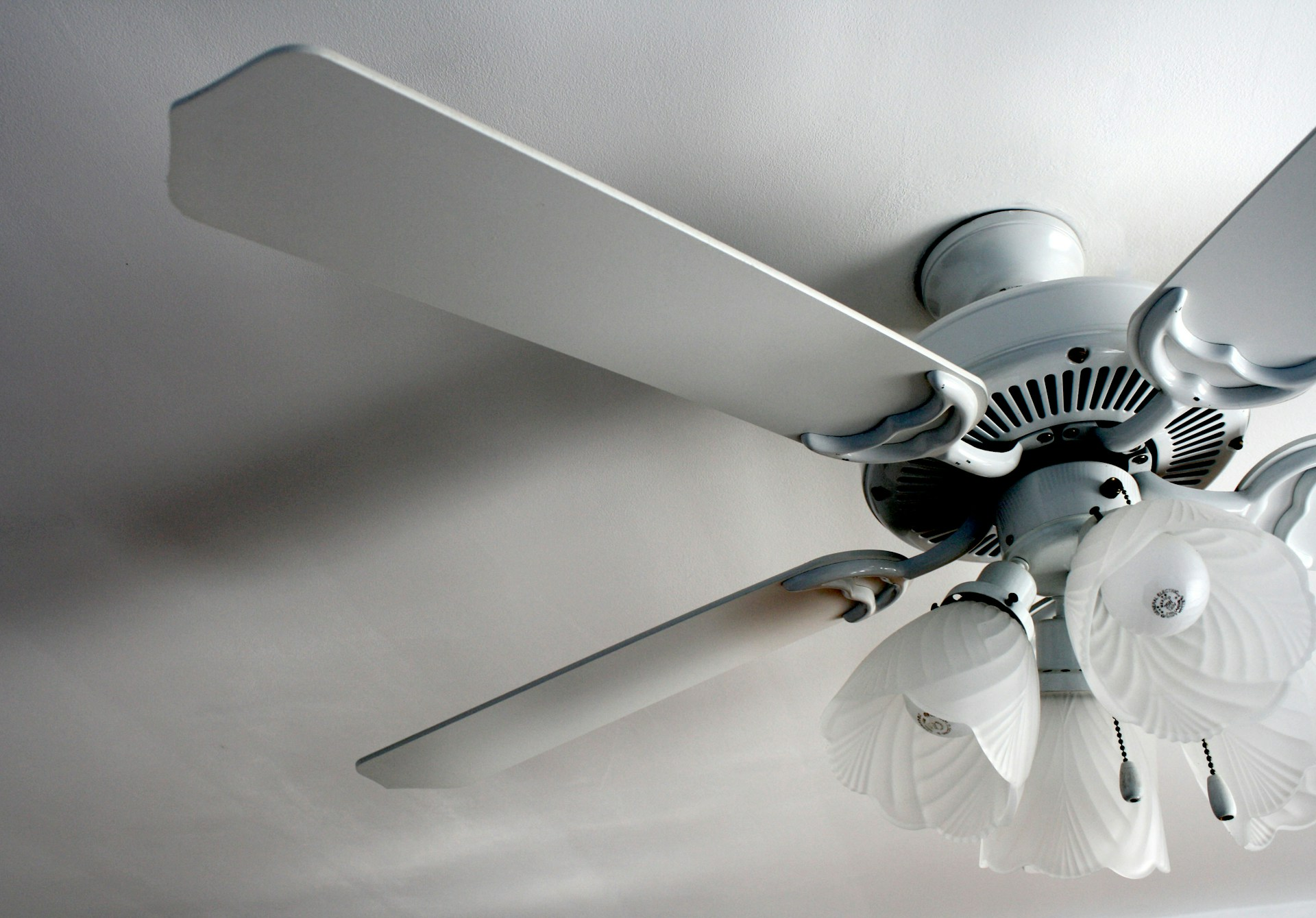
- Set ceiling fans to spin counterclockwise in summer to push air downward. Turn them off in empty rooms, since fans cool people, not spaces.
- Use a programmable or smart thermostat to raise the temperature somewhat while you are away and cool the house before you return.
- Run the oven and the clothes dryer outside the hottest hours when you can.
- Keep supply vents and return grilles clear of furniture and rugs.
Watch for warning signs
Learn what normal sounds and feels like, so you notice when something changes. Call an HVAC technician if you notice:
- Warm air from the vents when the system is set to cool
- Ice on the refrigerant lines or the indoor coil
- Water pooling around the indoor unit, which can mean a clogged condensate drain
- Unusual noises, burning smells or a system that cycles on and off frequently
- Rooms that are much warmer than usual, or a sudden jump in your electric bill
If you see ice, turning the system off and calling for service is generally safer than letting it keep running.
Schedule regular service
Annual professional maintenance, ideally in spring before the heavy cooling season, helps catch problems early. A technician can check refrigerant levels, clean coils, test electrical components and clear drain lines. If your inspection report noted the system’s age or condition, share it with the technician. Ask for a written summary of each visit and keep it with your home records. A little attention now keeps you comfortable all summer and helps one of your home’s most important systems last.
A Seasonal Cooling Routine You Can Follow
Spreading simple tasks across the year keeps the system ready when the hottest weeks arrive and makes it easier to remember what has been done.
Early spring
- Schedule professional maintenance before the busy season begins.
- Replace the air filter and check that you have spares in the right size.
- Clear leaves, debris and winter growth from around the outdoor unit.
- Test the system on a mild day so you discover any problems before you really need cooling.
Early summer
- Check the filter monthly during heavy use.
- Look at the condensate drain line where it exits the house and make sure water is draining freely.
- Walk through the house and confirm that every supply vent and return grille is open and unobstructed.
Late summer
- Trim vegetation that has grown back around the outdoor unit.
- Compare your electric bills month to month and note any unexpected jumps.
- Pay attention to rooms that seem to cool more slowly than before.
Fall
- Replace the filter again as you switch toward heating.
- Make a note of any issues you noticed during summer so you can mention them at the next service visit.
Common Cooling Mistakes New Owners Make
- Setting the thermostat very low to cool down faster. Most systems cool at the same rate regardless of how low the setting is. A very low setting usually just keeps the system running longer.
- Closing vents in unused rooms. In many systems, closing too many vents can upset the airflow balance the system was designed for. Ask a technician before closing vents to save energy.
- Ignoring the attic. A hot attic with limited insulation or poor ventilation can add heat to the rooms below. If your inspection noted attic concerns, consider having them evaluated.
- Buying the wrong filter. A filter that does not fit snugly lets air bypass it. Some high-efficiency filters can also restrict airflow in systems not designed for them, so check your equipment’s guidance.
- Waiting for a breakdown to find a technician. Choose a company you trust before an emergency, when you have time to compare options.
Questions New Homeowners Ask About Cooling
How long does a central air system usually last?
Lifespans vary widely depending on the equipment, installation, climate and maintenance. Your technician can give you a sense of where your system stands and what to plan for.
Is it normal for the outdoor unit to drip water?
Some condensation around refrigerant lines can be normal, but water pooling indoors around the air handler or furnace is a reason to check the condensate drain or call a technician.
Should I turn the system off when I leave for vacation?
In hot, humid weather, many homeowners raise the thermostat setting instead of turning the system off completely. Some cooling helps manage indoor humidity, which protects floors, furniture and finishes while you are away.
Does a maintenance plan make sense?
Some homeowners like the convenience of scheduled visits. Read the terms carefully so you know what is included, and compare it with paying for service visits as needed.


