
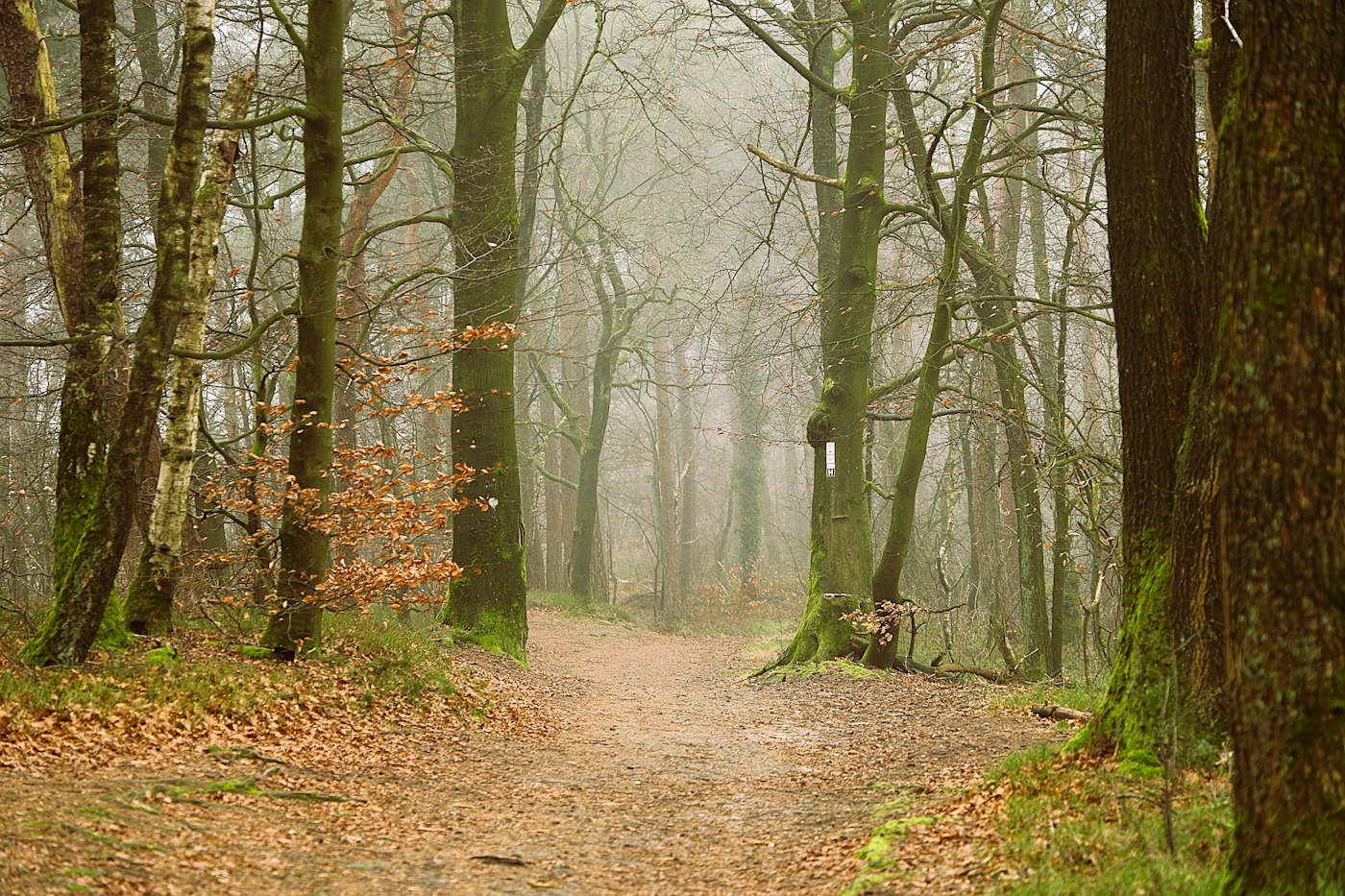
Hunting is part of life in the North Georgia mountains, and deer season runs through fall and winter. For many longtime residents, it is a cherished tradition. For newcomers, it may be unfamiliar. Either way, everyone shares the woods, roads and trails during the season, and a few simple habits help keep everyone safe. Wear orange on walks, post your property if you prefer no hunting, and know your neighbors’ habits. Here is a closer look at each of those steps and other ways to enjoy the outdoors safely this time of year.
Understanding Hunting Season
In Georgia, deer seasons are set by the state, with different dates for archery, primitive weapons and firearms. Other game seasons, such as turkey, small game and bear, have their own dates. Seasons and regulations can vary by zone and change from year to year, so check the current rules from Georgia’s Wildlife Resources Division if you want specific dates.
Hunting takes place on private land with landowner permission and on public lands, including portions of the Chattahoochee National Forest and state wildlife management areas. If your property borders public land, you may notice more activity during the season.
Wear Orange on Walks
Blaze orange, also called hunter orange, is highly visible in the woods and helps hunters see people. If you walk, hike, ride horses or work outdoors in or near wooded areas during hunting season, wear it.
- Wear an orange hat, vest or jacket, ideally visible from all sides.
- Avoid wearing brown, tan, white or other colors that could resemble a deer.
- Put an orange vest or collar on your dog.
- Stay on established trails and roads when possible.
- Be especially cautious at dawn and dusk, when deer are most active and hunters are often in the woods.
- Make noise as you walk, such as talking or whistling, so others know you are there.
Even on your own property, wearing orange is a smart choice if neighboring land is hunted.
Post Your Property If You Prefer No Hunting
Some property owners welcome hunting, while others prefer that no hunting take place on their land. If you do not want hunting on your property, posting it is the clearest way to communicate that.
How to post
- Place “No Hunting” or “No Trespassing” signs along property lines, especially at entry points, roads, trails and corners.
- Make sure signs are visible and maintained.
- Learn Georgia’s requirements for posting land; your county or the Wildlife Resources Division can provide guidance.
- Know where your property lines are. Review your survey and, if necessary, have boundaries marked.
If you want to allow hunting
If you are open to hunting on your property, consider setting clear terms with anyone you allow. Many landowners grant written permission, specify where and when hunting is allowed, and discuss safety expectations. Talk with your insurance provider about any liability considerations.
Know Your Neighbors’ Habits
Getting to know your neighbors is always a good idea in the mountains, and it is especially valuable during hunting season.
- Ask neighbors whether they hunt or allow hunting on their land.
- Learn where stands, fields or common hunting areas are located near your property lines.
- Find out what times of day hunting usually takes place.
- Share your own plans, such as walking routes, horseback riding or outdoor projects.
- Exchange phone numbers so you can communicate easily.
Respectful communication goes a long way. Most hunters are careful and courteous, and they appreciate knowing where people and pets will be.
More Safety Tips for Residents
Pets and livestock
- Keep dogs on a leash or under close control, and put orange on them.
- Bring pets in at dawn and dusk.
- Consider orange markers or tags for livestock in fields near the woods.
On the road
Fall is also a season of increased deer movement. Watch for deer on roads, especially at dawn and dusk. Slow down on curves and in wooded areas, and if you see one deer, expect others nearby. You may also see more vehicles parked along roads near public land.
Outdoor projects
If you are cutting firewood, clearing brush or working outdoors near property lines, wear orange and let neighbors know.
Visitors and guests
If you have guests or rent your property, let them know it is hunting season. Provide orange vests for walks and point out property boundaries and nearby public land.
If you hear shots close to home
Hearing gunfire in the distance is normal in hunting season in rural areas, and sound carries a long way across hollows and ridges. If shots seem unusually close to your home, livestock or a well-used path, stay calm, move indoors or away from the area, and make your presence known by calling out. If you believe someone is hunting on your posted land without permission or behaving unsafely, do not confront them in the woods. Contact your local sheriff’s office or the state’s game wardens, who are responsible for enforcing hunting laws.
For Buyers: Questions to Ask
If you are considering a mountain property, hunting season can affect how you use the land. Ask:
- Does the property border public land or land that is hunted?
- Has the current owner allowed hunting, and are there any existing agreements or leases?
- Where are the property lines, and are they marked?
- Are there any easements or rights of way that bring others onto the property?
What to do this week
- Buy orange gear for yourself, your family and your dog.
- Decide whether to post your property, and if so, put up signs.
- Introduce yourself to neighbors and ask about their hunting plans.
- Check the current hunting season dates and rules from the state.
With a little awareness and good communication, everyone can enjoy the mountains safely this fall and winter.


