
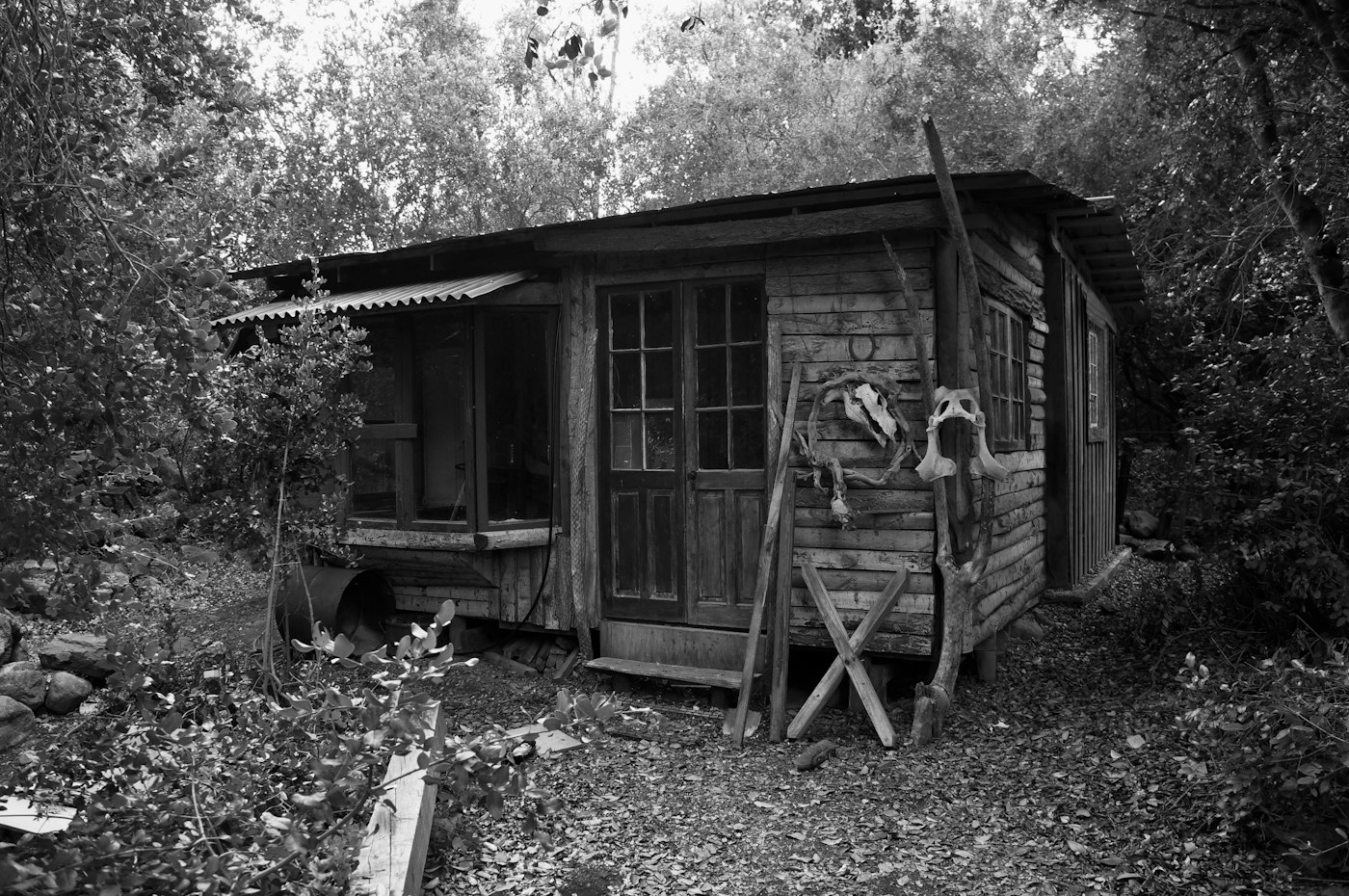
Selling a family cabin involves estate paperwork and emotion. A mountain home that has been in the family for years holds more than furniture and fishing gear. It holds holidays, summer weekends, first fall fires and the memory of the people who made it special. When that home passes to the next generation, deciding what to do with it can feel overwhelming, especially when legal steps, family discussions and practical repairs all arrive at the same time. Sherry has guided many families through it with care. Here is an overview of what to expect and how to move forward thoughtfully.
Give Yourself Time
There is no need to rush. In many cases, the legal process takes time anyway, and that time can be a gift. Use it to grieve, to talk with family members and to visit the property. Some families decide to sell right away, while others keep the cabin for a season or two before deciding. Both choices can be right.
If you are not ready to make decisions, focus on protecting the property: keep insurance in place, make sure utilities are managed, secure the home, and arrange for someone to check on it regularly, especially in winter when frozen pipes and fallen trees are possible.
Understanding the Estate Paperwork
Before an inherited property can be sold, the person or people selling must have the legal authority to do so. How that works depends on how the property was owned and what estate planning was in place. General possibilities include:
- Probate. If the property was owned solely by the person who passed away and was not placed in a trust, it may need to go through probate. A court typically appoints an executor or administrator who can act on behalf of the estate.
- Trusts. If the cabin was held in a trust, the trustee may be able to sell according to the trust’s terms, often without probate.
- Joint ownership. Property owned jointly with rights of survivorship may pass directly to the surviving owner.
- Multiple heirs. When several heirs inherit, they generally need to agree on the sale and sign the necessary documents.
Because these situations are legal matters, we always recommend working with an estate or real estate attorney. They can explain what is needed, help gather documents such as death certificates, wills, trust documents and letters of authority, and coordinate with the closing attorney. Tax questions, including how the property’s value is determined for inherited property and any taxes that may apply, should go to an accountant or tax professional.
Navigating the Emotional Side
Inherited properties often bring siblings and relatives together to make decisions they have never had to make before. One person may want to keep the cabin, another may want to sell, and a third may live far away and feel disconnected from the process. Those differences are normal.
Tips for family conversations
- Meet in person or by video so everyone can be heard.
- Talk openly about goals, finances and memories.
- Get objective information, such as a market analysis and repair estimates, before making decisions.
- Consider whether one family member wants to buy out the others.
- Agree on who will be the main point of contact for the sale.
- Bring in an attorney or mediator if disagreements stall progress.
Preparing the Cabin for Sale
Sorting belongings
Family cabins often hold decades of belongings. Give family members a chance to choose meaningful items first, then decide what to sell, donate or discard. Photographs, letters and heirlooms deserve careful handling. Estate sale companies, donation pickups and junk removal services can help with the rest. Allow enough time; this step often takes longer than expected.
Assessing condition
Older mountain homes may have aging roofs, decks, wells, septic systems or heating equipment. A pre-listing inspection can help you decide what to repair and what to disclose. In some cases, selling as-is makes the most sense. In others, modest repairs and a thorough cleaning can significantly improve buyer interest.
Gathering records
Collect anything that helps buyers understand the property: utility bills, well and septic records, surveys, past repair receipts, road maintenance agreements and any rental history. If records are missing, we can help figure out what is needed.
Pricing an Inherited Property
It is natural to feel that a cherished cabin is worth more than the market suggests. Buyers, however, will compare it to other homes for sale and recent sales nearby. A careful comparative market analysis takes into account location, condition, views, access and features to arrive at a realistic price. Pricing it right from the start helps avoid a long listing period, especially if the estate is covering ongoing costs like taxes, insurance and utilities.
How We Help
Every family’s situation is different. Sherry works alongside attorneys, executors and heirs to keep the process organized and respectful. That can include a market analysis, recommendations for local estate sale and cleaning services, help coordinating repairs, managing showings for out-of-town family, and keeping everyone informed. Above all, we try to make this a process that honors what the cabin has meant to your family.
Next steps
- Secure and insure the property, and arrange regular checks.
- Talk with an estate or real estate attorney about who has authority to sell.
- Hold a family conversation about goals and timing.
- Request a market analysis from Sherry when you are ready to explore your options.
When you are ready, we are here to help you take the next step with care.


