
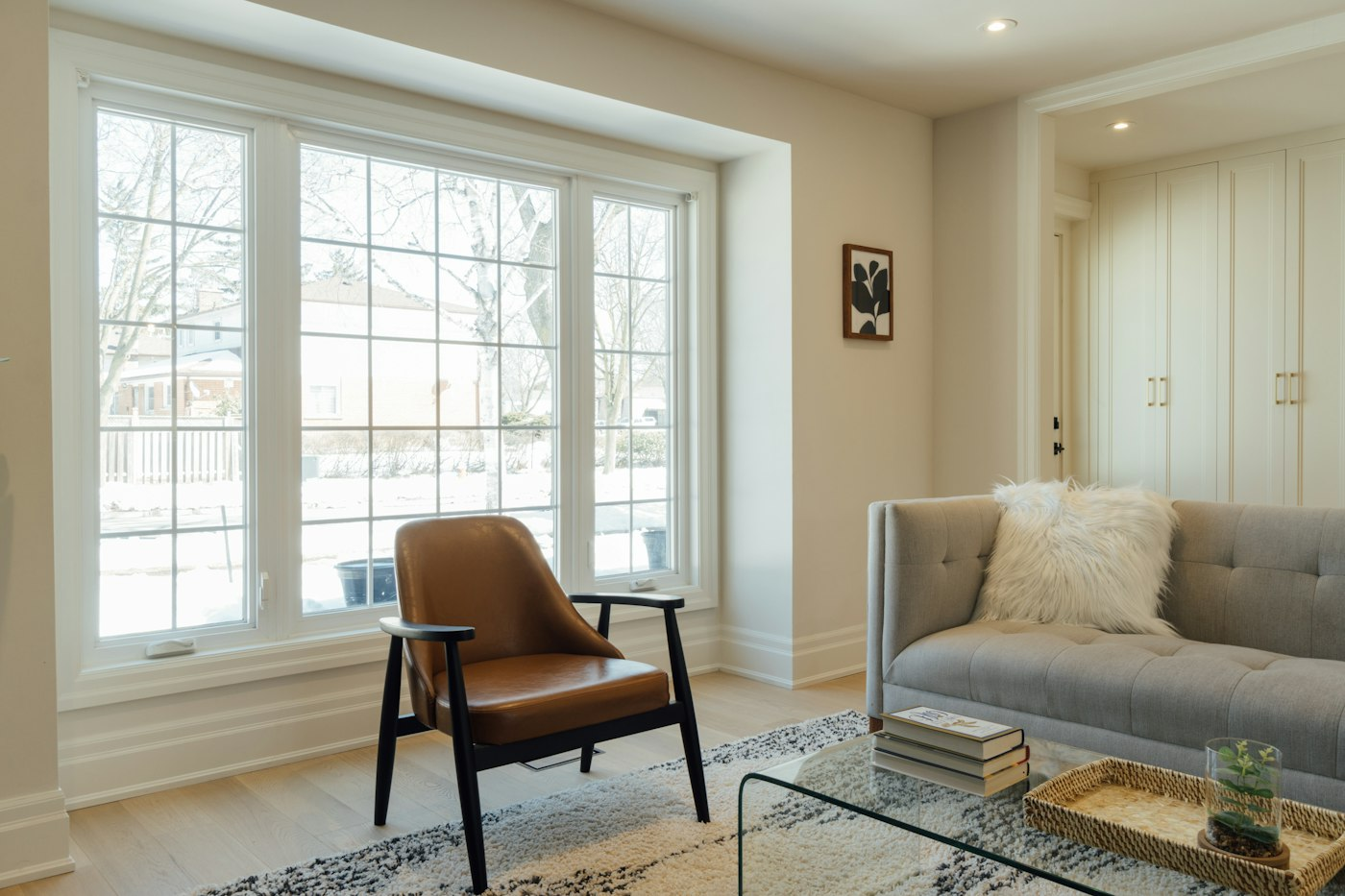
Most home searches begin online. Listings are meant to present a home in its best light, and that is perfectly normal. But a great photo does not tell you everything. Learning to read listings thoughtfully helps you decide which homes deserve a visit and what to ask when you get there.
What the photos show, and do not show
Professional listing photos often use wide-angle lenses that can make rooms look larger than they feel in person. Lighting and editing can brighten spaces. Neither is unusual, but it is worth keeping in mind.
Pay attention to what is missing. If there are many photos of the living room but none of a bathroom, the backyard or the view from the front, ask why. Some areas are simply hard to photograph, but missing photos are always worth a question. Look for:
- Exterior photos from different angles, including the street.
- Photos of every bedroom and bathroom.
- Views of the kitchen that show appliances and storage.
- Images of the yard, garage and any outbuildings.
Decoding common description phrases
Listing descriptions often use upbeat language. A few common phrases and what to ask about them:
- “Cozy” or “charming”: ask about square footage and room dimensions.
- “Needs TLC” or “bring your ideas”: ask what work the home needs.
- “Sold as-is”: the seller may not plan to make repairs, though you can usually still inspect. Ask what that means for this sale.
- “Up-and-coming” or similar: look at specific facts like planned development or zoning instead.
- “Recently updated”: ask what was updated, when and whether permits were obtained.
Descriptions are written by people trying to highlight strengths. They are a starting point, not the full picture.
Check the facts in the listing
Square footage, lot size, year built and tax figures in a listing may come from public records or the seller and may not always be precise. If a measurement matters to you, ask how it was determined and confirm it through county records or your own measurements. Look at the listing history, too. Frequent price changes or a long time on the market can be worth asking about.
Use virtual tours and floor plans wisely
Floor plans and virtual tours are great for understanding layout and flow. Use them to plan where furniture would go and how rooms connect. Still, nothing replaces seeing a home in person, where you can notice sounds, smells, light and the feel of the space.
Turn questions into a showing plan
Before visiting, list your questions from the listing: missing photos, unclear descriptions or numbers to confirm. During the showing, look closely at the areas that were not pictured and ask for the seller’s disclosure. Later, an inspection can address condition in detail.
A careful read of a listing saves time and keeps you from being surprised. If you have found a home online and want to see it, reach us through our contact page.
Reading a Listing Step by Step
When a home catches your eye online, it helps to read the listing in a set order. That way you notice the same things every time and can compare homes fairly.
- Start with the basics. Note the bedroom and bathroom count, square footage, lot size and year built. Write these down so you can compare them with what you see in person.
- Scan the photo order. Listings usually lead with the strongest images. Look at where the photos run thin, since that is often where your questions belong.
- Read the description twice. On the second pass, separate facts (a new roof, a fenced yard, a two-car garage) from impressions (light-filled, inviting, spacious).
- Look at the map. Check the satellite view for the size of the lot, nearby roads, power lines, open fields or commercial buildings close by.
- Review the history. Note how long it has been listed, whether the price has changed and whether it was previously on the market.
- Write your questions. Keep a short list for each home so you walk into the showing with a purpose.
Small Clues Worth Noticing
Some details are easy to skip past but can tell you a lot:
- Close-cropped photos. A tightly framed shot of one corner of a room may mean the rest of the room is less flattering, or simply that the space is small.
- Twilight or seasonal exterior photos. These are attractive, but they may have been taken months ago. Ask whether the yard, roof and exterior look the same today.
- Furniture placement. Staged rooms sometimes use smaller furniture. Picture your own couch, bed or dining table in the space.
- Ceiling and floor edges. Look for stains, uneven transitions or patched areas that show up at the edges of a photo.
- Mentions of “potential.” Phrases like “room to expand” or “ready for your finishing touches” usually point to unfinished space or a project.
Common Mistakes When Shopping Online
A few habits can lead buyers astray:
- Ruling homes out too quickly. A home with weak photos may be a good fit in person, and it may get less attention from other buyers.
- Falling for a single feature. A beautiful kitchen does not make up for a layout or location that does not work for your daily life.
- Trusting the estimated payment. Online payment calculators often leave out insurance, taxes, association fees or mortgage insurance. Your lender can give a much clearer picture.
- Skipping the drive-by. Driving past a home at different times of day shows you traffic, noise, parking and how the street feels in a way no photo can.
Questions Buyers Ask About Listings
Can I ask the listing agent questions directly?
You can, but remember the listing agent represents the seller. Having your own agent ask questions on your behalf keeps your interests front and center.
Why does a home’s square footage differ between websites?
Different sites may pull from public records, prior listings or the current seller, and measurement methods vary. If size matters to your decision, confirm it before you make an offer.
Should I be worried if a listing has no interior photos?
Not automatically. Sometimes a home is occupied by tenants, under renovation or listed in a hurry. It simply means you will want to see it in person before forming an opinion.
How many homes should I see in person?
There is no set number. Reading listings carefully helps you narrow the list, so the homes you visit are the ones most likely to meet your needs.


