
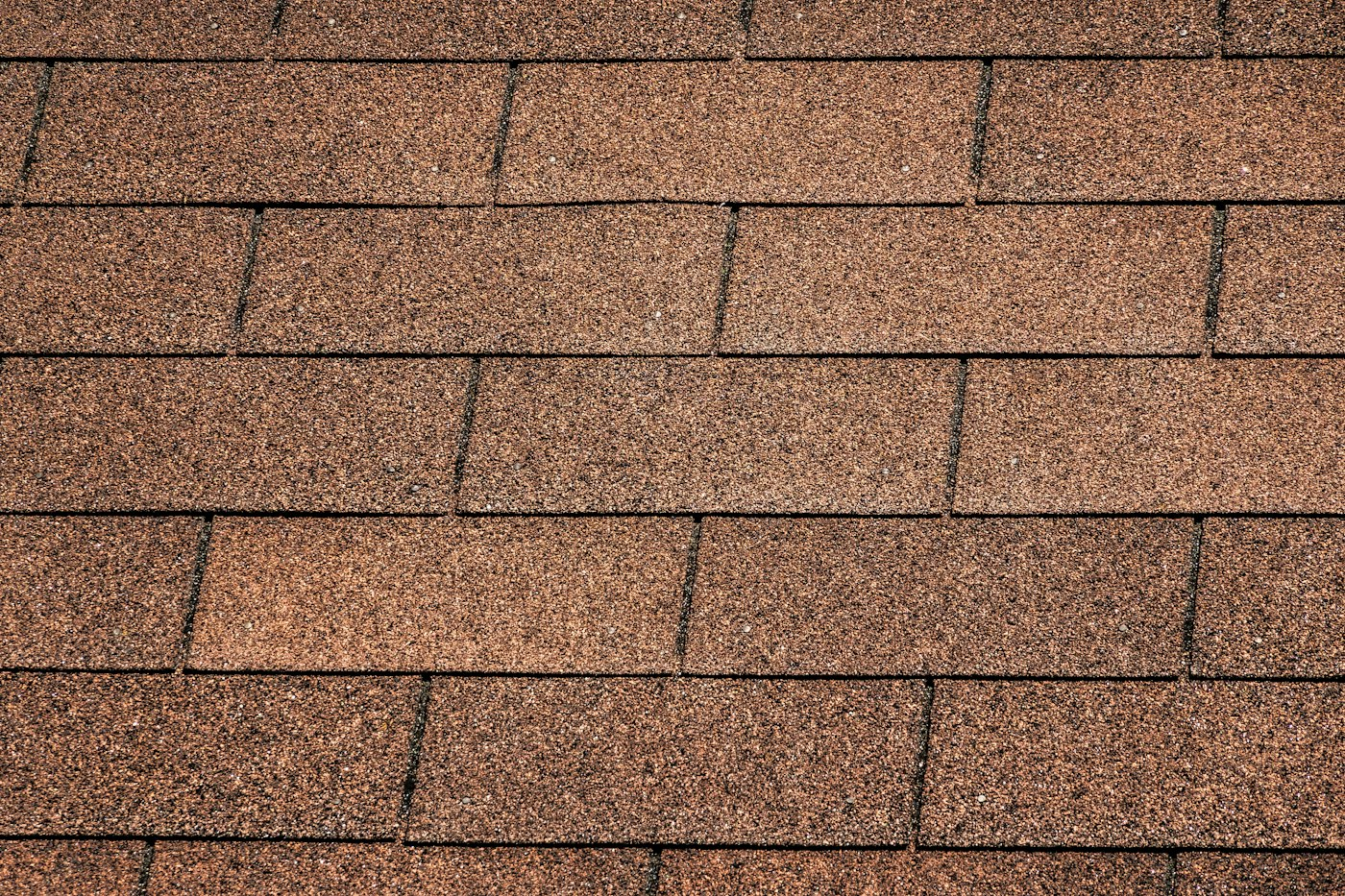
A roof works hardest in summer. Strong sun and high temperatures age roofing materials, afternoon storms test every seam and hail can do damage in minutes. For buyers touring and inspecting homes this time of year, that stress often leaves clues. Knowing what they look like helps you ask better questions and understand your inspection report.
How heat and sun age a roof
Asphalt shingles, the most common residential roofing in the United States, are topped with mineral granules that shield them from ultraviolet light. Over years of sun and heat, shingles shed granules, dry out and become brittle. Signs of that aging include:
- Bare or smooth patches where granules have worn away, and granules collecting in gutters or at the bottom of downspouts
- Edges that curl upward or centers that cup
- Cracked, blistered or brittle shingles, often worst on the slopes that get the most sun
- Cracked rubber boots around plumbing vent pipes, a common source of small leaks
- Sealant around flashing that has dried, shrunk or pulled away
What storms leave behind
Storm damage looks different from age. Hail can dent metal vents and gutters and leave scattered dark spots on shingles where granules were knocked loose. Wind can lift, crease or tear off shingles, often along edges and ridges. Falling branches can puncture or gouge the surface. If the home has been through a recent storm, ask whether the roof was checked afterward and whether any repair was made.
What you can check from the ground
Stay off the roof. Hot shingles are soft and easily scuffed, and roofs are dangerous at any temperature. From the yard or the street, with binoculars if you have them, look for:
- A roofline that sags or dips
- Missing, mismatched or patched shingles
- Debris piled in valleys or behind chimneys
- Tree limbs that touch or hang over the roof
- Dark streaks, which are often algae and usually cosmetic, and moss, which holds moisture
Inside, look at ceilings below the roof, especially near chimneys, skylights and exterior walls, for stains or fresh paint in odd spots.
How inspectors evaluate a roof
A home inspector may walk the roof, view it from a ladder at the eaves, use a drone or rely on binoculars, depending on its height, pitch, material and condition. Some materials, such as tile and slate, can crack underfoot, so inspectors often view them from the edges. The inspector will also look at the underside of the roof deck from the attic for stains and daylight. If the report notes significant wear, storm damage or an uncertain age, a licensed roofing contractor can give a more detailed assessment during your inspection period.
Questions worth asking
Ask the seller how old the roof is, whether it has been replaced or repaired and whether permits, receipts or a transferable warranty exist. Ask your insurance agent early how the roof’s age and condition could affect coverage. A roof near the end of its life is not necessarily a reason to pass on a home, but it is a cost to plan for, and summer is a revealing time to see its condition clearly.
A Buyer’s Roof Checklist for Summer Showings and Inspections
Bringing a consistent checklist to each showing helps you compare roofs fairly and prepare questions before your inspection.
At the showing
- Walk around the entire home and look at every roof slope you can see from the ground.
- Look at gutters for granules, sagging sections or loose brackets.
- Check downspouts to see where they discharge and whether water is directed away from the foundation.
- Look at ceilings in upper rooms, closets and around skylights for stains.
- Ask whether the home has had roof work and if records are available.
Before the inspection
- Ask your agent to request the roof’s age, permits, receipts and warranty information from the seller.
- Ask the inspector how they plan to evaluate the roof and whether they will access the attic.
- Note any storms that have passed through the area recently, and mention them to the inspector.
After the inspection
- Read the roof section closely and look at the photos.
- If the report recommends further evaluation, schedule a roofer quickly so findings arrive before your deadline.
- Share relevant findings with your insurance agent.
Understanding What the Roofer Might Tell You
A roofing contractor’s assessment usually falls into one of several general categories. Knowing them helps you respond with your agent.
- Routine maintenance: Resealing flashing, replacing a vent boot or securing a few loose shingles. These are typically smaller items.
- Repair: A damaged section, a leak or storm damage that can be fixed without replacing the whole roof.
- Remaining life estimate: An opinion on how much longer the roof might reasonably last. This is an estimate, not a guarantee.
- Replacement recommended: The roof has reached a point where repairs may no longer be practical.
Depending on the findings and your contract, your agent can help you decide whether to ask for repairs, a credit, a price adjustment or simply to plan the cost into your budget.
Common Mistakes Buyers Make About Roofs
- Judging age by appearance alone. A roof can look fine from the street and still be near the end of its life.
- Ignoring the attic. Many roof problems show up first on the underside of the roof deck.
- Assuming algae streaks mean damage. They are often cosmetic, though they are worth noting.
- Waiting until closing to ask about insurance. Some insurers have requirements based on the roof’s age or condition.
- Climbing up to look. Leave rooftop evaluations to inspectors and roofers with the right equipment.
Questions Buyers Ask About Summer Roof Inspections
Can an inspection miss roof problems?
Inspections are visual and limited by access, weather and the roof’s design. A roofer can provide a more detailed opinion when there is uncertainty.
Is a roof certification the same as an inspection?
Not exactly. Some roofers offer a certification estimating remaining life, which may be requested in certain transactions. Ask what it covers and how long it is valid.
Should I worry about a roof with multiple layers?
Some roofs have new shingles installed over old ones. That can affect weight, ventilation and future replacement cost. Ask the inspector or roofer whether they see more than one layer, and what that could mean when the roof is eventually replaced.


