
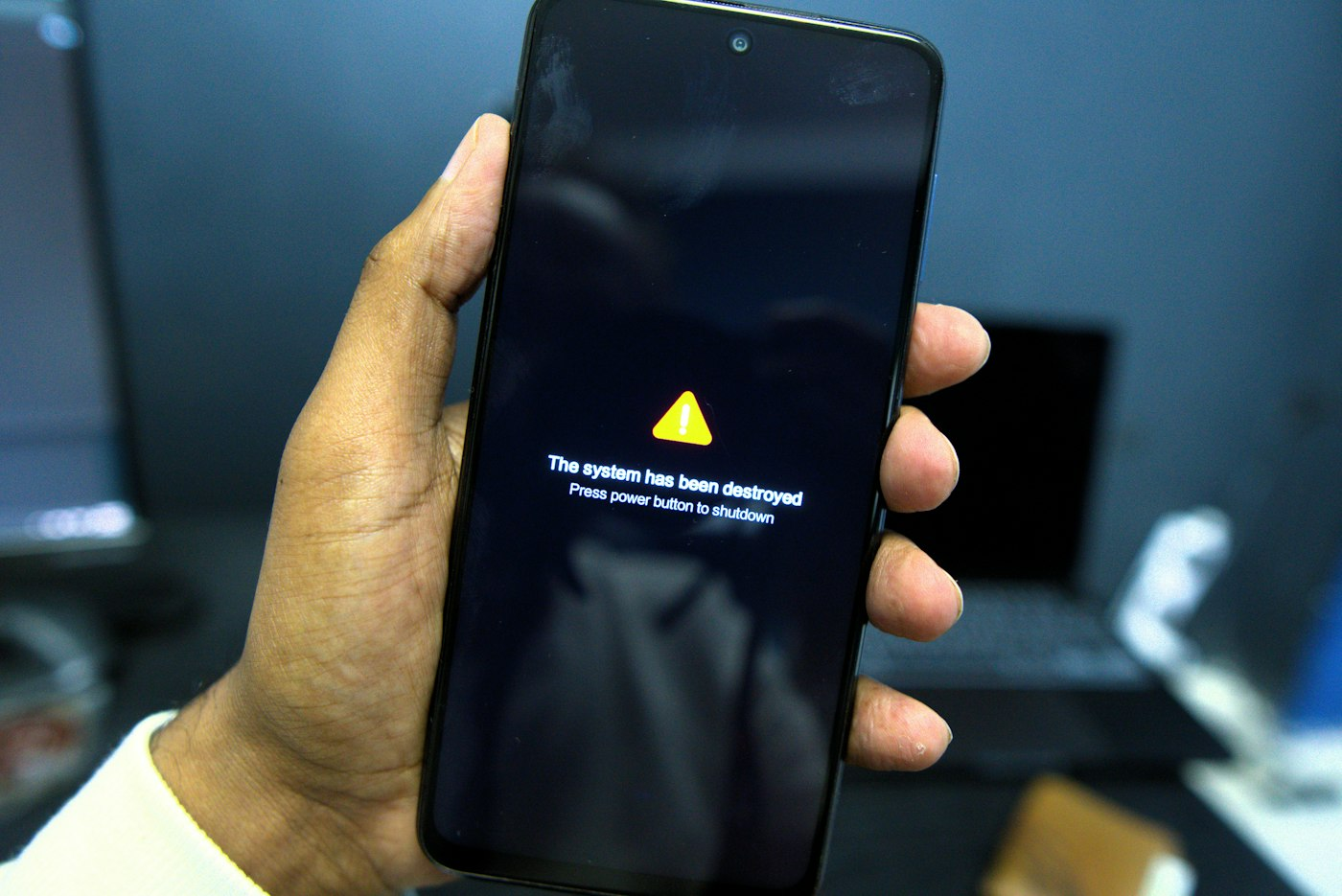
Closing on a home usually involves moving a large sum of money, often by wire transfer, to a title company, escrow agent or closing attorney. That makes homebuyers an attractive target for a specific kind of fraud. The scam is well known in the real estate industry, and the good news is that a few simple habits make it far less likely to succeed.
How the scam works
A criminal gains access to an email account belonging to someone in the transaction, or creates an address that looks almost identical. They watch the conversation and learn when closing is approaching. Then, at just the right moment, they send the buyer an email with “updated” wiring instructions. The message may use the right names, the correct property address and a convincing logo. If the buyer wires the funds, the money lands in an account the criminal controls and is often moved again quickly.
Because wire transfers are difficult to reverse, recovering the money can be hard. Prevention is everything.
Warning signs to watch for
- A last-minute change to wiring instructions, especially one described as urgent
- An email address that differs slightly from earlier messages, such as an extra letter or a different domain
- Pressure to act quickly or to keep the request confidential
- A request to send money to an individual, or to an account in a name that does not match the closing company
- Instructions that arrive only by email or text, with no other confirmation
Legitimate closing companies rarely change their wiring instructions in the middle of a transaction. Treat any change as suspicious until it is verified.
Verify before you send anything
The single most effective step is to confirm wiring instructions by phone, using a number you obtained independently. That might be the number in your purchase contract, the one on the company’s official website or the one your agent gave you in person early in the process. Never use a phone number that appears in the same email as the instructions.
A few other habits help:
- Ask your closing company at the start how it will deliver wiring instructions, so you know what to expect.
- Avoid sending account numbers or other sensitive details by ordinary email.
- After sending a wire, call the closing company to confirm it arrived.
- Ask whether a cashier’s check or another payment method is an option for your closing.
If something goes wrong
If you suspect you have wired money to the wrong place, act immediately. Call your bank and ask it to try to recall the wire, and ask for its fraud department. Then contact the closing company and your agent. You can also report the incident to the FBI’s Internet Crime Complaint Center at ic3.gov. Speed matters, because the chance of stopping or recovering funds drops as time passes.
None of this means you should feel nervous about closing. It simply means treating the moment you move money with the same care you give any important decision. A short phone call to the right number is a small price for peace of mind.
A Wire-Safety Plan From Contract to Closing
Wire fraud prevention works best when it starts at the beginning of the transaction rather than the day before closing. Here is a simple plan to follow from the moment your offer is accepted.
When you go under contract
- Get the name of your closing company and write down its main phone number from the purchase contract or its official website.
- Ask your agent, in person or on a call, to confirm that number and to tell you how the closing company will send wiring instructions.
- Agree with your agent and lender that no one on your team will ever send changes to wiring instructions by email.
In the weeks before closing
- Strengthen your own email security. Use a strong, unique password and turn on two-factor authentication.
- Avoid accessing sensitive accounts on public Wi-Fi.
- Talk with your bank about its wire process, cutoff times and any limits, so there are no last-minute surprises.
When you receive wiring instructions
- Call the closing company using the number you wrote down at the start. Read back the bank name, routing number, account number and account name, and confirm every digit.
- If anything differs from what they tell you, do not send the money. Report it to the closing company and your agent right away.
After you send the wire
- Call the closing company to confirm that the funds arrived.
- Keep the wire confirmation from your bank with your closing documents.
Other Moments When Fraud Can Appear
Closing funds are the most common target, but similar tactics can show up at other points in a transaction:
- Earnest money deposits early in the process. Verify these instructions the same way.
- Seller proceeds. Sellers can be targeted with requests to change where their proceeds are sent.
- Payoff of an existing loan. Payoff instructions should come from the closing company, not from an unexpected email.
- Fake requests for personal information, posing as a lender or title company, which can be used for identity theft.
Common Assumptions That Get People in Trouble
- “The email came from the right address.” Addresses can be spoofed or accounts can be compromised. A familiar name is not verification.
- “It mentioned my loan details, so it must be real.” A criminal watching an email thread knows the details too.
- “I already verified once.” Verify every set of instructions, every time, especially if something has changed.
- “I am in a hurry.” Urgency is exactly what scammers rely on. A short delay to verify is always acceptable.
Questions Buyers Ask
Will my closing company ever change instructions?
Changes are rare. If one is ever genuinely needed, a legitimate company will understand and welcome a verification call to its known number.
Is a cashier’s check safer than a wire?
It can avoid some of the risks of wire fraud, but closing companies have their own rules about acceptable funds and timing. Ask yours early which methods it accepts.
What should I do if I receive a suspicious email but have not sent anything?
Do not reply or click any links. Forward it to your agent and call the closing company at its known number. Reporting it helps protect everyone in the transaction, because a suspicious message often means someone’s email account has been compromised and others may receive similar requests.
The habits above take only a few minutes at each step, and they turn the moment you move your closing funds into a calm, routine part of the day rather than a source of worry.


