
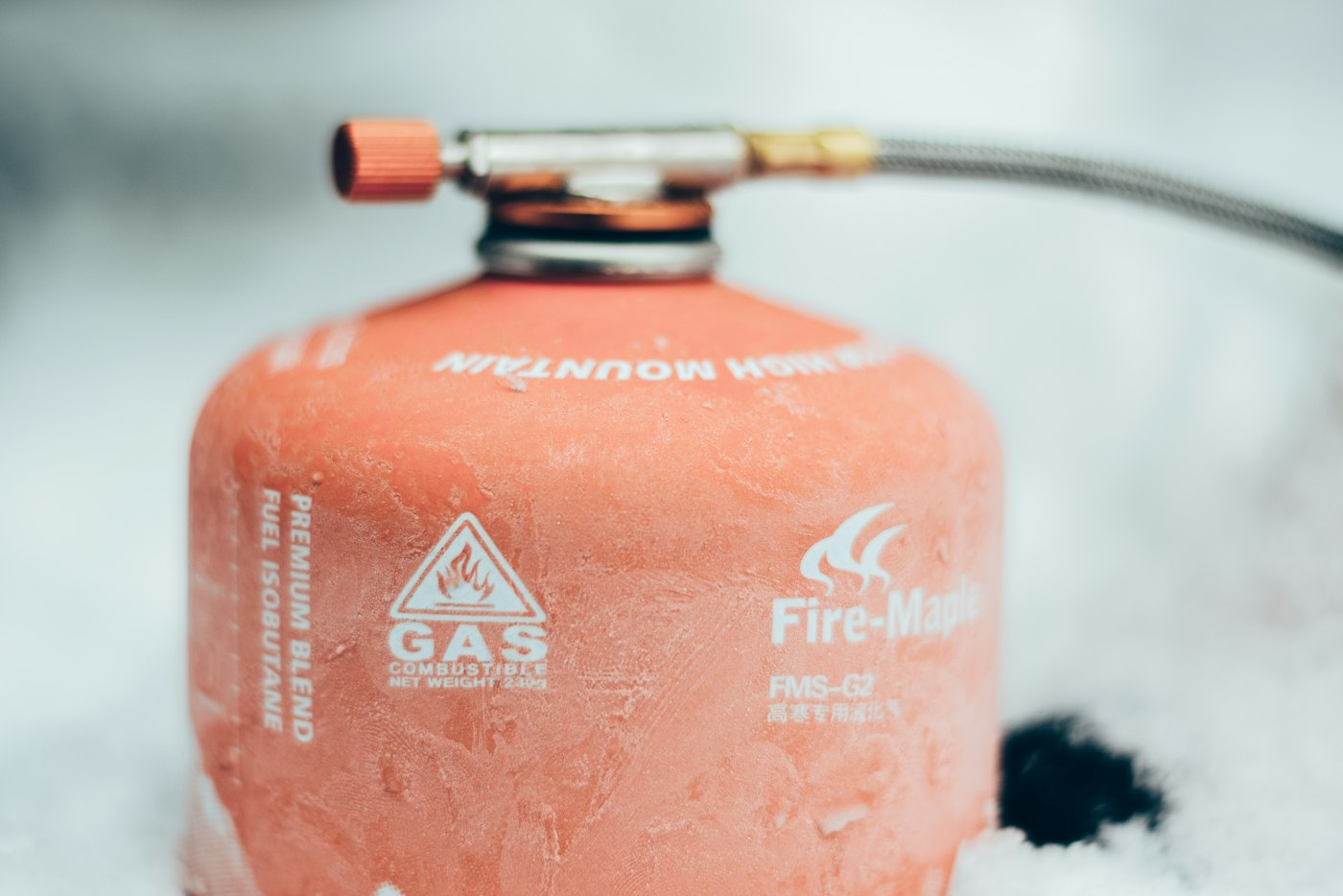
How a mountain home is heated affects comfort, monthly costs and how well the house handles a cold snap. In the North Georgia mountains, two options come up again and again. Propane is common off the gas grid, since many rural homes are not served by natural gas lines. Electric heat pumps, meanwhile, are increasingly efficient and have become a popular choice in new and updated homes. Many properties use a combination of both, sometimes with a fireplace or wood stove for extra warmth. Our advice for buyers is to ask for utility history and consider upgrades. Here is what to know about each option.
Propane Heat
Propane is stored in a tank on the property, either above ground or buried, and delivered by a supplier. It can fuel furnaces, boilers, water heaters, gas fireplaces, ranges and generators.
Advantages
- Works off the grid. Propane is available where natural gas lines do not reach.
- Warm, steady heat. Propane furnaces typically deliver warm air, which many people find comfortable in cold weather.
- Versatility. Propane can power multiple appliances, including standby generators.
- Performance in cold weather. Propane systems heat effectively when temperatures drop.
Considerations
- Fuel costs vary. Propane prices can change seasonally and from year to year.
- Delivery logistics. Steep or icy driveways can make deliveries harder in winter, so plan ahead.
- Tank ownership. Tanks may be owned by the homeowner or leased from a supplier. Leased tanks often must be filled by that supplier.
- Safety. Propane appliances need proper installation and maintenance, and carbon monoxide detectors are essential.
Electric Heat Pumps
A heat pump moves heat rather than generating it by burning fuel. In winter, it pulls heat from the outside air and brings it indoors; in summer, it works in reverse to cool the home. Modern heat pumps have become increasingly efficient, including in colder temperatures.
Advantages
- Efficiency. Because heat pumps move heat rather than create it, they can be very efficient.
- Heating and cooling in one system. A heat pump handles both seasons.
- No fuel deliveries. There is no tank to fill or delivery to schedule.
- Options for different homes. Ducted systems serve whole homes, while ductless mini-splits can heat individual rooms or additions.
Considerations
- Performance in extreme cold. Older or standard heat pumps can lose efficiency in very cold weather and often rely on backup electric resistance heat, which costs more to run. Cold-climate models are designed to perform better at low temperatures.
- Power outages. Heat pumps need electricity, so a generator or alternate heat source is important in areas prone to outages.
- Air temperature. Heat pumps often deliver air that feels less hot than a furnace, though they keep a home comfortable.
Hybrid and Backup Systems
Many mountain homes use more than one heat source. A dual-fuel system pairs a heat pump with a propane furnace, using the heat pump in mild weather and switching to propane when temperatures drop. Fireplaces, wood stoves and propane space heaters also provide backup heat during outages or very cold nights.
A combination system can offer efficiency and reliability, but it also means more equipment to maintain. Ask how the systems work together and when each one runs.
Elevation, Exposure and Heating Choices
Where a home sits on the mountain can influence which heating approach makes the most sense. A home at higher elevation, on a windy ridge or facing north will generally need more heat through the winter than one in a sheltered, sunny spot lower down. In colder settings, a dual-fuel setup or a cold-climate heat pump paired with good insulation may be worth considering, while a milder location may be well served by a standard heat pump with a backup source. Seasonal homes raise their own questions, too: whichever system you choose, it needs to keep the house safely above freezing when no one is there, so reliable operation and remote monitoring can matter as much as efficiency.
Ask for Utility History
The best way to understand what a home costs to heat is to look at its actual history. Ask the seller for:
- Twelve months of electric bills, ideally including a full winter.
- Propane delivery records or bills for the past year.
- Information about firewood use, if the home has a fireplace or wood stove.
- The age and service history of heating equipment.
- Whether the tank is owned or leased, and who the supplier is.
Keep in mind that usage depends on how the home was used. A full-time residence will use more energy than a weekend home, and a rental may vary by occupancy. Thermostat habits also make a big difference.
Consider Upgrades
If a home’s heating system is older or costly to run, upgrades may improve comfort and lower bills over time.
- Replace an older heat pump or furnace with a more efficient model.
- Add a cold-climate heat pump or a ductless mini-split for specific rooms.
- Install a dual-fuel system for flexibility.
- Improve insulation and air sealing, which can reduce heating needs regardless of fuel type.
- Upgrade windows and doors to reduce drafts.
- Add a programmable or smart thermostat, which can be especially helpful for second homes.
- Add backup power so heat stays on during outages.
Before upgrading, consult a licensed HVAC professional about what fits the home, its elevation and your goals. Ask about any available rebates or incentives, and consult a tax professional about any tax implications.
Questions to Ask When Buying
- What type of heating system does the home have, and how old is it?
- Is there a propane tank, and is it owned or leased?
- What were the heating costs over the last year?
- Is there a backup heat source?
- Has the system been serviced regularly?
- How well insulated is the home?
Next steps
- Request utility history for any home you are considering.
- Have heating systems evaluated during your inspection.
- Talk with an HVAC professional about upgrades if needed.
- Ask Sherry for local referrals and help comparing homes.


