
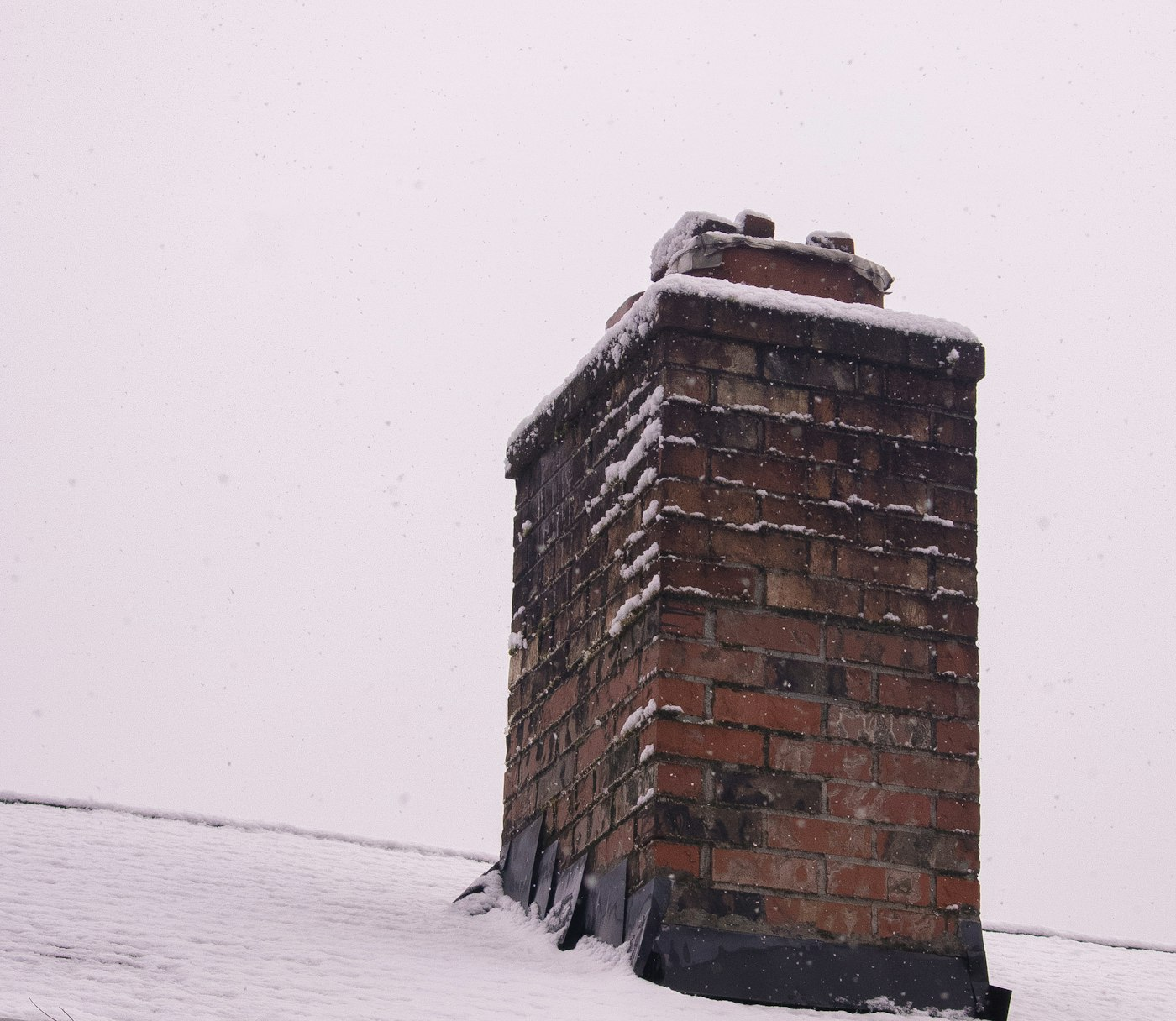
Winter in the North Georgia mountains can be mild for weeks and then arrive all at once with a hard freeze, an ice storm or a dusting of snow on the ridges. The homeowners who sail through those days are the ones who prepared in the fall. Our short checklist covers the essentials: clean gutters, insulate exposed pipes, service the heating system, stock firewood, check the driveway for ice risk, and know your road’s maintenance plan. Here is how to tackle each item, plus a few extras that make a big difference in a mountain home.
Gutters, Roof and Drainage
Clean gutters
Mountain homes are surrounded by trees, and by late fall gutters are often packed with leaves, needles and twigs. Clogged gutters can overflow, send water against the foundation and, in freezing weather, form ice dams that push water under roofing. Clean them after most of the leaves have fallen, and consider gutter guards if your home sits beneath heavy tree cover.
Check the roof and downspouts
While you are looking up, check for missing or damaged shingles, loose flashing around chimneys and vents, and branches hanging over the roof. Make sure downspouts carry water well away from the house. Water that pools near the foundation in winter can freeze, thaw and cause problems over time.
Protect Your Pipes and Water Supply
Insulate exposed pipes
Frozen pipes are one of the most common and costly winter problems in the mountains. Pipes in crawl spaces, basements, exterior walls and under cabinets on outside walls are most vulnerable. Foam pipe insulation is inexpensive and easy to install. For pipes that have frozen before, heat tape designed for that purpose may help; follow the manufacturer’s instructions carefully.
More freeze-protection steps
- Disconnect garden hoses and shut off or drain outdoor spigots.
- Close crawl space vents in winter if your home is designed for it, and check for gaps that let cold air in.
- Know where your main water shutoff is, and make sure everyone in the household does too.
- If you have a well, protect the well house or pressure tank from freezing.
- On very cold nights, open cabinet doors under sinks on exterior walls and let a faucet drip.
- If you leave the home for an extended time, keep the heat at a safe setting or consider draining the system.
Heat: Systems, Firewood and Safety
Service the heating system
Schedule a heating service before the first cold snap, when technicians are busiest. Whether you have a heat pump, a propane furnace or another system, a professional check can catch problems early. Replace filters, clear vents and returns, and make sure the thermostat is working. If you heat with propane, check your tank level and schedule a delivery before roads get icy.
Stock firewood
If you have a fireplace or wood stove, stock seasoned, dry firewood before winter. Wood that has been split and dried properly burns cleaner and produces less creosote. Store it off the ground, covered on top, and a reasonable distance from the house to discourage insects. Before your first fire, have the chimney inspected and cleaned.
Check your safety devices
Test smoke and carbon monoxide detectors and replace batteries. Carbon monoxide detectors are especially important in homes with fuel-burning appliances, fireplaces or attached garages. Keep a fire extinguisher where you can reach it.
Driveways, Roads and Access
Check the driveway for ice risk
Walk your driveway with winter in mind. Steep sections, curves and shady spots that face north are where ice tends to linger. Plan ahead with ice melt or traction sand, and consider whether you need a different parking plan on icy days, such as leaving a vehicle at the bottom of the drive. Clear ditches and culverts so water drains rather than freezing across the surface.
Know your road’s maintenance plan
Many mountain homes sit on private or shared roads. Find out who is responsible for plowing, graveling and spreading sand, whether there is a road association, and how decisions get made. If the road is county-maintained, learn how it is prioritized after storms. Talk with neighbors before winter so everyone knows the plan.
Power and Emergency Preparedness
Winter storms can bring down trees and power lines. Prepare for a few days without power:
- Keep flashlights, batteries, a battery radio and phone power banks on hand.
- Store drinking water, especially if you rely on a well pump that needs electricity.
- Keep a supply of non-perishable food and any needed medications.
- If you have a generator, test it, have it serviced and store fuel safely. Never run a generator indoors or in an attached garage.
- Keep vehicles fueled and stocked with blankets, a shovel and traction aids.
Extras for Seasonal and Rental Homes
If your mountain home is a second home or rental, winter planning matters even more because problems can go unnoticed. Consider remote temperature monitoring or water leak sensors, arrange for someone local to check the property after storms, and make sure guests know how to reach help and where the water shutoff is. Your property manager can help set a winter routine.
Your Winter Checklist
- Clean gutters and check the roof and downspouts.
- Insulate exposed pipes and protect outdoor spigots and well equipment.
- Service the heating system and fill the propane tank if you use one.
- Stock seasoned firewood and schedule a chimney inspection.
- Test smoke and carbon monoxide detectors.
- Check the driveway for ice risk and gather sand or ice melt.
- Know your road’s maintenance plan and talk with neighbors.
- Assemble an outage kit and test any backup power.
A few weekends of preparation now mean you can enjoy the quiet beauty of a mountain winter instead of worrying about it. If you are buying this season, ask Sherry about these items for any home on your list.


