
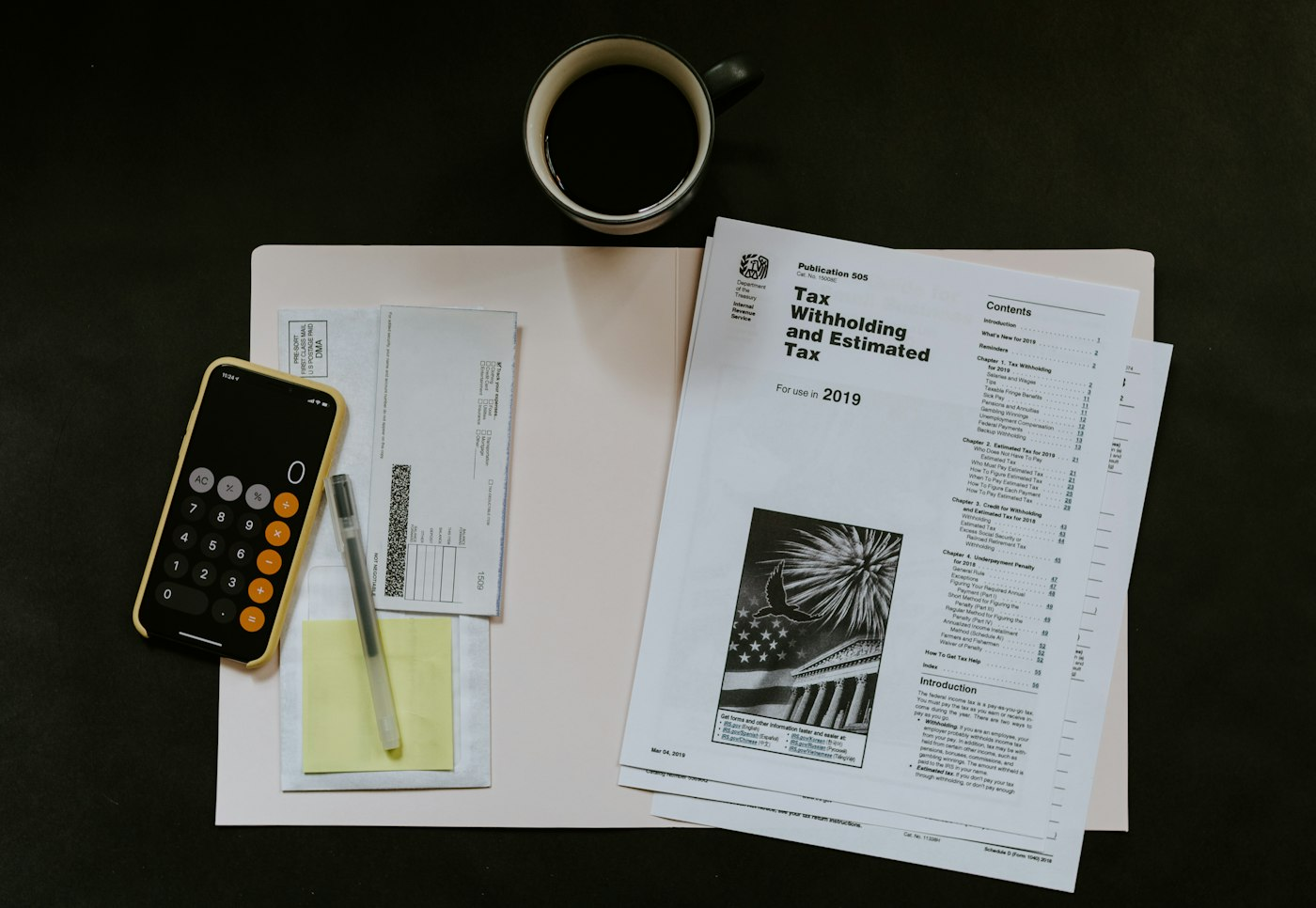
Every mortgage application runs on paperwork. Lenders need to verify your income, assets and debts, and they usually ask for a specific set of documents to do it. February is an ideal month to get organized, because many of the year-end forms lenders request, like W-2s and annual statements, arrive around this time.
Why organization matters
When documents are scattered across email, drawers and online portals, each lender request becomes a scavenger hunt. Delays in providing paperwork can slow underwriting, and in a purchase with contract deadlines, time matters. A single, well-labeled folder, digital or paper, can save days.
Income documents
Lenders commonly ask for:
- Recent pay stubs, often covering about the last month.
- W-2 forms from the past two years.
- Federal tax returns from the past two years, with all schedules.
- 1099 forms if you have contract, freelance or other income.
- Documentation of other income you want counted, such as bonuses, alimony or Social Security, if applicable.
If you are self-employed, expect additional requests, such as business tax returns, year-to-date profit and loss statements or business bank statements.
Asset and debt documents
To verify the funds for your down payment and closing costs, lenders typically want:
- Recent statements for checking and savings accounts, usually the last two months, with all pages.
- Statements for investment and retirement accounts.
- A gift letter and transfer records if someone is giving you money toward the purchase.
- Statements for current loans, if requested.
Be ready to explain large or unusual deposits. Lenders often ask where money came from, so keeping records of transfers between your own accounts or the sale of an item helps.
A simple filing system
Create one folder with subfolders for income, assets, debts, identification and the property. Name digital files clearly, such as “W-2 Employer Name and Year” or “Checking Statement January.” Save complete statements, including blank pages, since lenders often require every page.
Keep a list of account numbers and contact information for your employer’s HR or payroll department, in case the lender needs to verify employment. Store everything securely and share sensitive documents only through your lender’s secure portal or another method they approve.
Keep it current
Documents age quickly in a mortgage process. Lenders may ask for updated pay stubs and bank statements if time passes between pre-approval and closing. Each time a new statement arrives, drop it in the folder. That way you can respond to requests within minutes rather than days.
Finally, try to keep your financial picture steady while the application is underway. Talk to your lender before changing jobs, opening new credit or moving large sums of money. For tax questions, consult a CPA. When you are ready to start looking at homes, reach us through our contact page.
Putting It Into Practice: A One-Afternoon Paperwork Session
Getting organized does not have to take weeks. Set aside a single afternoon, gather your logins and files, and work through these steps in order.
- Create your folder structure. Make a main folder named for your home purchase, then subfolders for income, assets, debts, identification, and property.
- Download pay stubs. Save the most recent ones from your employer’s payroll portal. Name each file with the pay date.
- Gather tax documents. Collect your W-2s or 1099s and your last two years of federal tax returns, including every schedule.
- Pull bank and investment statements. Download full statements for each account you plan to use for the purchase, including every page.
- Scan your ID. Save a clear image of the front and back of your driver’s license or other government-issued ID.
- List your debts. Write down each loan and credit card, the lender, the balance, and the monthly payment.
- Write explanations. Draft short notes for anything unusual, such as a gap in employment, a recent address change, or a large deposit.
- Create a contact sheet. List your employer’s HR or payroll contact, your landlord if you rent, and anyone giving you gift funds.
When you finish, you will have most of what a lender typically requests in one place. Each month, add new statements and pay stubs as they arrive.
Special Situations That Need Extra Documentation
Some buyers will have additional requests. Knowing about them ahead of time helps you prepare.
- Self-employed buyers: business tax returns, year-to-date profit and loss statements, business licenses, and business bank statements may be requested.
- Recent job changes: an offer letter, a written verification of employment, or a first pay stub from the new employer may be needed.
- Divorce or separation: a divorce decree or settlement agreement may be needed to document support payments or the division of assets.
- Rental income: leases and tax returns showing rental income may be requested if you own rental property.
- Gift funds: a signed gift letter and records showing the transfer from the donor’s account to yours are commonly required.
- Selling a current home: a copy of the sales contract or settlement statement may be needed to document proceeds.
Common Paperwork Mistakes
- Sending partial statements. Lenders often need every page, even pages that look blank or contain only fine print.
- Sharing screenshots instead of official documents. A screenshot of an account balance usually is not enough. Download official statements.
- Emailing sensitive files insecurely. Use your lender’s secure portal whenever possible.
- Moving money between accounts without records. Transfers can create questions. Keep your funds where they are, or document each move.
- Letting documents expire. If your search takes longer than expected, refresh pay stubs and statements before writing an offer.
Questions Readers Ask
Why do lenders ask about every deposit?
Lenders need to confirm that funds for the purchase come from acceptable sources. Large or unusual deposits that are not from your regular paycheck may need an explanation.
How long should I keep these documents after closing?
Many people keep their closing documents and related records long-term. A CPA can advise you on how long to keep tax-related records.
Can I just give the lender access to my online banking?
Some lenders use secure verification services that connect to your accounts with your permission. Others prefer statements. Follow your lender’s instructions and never share passwords by email or text.
What if my tax return has not been filed yet?
Early in the year, you may be asked for the prior year’s W-2s and the most recently filed return. Your lender will tell you exactly what they need based on your timing.
For questions about your loan file, your lender is the best resource. For tax questions, consult a CPA.


