
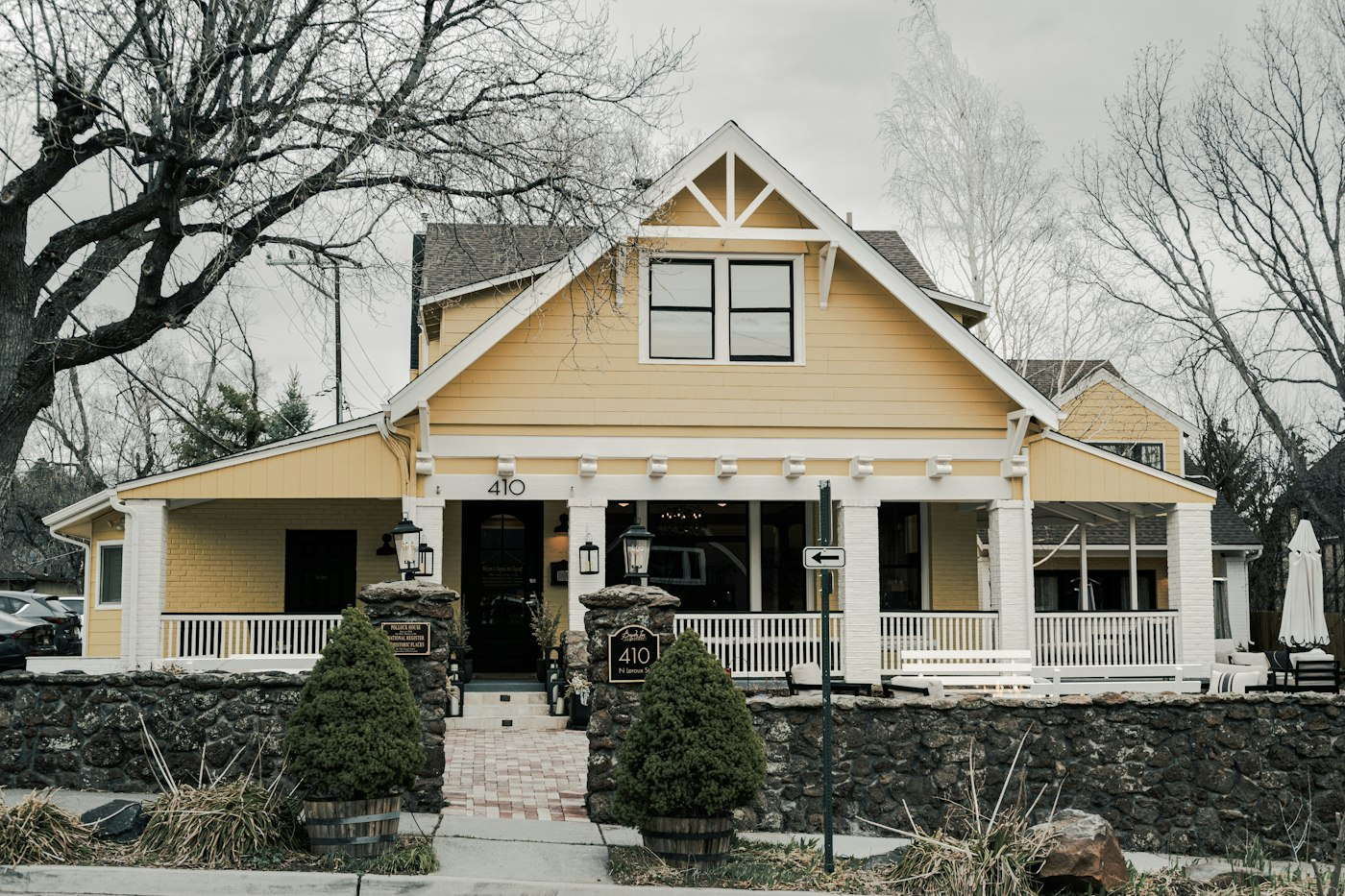
An open house is a showing multiplied. Instead of one buyer walking through at a time, a steady stream arrives over a few hours, and every one of them forms an opinion in the first minute. Your agent runs the event; your job is to hand over a home that is ready. Here is how to do that without a frantic morning.
The week before
- Confirm the date and hours with your agent, and ask how it will be promoted so you know what to expect.
- Do the deep cleaning now: windows, baseboards, appliances, grout. Day-of cleaning should be a touch-up, not a scrub.
- Finish any small repairs still on the list, and touch up scuffed paint.
- Pack away a further layer of personal items and clutter, since open houses draw more people into closets and cabinets than private showings do.
- Tidy the yard, mow a day or two ahead, and refresh mulch where it has scattered.
- Decide where the household, including pets, will spend the afternoon.
The morning of
Work through a set routine so nothing is forgotten:
- Run the daily reset: dishes away, beds made, bathrooms wiped and dry, floors swept.
- Open every blind and curtain and turn on every light, including lamps and closets.
- Set the thermostat for comfort and run the system.
- Air out the house, then close windows if outside noise is an issue.
- Empty all trash and recycling and take the bins out of sight.
- Move cars off the driveway and away from the front of the house.
- Sweep the walk and porch, shake out the doormat, and check that the entry light works.
- Put out fresh towels and clear bathroom counters completely.
- Leave information your agent has requested, such as utility averages or a list of recent updates, in the spot you agreed on.
Secure what should not be seen or touched
Open houses involve many people, often unaccompanied for moments at a time. Before you leave, lock away or take with you jewelry, cash, prescription medications, spare keys, electronics that are easy to pocket, and mail or documents with personal information. Lock any room or closet you do not want shown and tell your agent. Password-protect computers and put away calendars or notes that reveal your schedule.
During the open house
Leave, and stay gone until your agent confirms it is over. Buyers speak candidly when the owner is absent, and that candor is useful to you later. Resist the urge to drive by. If you have cameras in the home, ask your agent about disclosure requirements where you live, since rules on recording visitors vary.
Afterward
Ask your agent for a debrief within a day: how many groups came through, what they said, what drew comments good and bad, and whether anyone asked for a second showing or signaled an offer. Patterns in the feedback matter more than any single remark. If several visitors mentioned the same concern, decide together whether it is something to fix, to explain, or to reflect in the price. Then reset the house, because showings often pick up in the days after an open house, and the next buyer may be the one.
A Room-by-Room Final Pass
About thirty minutes before you leave, take one last walk through the house in the order visitors will see it. Go slowly and look at each space as a stranger would.
Entry
- Clear the floor of shoes, bags and umbrellas.
- Check that the door opens smoothly and the hardware is clean.
- Make sure the first view into the home is uncluttered and well lit.
Kitchen
- Counters cleared except for one or two simple items.
- Sink empty and dry, dish towels fresh, and the trash can emptied.
- Refrigerator front free of magnets, papers and photos.
Living spaces
- Pillows straightened, throws folded and remotes put away.
- Pet beds, toys and bowls removed.
- Toys and hobby supplies tucked into bins or closets.
Bedrooms and bathrooms
- Beds made neatly and nightstands cleared.
- Laundry hampers emptied or put out of sight.
- Toilet lids down, shower curtains straightened, and toiletries stored away.
Garage and storage areas
- Floor swept and pathways clear.
- Boxes stacked neatly, ideally against one wall.
- Chemicals, tools and sharp items stored safely out of reach.
Thinking Like a Visitor
Open house guests behave a little differently from buyers at a private showing. Many are early in their search, some are curious neighbors, and a few are serious buyers who want to see the home without an appointment. That mix means visitors tend to linger in the kitchen and main living area, open more doors and cabinets, and talk openly with each other. Prepare the home with that behavior in mind. Make sure the kitchen and family room are especially polished, that closets and cabinets are tidy enough to open, and that the flow from room to room is easy to follow. A clear path through the house, with no closed doors that seem to hide something, helps visitors take in the whole home and leave with a strong, complete impression.
A Kit That Makes the Morning Easier
Keep a small basket or tote packed with the items you reach for on every showing day. It saves hunting for supplies when time is short:
- Microfiber cloths and a multi-surface cleaner
- A handheld vacuum or a broom and dustpan
- Fresh hand towels and a new bar of soap or a clean soap dispenser
- A few large bins or laundry baskets for last-minute clutter that can ride in your car
- Spare light bulbs
- Trash bags
Mistakes That Undercut an Open House
- Stuffing closets with clutter. Open house visitors open doors. A closet overflowing with last-minute clutter suggests a lack of storage.
- Leaving the home too warm or too cold. Visitors move quickly through uncomfortable rooms.
- Forgetting the exterior. A clean interior paired with overflowing bins at the curb sends mixed signals.
- Staying nearby. Sellers who linger in the yard or a parked car can make visitors uncomfortable.
- Skipping the debrief. Feedback is one of the most valuable parts of an open house. Make time to hear it.
Questions Sellers Ask
Should I leave snacks or drinks for visitors?
Your agent may have a preference. Simple bottled water can be welcome on a hot day, but anything messy can create more cleanup than it is worth.
Do I need to leave information about the home?
Your agent will usually prepare materials. A list of updates, utility averages and the ages of major systems can be helpful additions.
How many open houses should I hold?
It depends on the market and the home. Some listings benefit from one well-promoted event, while others hold several. Your agent can recommend an approach.


