
When you start searching, you will find both newly built homes and resale homes, meaning homes that have had previous owners. Each offers a different experience. Understanding the tradeoffs can help you decide which direction fits your needs, timeline and budget.
The appeal of new construction
New homes offer the chance to be the first owner. Systems, appliances and finishes are brand new, which can mean fewer repairs in the early years. Many builders offer warranties covering certain items for set periods. Newer homes are often built to more recent building codes and may include energy-efficient features.
If you buy early in a project, you may be able to choose floor plans, finishes and upgrades. That level of customization is hard to match in a resale home.
The tradeoffs of building new
Construction timelines can shift with weather, materials and labor. If you are building from the ground up, you may need flexible housing plans in case of delays. Upgrades can add up quickly, so it helps to know which features are standard and which cost extra.
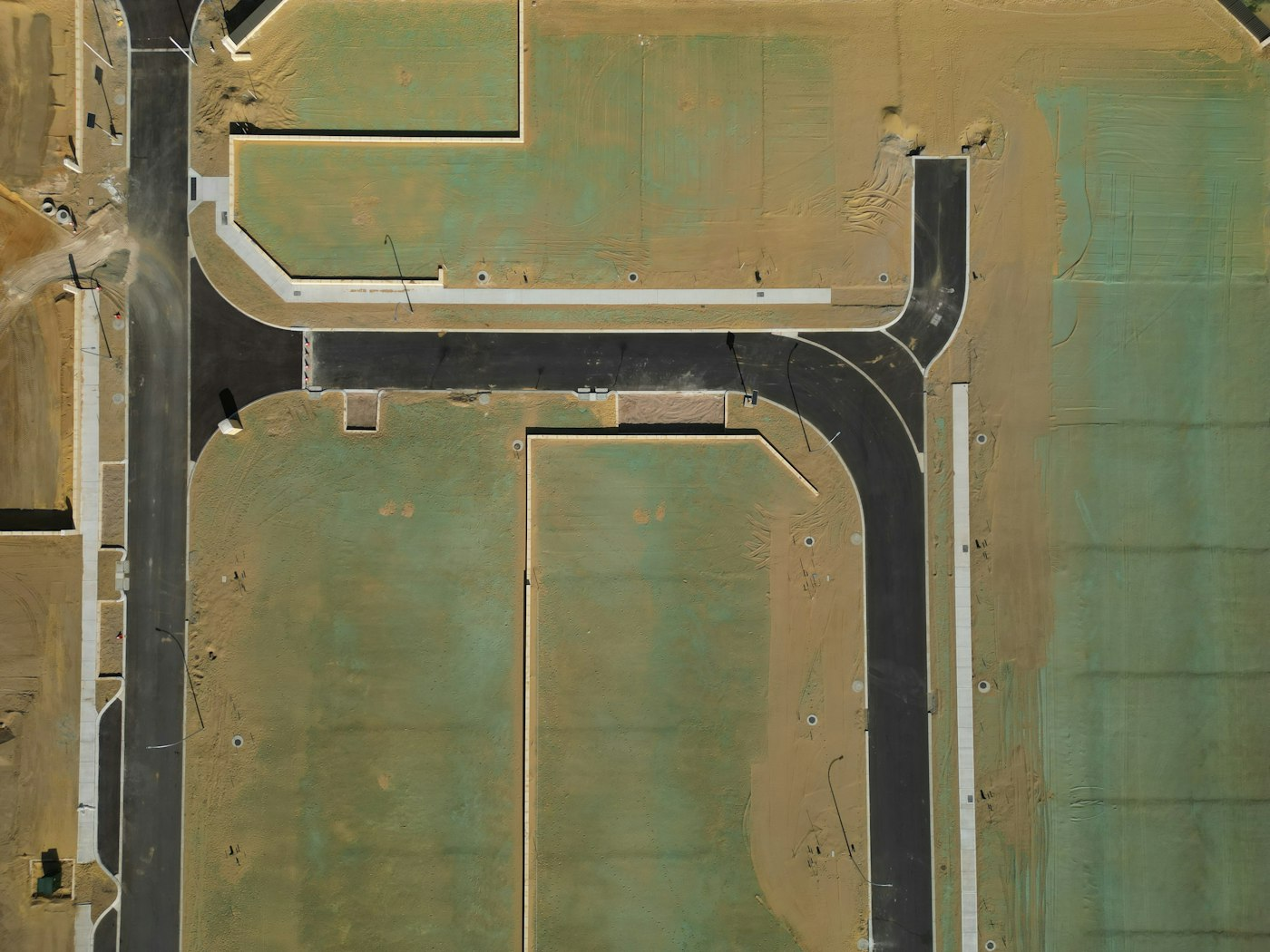
New communities may still be under construction when you move in, with ongoing noise and unfinished amenities. Landscaping may be young, and window coverings and other finishing touches may be your responsibility. Many new communities also have associations with their own rules and fees.
The appeal of resale homes
Resale homes are often in established areas, with mature trees, completed roads and nearby services. What you see is what you get, which makes it easier to evaluate the home and its surroundings. Resale homes can offer architectural character, larger lots or features that are less common in newer construction.
The timeline is usually more predictable. Once you are under contract, closing often follows a set schedule.
The tradeoffs of buying resale
Older homes may need updates or repairs, and major systems may be closer to the end of their useful life. A careful inspection is especially important. You may also want to budget for projects, from cosmetic updates to bigger replacements.
In resale transactions, there is usually more room to negotiate on price and terms based on condition. With new construction, builders may be less flexible on price but sometimes offer incentives, which should be compared carefully.
Questions to help you decide
- How flexible is my move-in timeline?
- Do I want to choose finishes, or would I rather see the finished product?
- How much maintenance and renovation am I comfortable taking on?
- How important are established surroundings and mature landscaping?
- What are the association rules and fees in each option?
Whichever direction you choose, an independent inspection and a careful review of contracts are worth the effort. Builder contracts in particular can differ from standard resale contracts, so consider having a real estate attorney review one before you sign. To explore both kinds of homes, reach us through our contact page.
Putting It Into Practice: Questions to Ask Before You Choose
Once you have a sense of the tradeoffs, the next step is to gather specifics. Here are questions that help you evaluate each type of home on its own terms.
For new construction
- What is included in the base price, and what counts as an upgrade?
- What does the builder’s warranty cover, and for how long? How are warranty claims submitted?
- What is the estimated completion date, and what happens if construction is delayed?
- Does the builder allow independent inspections during construction and before closing?
- Are incentives tied to using a particular lender or closing attorney? How do those terms compare with other options?
- How many homes remain to be built in the community, and when are amenities expected to be finished?
For resale homes
- How old are the roof, HVAC system, water heater, and major appliances?
- What updates have been made, and were permits obtained?
- What does the seller’s disclosure reveal about past repairs or issues?
- What do recent comparable sales suggest about value?
- What projects would I want to tackle in the first few years, and what might they involve?
Comparing the Full Cost of Each Option
The purchase price is only one part of the decision. A complete comparison includes what you will spend in the first several years.
- Window coverings and finishing touches: New homes often need blinds, curtains, and sometimes items like gutters or fencing that resale homes may already have.
- Landscaping: New construction yards may start with sod and a few small shrubs. Established resale yards may need trimming or tree work.
- Near-term repairs: Resale homes may need replacements sooner. Inspection findings can help you estimate what to budget.
- Utility costs: Newer homes may be more efficient, but ask for estimates for both options.
- Association fees: Compare dues and what they cover in each community.
- Property taxes: Taxes on newly built homes may change once the completed home is fully assessed. Ask the county tax office how this works.
Common Mistakes on Both Paths
- Visiting a new community without your own agent. Builders’ sales representatives work for the builder. Some builders require that your agent accompany you on your first visit.
- Skipping inspections on new homes. Independent inspections before drywall and before closing can catch issues while they are easier to fix.
- Overspending on upgrades. Choose upgrades that matter most to you and are hard to change later, such as structural options, rather than finishes you could update over time.
- Underestimating a resale project. Get contractor estimates during your inspection period for any major work you plan.
- Ignoring the surroundings. In new communities, check what is planned for nearby land. In established areas, look at nearby roads and development plans.
Questions Readers Ask
Can I negotiate with a builder?
Builders may be less flexible on base price but sometimes offer incentives, such as help with closing costs or upgrades. We can help you compare offers and understand what is negotiable.
Is a model home the same as the home I will get?
Model homes often showcase upgrades. Ask which features are standard and which cost extra.
How long is a typical builder warranty?
Warranty terms vary by builder and often cover different components for different lengths of time. Ask for the written warranty and read it before you sign the contract.
Do new homes appraise differently?
Appraisers use comparable sales, which may include other new homes in the community. A lender can explain how appraisal works for new construction.
Builder contracts can differ significantly from standard resale contracts, so consider having a real estate attorney review one before you sign.


