
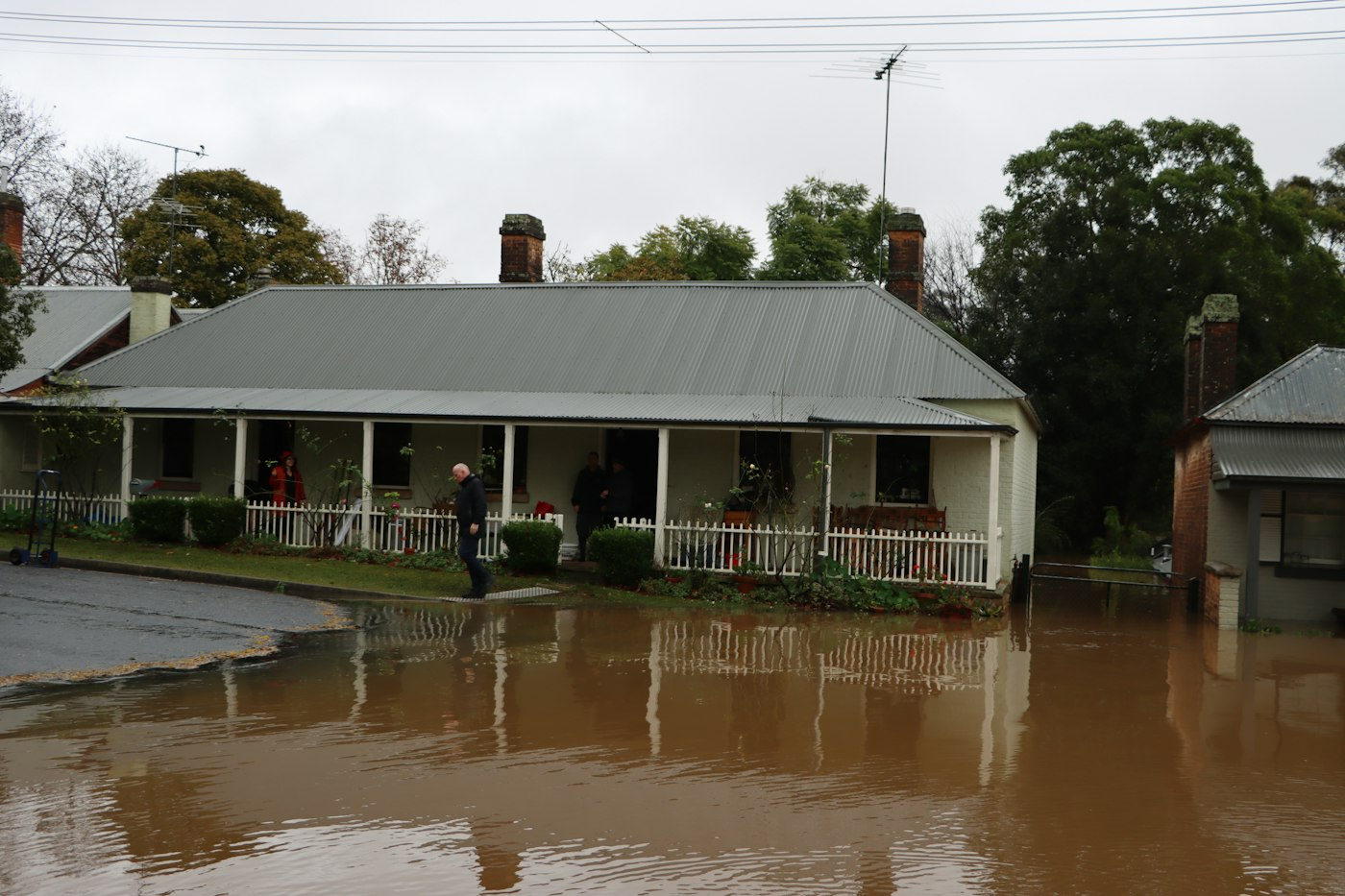
Few things send a new homeowner to the policy faster than water on the floor, and few areas of insurance cause more confusion. How a claim is treated often depends on where the water came from and how it got in. Here are some common myths, along with the general facts. Policies vary, so use this as a starting point for a conversation with a licensed insurance professional.
Myths about everyday leaks
Myth: Homeowners insurance covers any water damage. Fact: Many policies distinguish between damage that is sudden and accidental, such as a burst pipe or a washing machine hose that splits, and damage that develops over time, such as a slow drip under a sink that rots the cabinet. The first is often covered. The second is frequently treated as a maintenance issue and excluded.
Myth: Mold is covered whenever the water is. Fact: Many policies limit or exclude mold, even when the water event that caused it is covered. Drying things out quickly after a leak matters for your home and for your claim.
Myths about floods
Myth: If a storm floods my home, my homeowners policy will pay because storms are covered. Fact: Standard homeowners policies generally exclude flood, meaning surface water that rises and enters the home, including storm surge and overflowing rivers or streams. Flood coverage usually requires a separate policy, available through the National Flood Insurance Program and from some private insurers. The program’s official site, FloodSmart.gov, explains how it works.
Myth: I can buy flood insurance when a storm shows up in the forecast. Fact: New flood policies typically have a waiting period before coverage begins, with limited exceptions, such as some policies purchased in connection with a home loan. Buying once a storm is approaching is usually too late for that storm.
Myth: Only homes in high-risk flood zones flood. Fact: Flooding can and does happen outside mapped high-risk areas, from heavy rain, poor drainage or overwhelmed storm sewers. Flood maps describe risk; they do not draw a line that water respects.
Myths about backups and storms
Myth: Water coming up through a floor drain is treated like any other leak. Fact: Water that backs up through sewers or drains is often excluded from standard coverage unless you add a specific endorsement, sometimes called water backup or sump overflow coverage. It is worth asking whether your policy includes it.
Myth: Rain that gets inside during a storm is always covered. Fact: Many policies cover rain damage when wind, hail or a falling tree first creates an opening in the roof or walls. Rain that seeps through an aging roof or a worn window seal without storm damage may be treated differently.
Turning facts into action
- Read the water, flood and mold sections of your policy and note any endorsements.
- Ask your agent whether water backup coverage and flood insurance make sense for your home.
- Learn where your main water shutoff is and how to close it quickly.
- Replace old washing machine hoses and look under sinks regularly for drips.
- After any water event, stop the source if you safely can, photograph the damage and contact your insurer promptly.
Insurance rules differ by state and insurer, and only your policy and a licensed professional can tell you how a particular situation would be handled. Knowing the general patterns helps you ask the right questions before the water arrives.
A Water-Readiness Plan for Your Home
Knowing the general rules is helpful, but having a plan for the moment water appears is what protects your home and your claim. Here is a simple plan you can put together in an afternoon.
Know your shutoffs
- Find the main water shutoff valve and make sure everyone in the household knows where it is and how to turn it.
- Locate the individual shutoff valves under sinks, behind toilets and behind the washing machine.
- Find the water heater’s cold water supply valve.
- Label each valve with a tag so it is easy to identify in a hurry.
Know your policy
- Save a copy of your declarations page and policy on your phone.
- Write down your insurer’s claims phone number and website.
- Note whether you have flood insurance, water backup coverage or any mold limits.
Know your helpers
- Choose a plumber you would call in an emergency before you need one.
- Ask your insurer whether it has a list of water mitigation companies or preferred vendors.
- Keep these contacts with your insurance information.
What to Do in the First Hours After Water Damage
Every situation is different, and safety always comes first. In general:
- Stay safe. If water is near electrical outlets, appliances or the panel, do not enter standing water. Call a professional or the utility if you are unsure.
- Stop the source. Turn off the water at the nearest valve or the main shutoff if you can do so safely.
- Document everything. Take photos and video of the water, the damage and the source before cleanup begins.
- Contact your insurer. Report the loss promptly and ask what they need from you.
- Prevent further damage. Move belongings out of the wet area, start drying the space and keep receipts for any emergency supplies or services.
- Keep damaged items until told otherwise. Your insurer may want to see them before you discard them.
Common Water-Damage Mistakes
- Waiting to report a leak. Delays can allow damage and mold to spread, and may complicate a claim.
- Ignoring small drips. A slow leak that continues for months can cause significant damage that may not be covered.
- Assuming flood insurance can wait. Waiting periods mean coverage may not be in place when you need it.
- Skipping maintenance. Old supply lines, worn seals and clogged gutters are common sources of water damage.
Questions Homeowners Ask About Water and Insurance
Is a water heater leak covered?
Many policies treat sudden water damage from a failed water heater differently from a slow leak or the cost of the water heater itself. Ask your agent how your policy handles each part.
Do water leak sensors make a difference?
Leak sensors and automatic shutoff valves can help catch problems early. Some insurers offer discounts for them, so it is worth asking.
Can I add water backup coverage at any time?
Often it can be added at renewal or mid-term, though insurers may have rules or waiting periods. Ask your agent about timing.


