
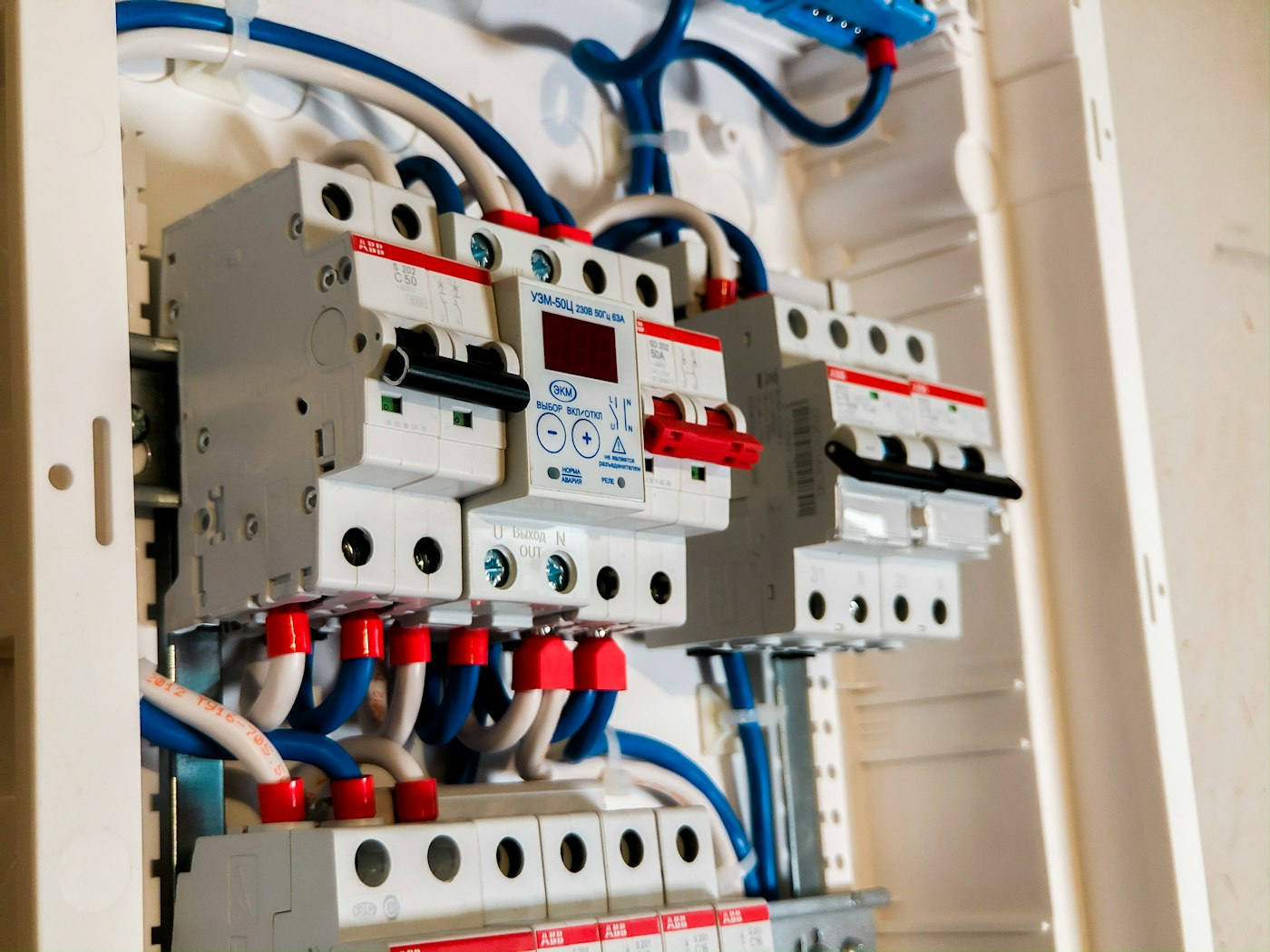
Most new homeowners find the breaker panel during the first week and discover that its labels are faded, vague or wrong. A breaker marked “kitchen” might control half the kitchen and a bedroom, and some breakers have no label at all. Mapping your circuits is a simple weekend project that makes troubleshooting easier, helps any electrician you hire and lets you shut off the right circuit quickly when you need to.
Safety ground rules
This project involves switching breakers off and on, not working inside the panel. Do not remove the panel’s cover, which exposes live parts. If the panel has scorch marks, a burning smell, rust, water stains or breakers that feel hot, stop and call a licensed electrician. Stand on a dry surface, keep a flashlight handy and warn everyone in the house before you start, since lights and devices will turn off. Save work on computers and shut down sensitive electronics first.
What you need
- A helper with a phone, or a plug-in radio or lamp you can hear or see from the panel
- A simple plug-in outlet tester or a small lamp
- A floor plan sketch with every room, outlet, switch and hardwired appliance marked
- Painter’s tape and a pen for temporary labels
Map circuit by circuit
Turn on every light and plug a lamp or tester into each outlet in one area. Switch off one breaker, then have your helper walk the house and report what went dark. Mark those outlets, lights and appliances on your floor plan with the breaker’s number. Turn the breaker back on and move to the next. Keep in mind that the two halves of a single outlet are sometimes on different circuits, and that larger appliances, such as an electric range, electric dryer, electric water heater or central air conditioner, typically use double breakers.
Check outdoor outlets, the garage, the attic fan, the doorbell, the garbage disposal and the sump pump, if you have one. Those are the circuits people most often forget.
Label it clearly
Once every breaker is traced, write a new directory that names specific rooms and items, such as “primary bedroom outlets and ceiling fan” or “kitchen counter right of sink.” Tape it inside the panel door, and keep a photo on your phone and in your home file. Note which outlets are protected by GFCI or AFCI devices and where their reset buttons are.
What the map can tell you
Mapping often turns up useful information. A breaker that trips often, a circuit that powers an odd mix of rooms or a kitchen with very few circuits may be worth discussing with an electrician, especially if you plan to add window air conditioners, a home office or new appliances. Summer loads from fans, dehumidifiers and cooling equipment can expose an overloaded circuit. A licensed electrician can tell you whether changes are needed and handle any work inside the panel safely.
An afternoon with a helper and a roll of tape gives you a panel you can trust. The first time a breaker trips during a summer storm, you will be glad you did it.
A Worked Example: Mapping One Floor
Seeing the process step by step makes it easier to picture. Here is how one weekend session might go for the main floor of a typical home.
- Prepare the map. Sketch the main floor, marking every outlet with a small circle, every switch with a square and every hardwired appliance by name. Number each item.
- Set up the testers. Plug a lamp or outlet tester into every outlet you can, and turn on every light.
- Start at breaker one. Switch it off. Your helper walks the floor and reports that the living room ceiling fan, two outlets on the west wall and the front porch light went dark.
- Record and restore. Write “1” next to each of those items on your sketch, then turn the breaker back on.
- Repeat. Move through each breaker in order. When a breaker shuts off nothing on this floor, note it and come back to it when you map the upper floor, basement or exterior.
- Check both halves of outlets. Plug the tester into the top and bottom receptacles of a few outlets, since some are split between circuits.
- Write the directory. Translate your sketch into clear labels for the panel door.
Making Your Panel Map Useful Over Time
A panel map is most valuable when it stays accurate. A few habits keep it current:
- Update the directory whenever an electrician adds or changes a circuit.
- Keep a digital copy of the map and the directory with your home records.
- Note any circuits that share a neutral or that an electrician has flagged for attention, if they tell you.
- Test GFCI outlets periodically using their test and reset buttons, according to the manufacturer’s guidance.
- Show other adults in the household where the panel is and how to read the directory.
Common Mistakes When Mapping a Panel
- Working alone without a way to check. Walking back and forth for every breaker is slow and easy to get wrong. A helper or a loud radio speeds things up.
- Forgetting outdoor and hidden loads. Exterior outlets, well pumps, irrigation controllers and attic fans are easy to miss.
- Turning off breakers that serve medical or critical equipment. Plan around any equipment in your home that must stay powered.
- Assuming double breakers serve two circuits. A double-pole breaker often serves a single large appliance.
- Removing the cover to see the wiring. Leave anything behind the panel cover to a licensed electrician.
Questions Homeowners Ask About Breaker Panels
What should I do when a breaker trips?
Unplug or turn off devices on that circuit, then reset the breaker by switching it fully off and back on. If it trips again right away, or trips often, call a licensed electrician.
Is there a subpanel I should map too?
Some homes have a second panel in a garage, basement or addition. Map it the same way, and note which breaker in the main panel feeds it.
Does mapping help during a power outage?
Yes. Knowing which circuits serve which areas helps you plan which items to turn off when power returns, so the system is not hit with every load at once, and helps an electrician safely connect a generator if you ever install one.


