
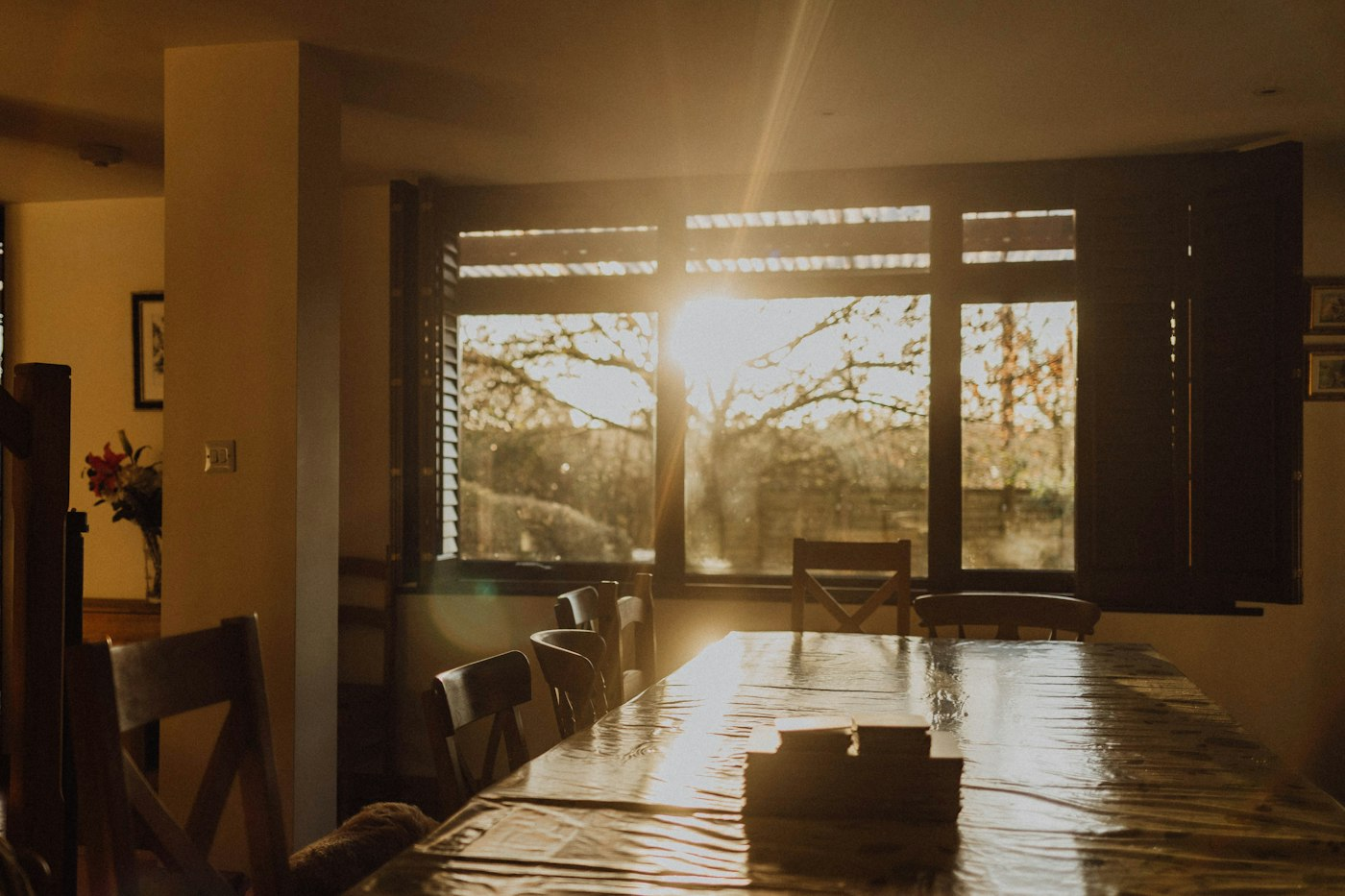
Ask buyers what they want in a home and natural light is near the top of nearly every list. Light makes rooms feel larger, surfaces look cleaner and colors read true. It is also one of the few things a seller can dramatically improve in a weekend, often without buying much more than bulbs. Here is how to light a home for the market.
Let the daylight in
- Wash the windows inside and out. Grime cuts the light more than most people realize.
- Open every blind and curtain fully for photos and showings. Tie back or temporarily remove heavy drapes that swallow the window.
- Trim shrubs and branches that shade windows, especially on the sunny side of the house.
- Remove screens from key windows during the listing period if it noticeably brightens a room.
- Place a mirror opposite a window in a dark room to bounce light deeper into the space.
- Keep interior doors open so light travels from room to room.
Fix the bulbs
Walk the house and look at every fixture with the lights on. Replace burned-out bulbs, including in closets, the garage and the basement. Then look at consistency. Mixed bulb colors make a room look patchy; pick one warm white color temperature and use it throughout the main living areas, and make sure the bulbs in a single fixture match. Check brightness too. Rooms with a single overhead light often need brighter bulbs or a lamp or two to feel inviting. Clean the fixtures and shades, which collect dust and dim the light.
Layer the light
Well-lit rooms combine three kinds of light: overhead for general brightness, task light where people work, such as under cabinets or beside a reading chair, and accent light that adds warmth, such as a table lamp or a picture light. Add a floor or table lamp to dark corners, especially in living rooms and bedrooms. In kitchens, under-cabinet lighting makes counters look clean and spacious. In bathrooms, make sure the vanity light is bright and flattering, not harsh.
While you are at it, consider the fixtures themselves. A dated fixture is one of the first things buyers notice, and swapping one is a modest project. Prioritize the entry, the dining room and the kitchen, where fixtures are most visible. Choose simple designs in a finish that matches the hardware nearby. Replace yellowed or cracked switch plates and dimmers at the same time.
Time showings and photos to the sun
Every house has a bright time of day. Note when each main room gets its best light and tell your agent, so photos can be scheduled accordingly: morning for east-facing rooms, afternoon for west. For showings, leave every light on, including lamps and closets, regardless of the hour. For evening showings, make sure exterior lights work and consider timers so the porch and path are lit when buyers arrive.
A quick lighting checklist
- Windows clean, blinds open, drapes pulled back.
- Every bulb working and matching.
- Lamps added to dark corners.
- Fixtures cleaned, dated ones swapped where visible.
- Exterior lights working and on timers.
- All lights on for every showing.
None of this changes the house. It changes how the house is seen, which in a showing is nearly the same thing.
Room-by-Room Lighting Tips
Every room has its own lighting challenges. A few targeted adjustments can make a big difference during showings.
Entry and hallways
These are often the darkest parts of a home. Make sure overhead fixtures are bright and working, and add a small lamp on a console table if space allows. A well-lit entry sets the tone for the whole showing.
Living room
Combine overhead light with at least two lamps placed at different heights. Avoid leaving one corner dark, which can make the room feel smaller.
Kitchen
Turn on overhead lights, pendants and under-cabinet lights. Clean light covers and the range hood light. Bright, even light shows off counters and cabinets.
Bedrooms
Use bedside lamps along with overhead lighting. Soft, warm light helps bedrooms feel restful, but make sure there is enough to see the space clearly.
Bathrooms
Bright, even lighting at the vanity is important. Replace dim or mismatched bulbs and clean mirror edges and fixture covers.
Basements and bonus rooms
These spaces often have limited natural light. Add lamps, use brighter bulbs and leave all lights on so buyers see the space as usable rather than gloomy.
Lighting Mistakes to Avoid
- Bulbs that are too cool. Very cool, bluish light can make a home feel clinical in living areas. A warm or soft white is usually more welcoming.
- Bulbs that are too bright for the fixture. Always follow the wattage rating on each fixture.
- Leaving lights off to save energy. During showings, every light should be on so buyers can see each room clearly.
- Forgetting closets and pantries. Buyers open doors. A lit closet looks larger and cleaner.
- Ignoring the exterior. Burned-out porch lights or garage lights can make a home look neglected, especially at evening showings.
A Showing-Day Lighting Routine
- Open every blind and curtain.
- Turn on every overhead light, lamp and under-cabinet light.
- Turn on closet, pantry and laundry room lights.
- Switch on porch and landscape lights for late-day showings.
- Check that no bulbs have burned out since the last showing.
Keeping a small supply of matching replacement bulbs on hand makes this routine quick and easy throughout the listing period.
What This Means for Your Sale
Lighting is one of the least expensive ways to change how buyers experience a home. Clean windows, matching bulbs and a few well-placed lamps can make rooms feel larger and better cared for, both in listing photos and in person. Because the work is quick, it is also easy to repeat: once your lighting is set, the routine before each showing takes only a few minutes. Pair good light with a clean, decluttered home, and buyers can focus on the space itself rather than the shadows in it.
Lighting Questions Sellers Ask
Should I switch to LED bulbs before listing?
Many sellers do, since LEDs come in a range of color temperatures and use less energy. Choose a consistent color across the home.
Do I need to replace every fixture?
No. Focus on the most visible fixtures and the ones that look most dated or damaged.
What about smart lighting?
Smart bulbs or switches can make it easy to turn lights on before showings, but simple timers work well too.


