
Few people enjoy packing, but a good system can make it far less painful. The key is to start earlier than you think you need to, work in a logical order and label everything clearly. Your future self, standing in a new kitchen looking for a coffee mug, will thank you.
Gather supplies before you start
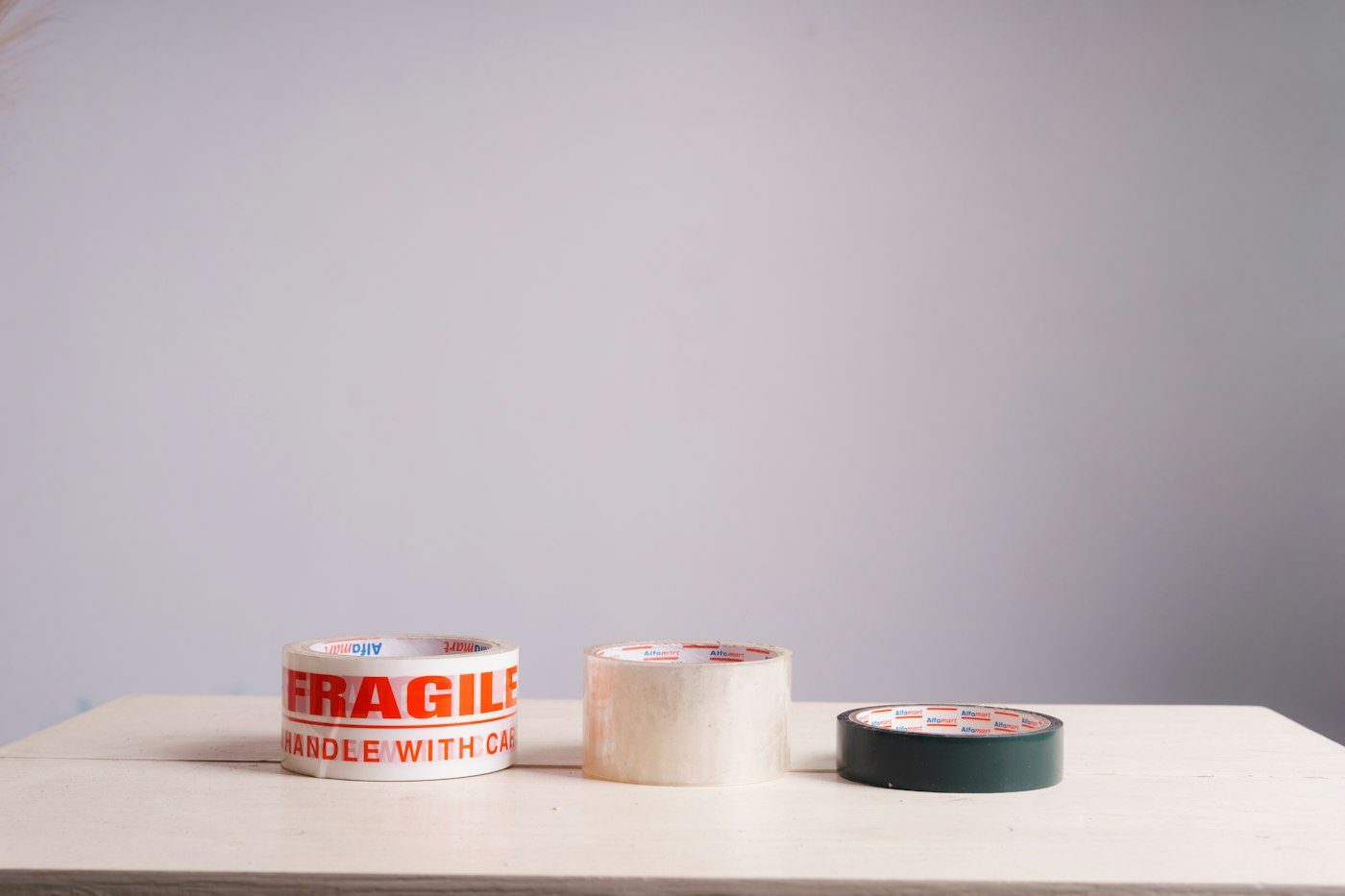
Running out of tape halfway through a room breaks momentum. Stock up on:
- Boxes in several sizes, with smaller ones for heavy items like books.
- Packing tape and a tape dispenser.
- Packing paper or other wrapping material for fragile items.
- Permanent markers and labels.
- Plastic bags for hardware like screws and bolts.
- Bins for items that must stay dry.
Pack from least used to most used
Start with the things you will not need before the move: off-season clothing, decorations, books, guest room items, stored belongings and collections. Then move into rooms you use less often. Save the kitchen, bathroom and bedroom essentials for the last few days.
Work room by room and finish one before starting the next. Mixing items from different rooms in a box makes unpacking much harder.
Label like a pro
Label each box on the top and at least one side with the room it belongs in and a short description of the contents. Some people use a color for each room, with matching tape or stickers on the doors in the new home, so movers know exactly where each box goes.
Number your boxes and keep a simple list. If a box goes missing, you will know what was in it. Mark fragile boxes clearly and note which side should face up.
Smart packing techniques
- Put heavy items in small boxes and light items in large ones.
- Fill empty spaces in boxes with towels or paper so items do not shift.
- Wrap dishes individually and stand plates on their edges.
- Take photos of electronics before disconnecting them so reassembly is easier.
- Bag and tape hardware to the furniture it belongs to.
- Keep important documents, medications and valuables with you rather than on the truck.
The open-first box
Pack one or two boxes, clearly marked, with everything you will need the first day and night: bedding, towels, toiletries, chargers, basic tools, a few dishes and utensils, snacks, cleaning supplies, trash bags, toilet paper and a change of clothes. Put these boxes in your car or load them onto the truck last so they come off first.
Take breaks and set daily goals rather than trying to pack the entire house in one marathon session. A steady pace keeps you from burning out before moving day. If you are planning a move and need help with the home search, reach us through our contact page.
A Room-by-Room Packing Order
Knowing what to pack first is half the battle. A simple sequence keeps the house livable until the last few days.
- Storage areas. Attics, basements, sheds and the back of closets usually hold items you will not touch before the move. They also take the longest, so begin here.
- Guest rooms and formal spaces. Pack décor, extra linens, artwork and rarely used dishes from dining rooms or sitting rooms.
- Books, media and hobbies. These are heavy and easy to box, and you can live without most of them for a few weeks.
- The garage. Keep a small set of tools out, then pack seasonal equipment and supplies. Use up or properly dispose of paint, chemicals and fuel, since movers often will not carry them.
- Closets. Pack off-season clothing and shoes, and leave out about a week’s worth of everyday items.
- The kitchen. Pack specialty cookware and extra dishes first, then keep a small set of plates, cups and a pan until the final days.
- Bathrooms and bedrooms. These come last, along with the open-first boxes.
A Simple Packing Timeline
Every move is different, but a rough timeline helps keep you on pace.
- Six to eight weeks out: declutter, sell or donate what you will not take, and collect supplies.
- Four weeks out: pack storage areas, guest rooms, books and décor.
- Two weeks out: pack the garage, most of the kitchen and closets. Confirm movers or a truck reservation.
- The last week: pack remaining bedrooms and bathrooms, defrost the freezer if it is moving, and prepare the open-first boxes.
- Moving day: strip beds, pack the last toiletries and do a final walk through every closet, cabinet and drawer.
Packing Mistakes That Cost Time
A few common slip-ups can make the move harder than it needs to be:
- Overfilling large boxes. A big box full of books is hard to lift and more likely to break. Keep heavy loads small.
- Leaving boxes half full. Boxes with empty space can crush when stacked. Fill gaps or use a smaller box.
- Vague labels. “Misc.” or “Stuff” does not help on the other end. Even a few words like “bathroom, towels and hair dryer” make unpacking faster.
- Packing what you should have tossed. Every box costs time, tape and effort. Sort first, then pack.
- Forgetting the small spaces. Drawers in the laundry room, the cabinet over the refrigerator and the hall closet shelf are easy to miss on the last day.
- Packing the essentials too early. If you need it every day, it belongs in the final boxes or with you in the car.
When You Are Also Selling the House
If your current home is on the market while you pack, the boxes can actually help. Packing out clutter, extra furniture and personal photos early makes rooms look larger and cleaner for buyers. A few tips keep the house show-ready:
- Stack packed boxes neatly in one area, such as a corner of the garage or a storage room, rather than spreading them through the living spaces.
- Keep main rooms, the kitchen and bathrooms as clear as possible.
- Consider a short-term storage unit if boxes begin to crowd the house.
- Leave closets partly empty so buyers can see how much space they offer.
Quick Answers About Packing
How many boxes will I need?
It depends on the size of the home and how much you own. It is better to buy a few extra than to stop in the middle of a room. Unused boxes are easy to pass along to someone else who is moving.
Should I empty dresser drawers?
Ask your movers. Some prefer drawers to be emptied so furniture is lighter and safer to carry. Others will move light, soft items in place.
What should never go on the moving truck?
Keep important papers, medications, jewelry, cash, keys and anything irreplaceable with you, along with phone chargers and the paperwork for your closing.


