
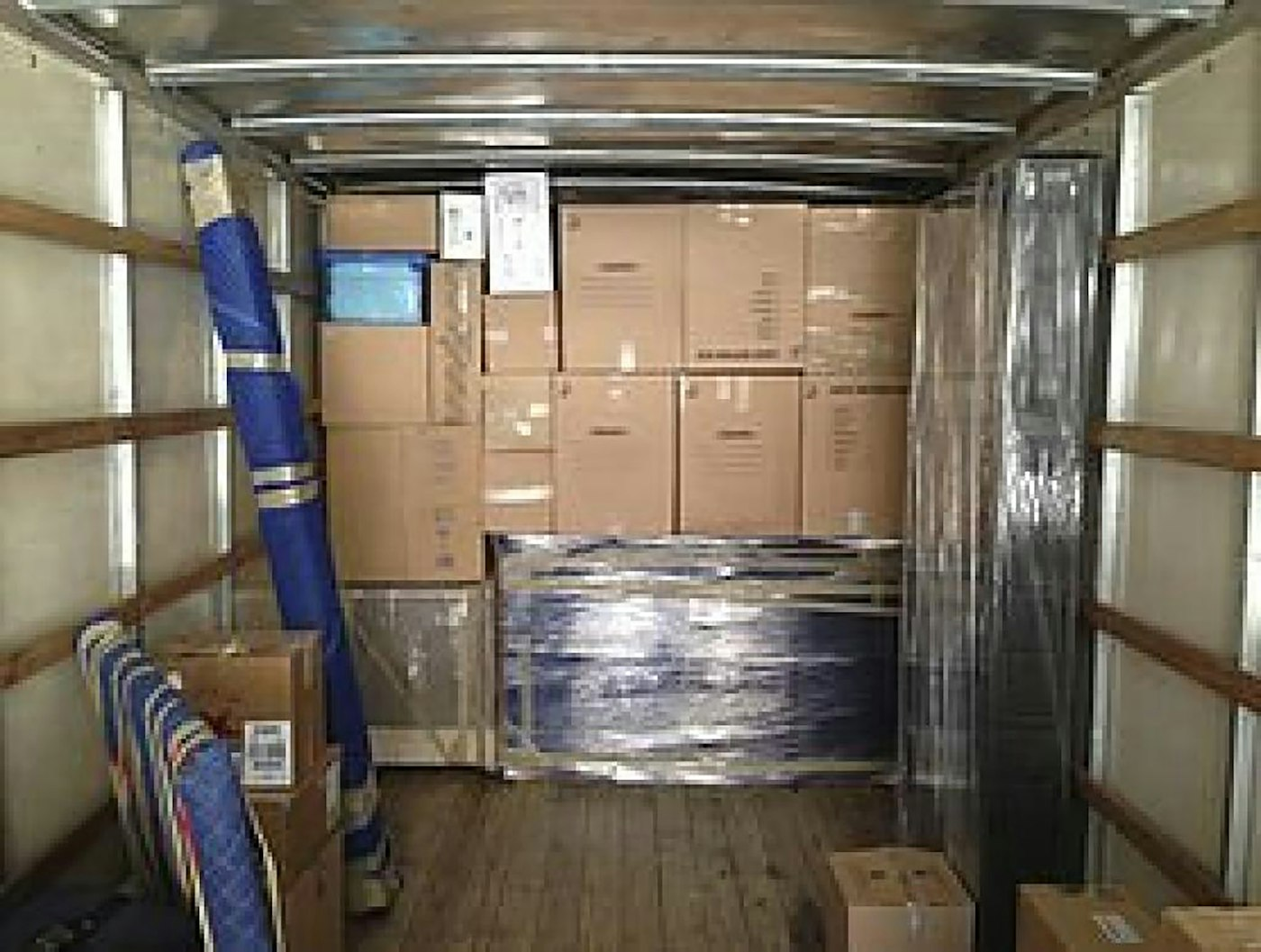
Every move starts with the same question: do we hire this out or do it ourselves? There is no universal answer, because the right choice depends on how far you are going, how much you own, how much time you have and how much risk you are willing to carry. Here is a way to think it through.
The three approaches
Full-service movers load, transport and unload, and can pack and unpack as well. You trade money for time and physical effort, and you get a company that is responsible for your belongings in transit.
Do-it-yourself means renting a truck, recruiting helpers, and doing all of the lifting. It is usually the least expensive option and gives you full control of the schedule, at the cost of your weekend and your back.
Hybrid options fill the middle. You can rent a truck and hire hourly labor just for loading and unloading, or use portable containers that a company drops off, you pack, and they transport. These suit people with time to pack but no desire to drive a large truck or carry a piano.
Factors that tip the decision
- Distance. A move across town can be done in trips; a move across the country favors professionals or containers.
- Volume. A studio apartment is a friends-and-pizza job. A full house with a garage and a basement is a different scale.
- Access. Stairs, elevators, long walks from the truck and tight streets add time and strain.
- Specialty items. Pianos, safes, large appliances, antiques and oversized furniture are often worth hiring out even if nothing else is.
- Time and help. If you are closing and moving on a tight timeline, or your helpers are unreliable, paying for labor buys certainty.
- Physical risk. Injuries during do-it-yourself moves are common. Be honest about your limits.
Vetting a moving company
If you hire, do a little homework before you sign:
- Get written estimates from several companies based on an in-home or video survey, not a phone guess. Ask whether an estimate is binding.
- Ask what is included and what costs extra: stairs, long carries, shuttle trucks, packing materials, storage.
- Understand the valuation coverage options. The basic coverage included in many moves pays very little per pound; fuller protection costs more. Ask what each covers.
- For a move across state lines, the company must be registered with the Federal Motor Carrier Safety Administration, which publishes consumer guidance and a mover lookup at fmcsa.dot.gov. For in-state moves, check your state’s licensing requirements.
- Be cautious of unusually low quotes, large deposits and companies without a physical address.
Making a do-it-yourself move work
Reserve the truck early, especially for spring weekends, and choose a size with room to spare. Rent or borrow a dolly, furniture pads and straps. Load heavy items first and low, distribute weight evenly, and fill gaps so nothing shifts. Give helpers clear jobs and feed them well. Plan for weather with tarps and floor protection. Take your time on the drive; a loaded truck handles differently than a car.
A simple way to decide
Price out all three approaches for your actual move, then add the honest cost of your time, your helpers’ goodwill and the risk of damage or injury. Often the answer is a hybrid: hire out the heavy lifting and do the packing yourself. Whatever you choose, booking early is what keeps the options open.
Coordinating the Move With Your Closing
When a move is tied to a home purchase or sale, timing becomes the hardest part. A few planning steps help the move and the closing line up:
- Know your possession date. Your contract determines when you must be out of your current home and when you can move into the new one. Book movers or a truck around those dates, not just the closing date.
- Build in a cushion. Closings can shift by a day or more. If possible, avoid scheduling movers for the exact hour of closing.
- Plan for a gap. If you must leave one home before you can enter the next, ask about storage-in-transit options or short-term storage.
- Coordinate utilities. Schedule electricity, water, internet and trash service to start at the new home before moving day and stop at the old one after you leave.
- Protect both homes. Floor runners, door-frame protectors and moving blankets prevent damage that could become a problem for a buyer’s walk-through.
A Moving Week Checklist
- Confirm the date, arrival window and contact information with movers or the rental company.
- Reserve parking or loading space if access is tight.
- Defrost and clean the refrigerator and freezer if they are moving.
- Set aside important documents, medications, valuables and chargers to travel with you.
- Pack your open-first boxes and keep them separate from the load.
- Arrange care for children and pets on moving day.
- Have cash or payment ready for tips, tolls or unexpected costs.
- Do a final walk-through of every room, closet and cabinet before leaving.
Mistakes That Make Moving Day Harder
- Booking too late. Spring and early summer weekends fill quickly for both moving companies and rental trucks.
- Underestimating volume. Garages, sheds and attics often hold more than people expect. Include them when getting estimates or choosing a truck size.
- Skipping the inventory. A simple list of boxes and major items makes it easier to spot anything missing or damaged.
- Leaving packing to the movers’ arrival. If movers are not packing, unfinished boxes slow the job and may increase hourly costs.
- Forgetting the weather. Spring rain is common in North Georgia. Plan for wet floors, slick ramps and covered loading if you can.
What This Means for You
The best moving plan is the one that matches your actual move, not someone else’s. A short local move with a small household and willing helpers can be a simple do-it-yourself project. A larger home, a tight closing schedule or a long-distance move usually justifies professional help for at least part of the job. Deciding early, and getting your choice on the calendar, gives you room to adjust if the closing date changes.
Moving Questions We Hear
How far ahead should I book?
As early as your dates are reasonably firm. For busy seasons, several weeks ahead is wise.
Should I tip movers?
Many people do, especially for long or difficult moves, but it is a personal choice. Drinks and snacks on a long day are always appreciated.
What if something is damaged?
Note it on the paperwork before signing, take photos and follow the company’s claim process promptly.


