
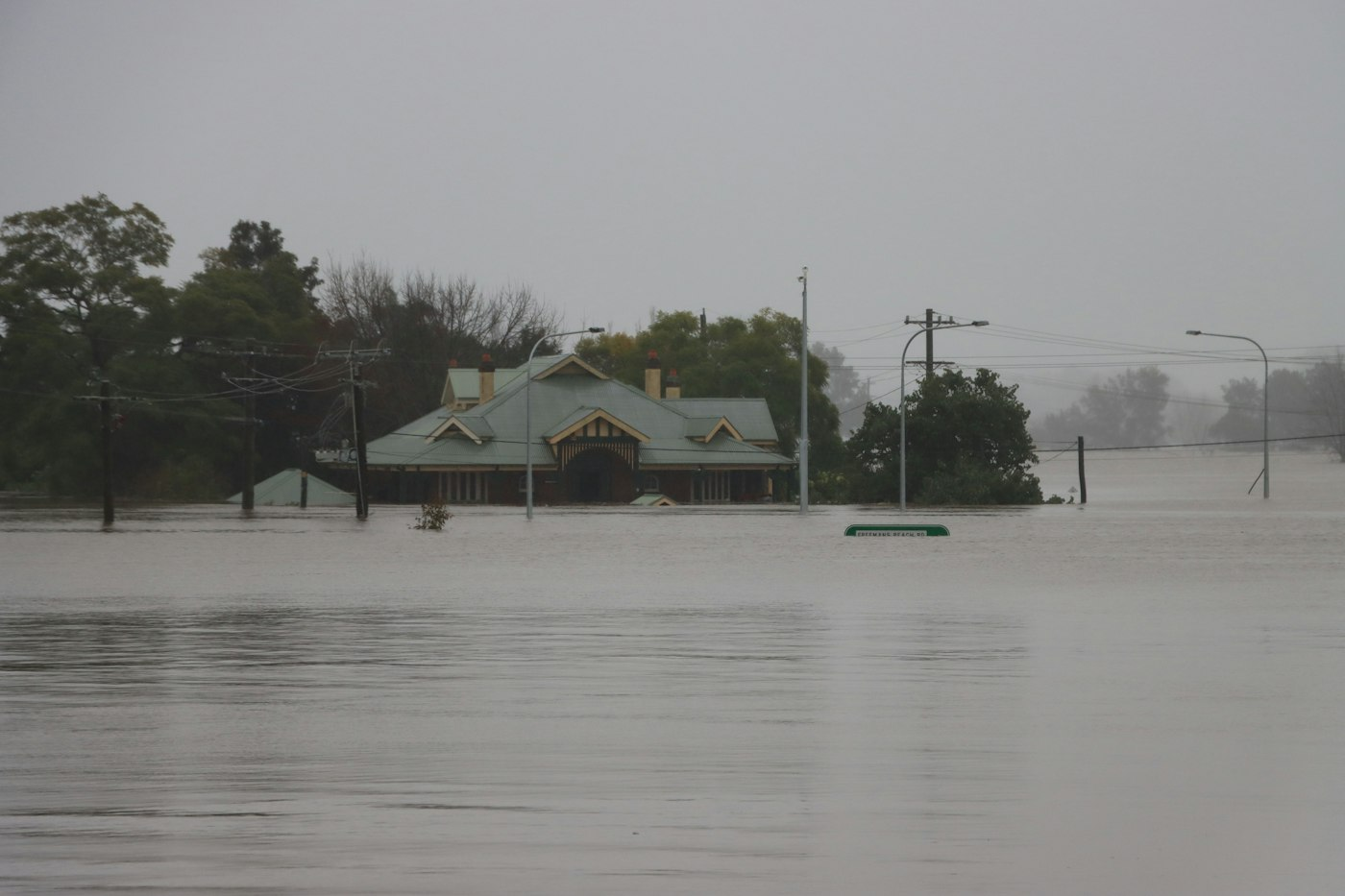
Water damage from a flood is one of the costliest things that can happen to a home, and it is also one of the least understood parts of buying one. Many buyers assume their homeowners insurance covers flooding; it generally does not. Others assume a home far from a river is safe; it may not be. Here is what to know and what to ask before you sign a contract.
What flood zones are
The Federal Emergency Management Agency publishes flood maps that divide land into zones based on estimated flood risk. Areas with the highest mapped risk are called Special Flood Hazard Areas and carry zone labels beginning with A or V; V zones are coastal areas with additional wave hazards. Zones labeled X are considered moderate or minimal risk. The maps are updated over time, so a property’s designation can change, and a home can be in a low-risk zone and still flood from heavy rain, poor drainage or an overwhelmed storm system.
How to check a property
- Look up the address on FEMA’s Flood Map Service Center at msc.fema.gov.
- Ask the seller whether an elevation certificate exists. It documents how the structure sits relative to expected flood levels and can affect insurance pricing.
- Contact the local floodplain administrator, usually in the city or county planning or building department, who can explain the maps and any local requirements.
- Ask your insurance agent for a flood insurance quote before your contingency deadlines pass, so the cost is known while you can still decide.
How flood insurance works
Flood insurance is a separate policy. It is available through the National Flood Insurance Program, administered by FEMA, and from some private insurers. If you are using a federally backed mortgage and the home is in a high-risk zone, your lender will require coverage. Outside those zones, coverage is optional but available, and many homes that flood are outside high-risk zones. Policies often have a waiting period before coverage begins, so purchase it early rather than at the last minute. Coverage for the building and for contents are typically separate, with their own limits and deductibles. Your insurance agent can explain the details for a specific property.
Questions to ask the seller
- Has the property or any structure on it ever flooded or taken water, and when?
- Have any flood insurance claims been filed?
- Is there an elevation certificate, and may I have a copy?
- Does the home have flood vents, a sump pump, backflow valves or other mitigation?
- Have there been drainage problems in the yard, street or neighborhood?
Disclosure rules about flooding vary by state. An attorney can tell you what a seller is required to share where you are buying.
Beyond the map
Use your own eyes as well. Visit after a heavy rain. Notice whether the lot sits lower than the street or its neighbors, where storm drains are and whether they clear, and whether nearby creeks or culverts run close to the property. Ask neighbors about past storms if the chance arises. Flood risk is one factor among many, and plenty of buyers purchase in mapped zones with eyes open and the right coverage. The goal is simply to know before you commit, and to budget for the insurance as part of the real cost of the home.
Flood Risk in North Georgia
North Georgia may not face coastal storm surge, but flooding can still happen. Creeks and rivers can rise after heavy or prolonged rain, low-lying areas can collect runoff, and hillside development can send water toward homes downhill. Properties in Cartersville, Bartow County and the surrounding communities near streams, lakes or low areas deserve a closer look, and even homes outside mapped zones can take on water if drainage is poor.
This does not mean buyers should avoid properties near water. Many of the most appealing homes in the region sit near creeks, rivers or lakes. It simply means doing the research early and including insurance in your budget from the start.
A Step-by-Step Flood Review
- Check the flood map early. Look up the address as soon as a home becomes a serious candidate, before you make an offer if you can.
- Ask for the seller’s disclosure. Read the sections about water, flooding and drainage carefully.
- Request any elevation certificate. If the home is in or near a mapped zone, this document may help your insurance agent quote coverage.
- Get an insurance quote. Contact your insurance agent for both homeowners and flood insurance quotes during your due diligence period.
- Talk with your lender. Ask whether flood insurance will be required and how it will affect your monthly payment and escrow.
- Look at the property in person after rain. Notice where water flows and collects.
- Make your decision with real numbers. Factor insurance costs into the total cost of owning the home.
Common Mistakes Buyers Make
- Assuming homeowners insurance covers floods. Standard homeowners policies generally do not cover flood damage.
- Waiting until closing to buy coverage. Flood policies may have waiting periods, so arrange coverage early.
- Relying only on the map. A low-risk designation does not mean no risk.
- Not asking about past claims. A history of flooding or claims is important to understand before buying.
- Forgetting contents coverage. Building coverage and contents coverage are usually separate. Decide whether you need both.
Reading the Lot Like an Insurer Would
Before you even look up a map, a few observations on the ground can tell you a lot. Is the house higher or lower than the street? Does the yard slope toward a creek, ditch or low corner? Are there storm drains nearby, and do they look clear? Does the driveway dip toward the garage? None of these alone means a home will flood, but each one is worth raising with your inspector and insurance agent so you understand the real picture.
Flood Insurance Questions
Can I buy flood insurance if the home is not in a high-risk zone?
Generally, yes. Coverage is often available outside high-risk zones, and your insurance agent can provide options.
Will flood insurance stay the same every year?
Premiums can change over time. Ask your agent how pricing works and what might affect future costs.
Does the flood zone affect resale?
It can be a factor for future buyers, particularly if insurance is required. Understanding the costs now helps you plan ahead.
For specific coverage questions, talk with a licensed insurance agent, and for disclosure or contract questions, an attorney can advise you.


