
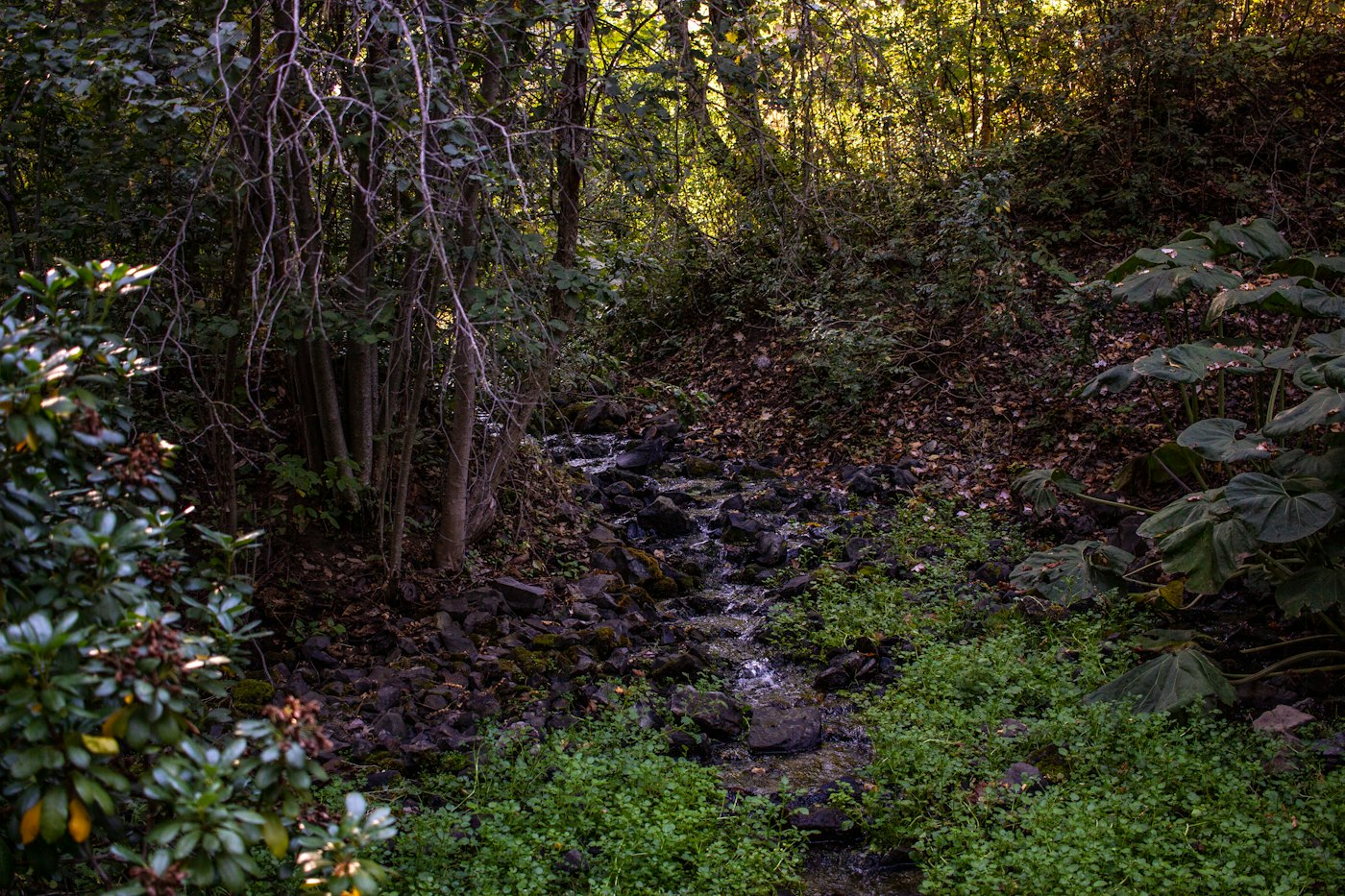
A creek on the property is a dream for many buyers. It also means checking flood maps and insurance. The sound of water running past your porch, a spot to wade on a summer afternoon and the wildlife that gathers near a stream are some of the most loved features of North Georgia mountain living. Before you make an offer on a creek property, though, you want to understand the flood risk and what it may cost to insure.
Here is how to evaluate a creek or river property, what to check, and how to make a confident decision.
Why Creek Properties Need Extra Homework
Mountain creeks can change quickly. A gentle stream in August can rise fast after heavy rain, especially in steep terrain where water runs off hillsides into narrow valleys. Most of the time, creek homes sit well above the water and never see a problem. But some are close enough to the water, or low enough in elevation, that flooding is a real possibility.
The good news is that information about flood risk is available, and with a little research you can know exactly what you are buying.
What to Check
FEMA flood zone designation
The Federal Emergency Management Agency maps flood risk across the country. You can look up a property on FEMA’s Flood Map Service Center or ask your agent or lender to check. Key designations include:
- High-risk zones, often labeled with an A, such as Zone A or AE. These are Special Flood Hazard Areas, defined as areas with a one percent or greater chance of flooding in any given year. If you have a mortgage from a federally regulated or insured lender and the home is in one of these zones, flood insurance is generally required.
- Moderate- to low-risk zones, commonly labeled Zone X. Flood insurance is usually not required, but it may still be worth considering.
Keep in mind that a flood zone designation applies to mapped areas, and part of a property may be in a flood zone while the house itself sits outside it. The location of the structure matters.
Elevation certificate if available
An elevation certificate documents the elevation of a building relative to expected flood levels. It can help determine flood insurance costs and confirm whether the structure is above the flood level. Ask the seller if they have one. If not, a licensed surveyor can prepare one.
Flood insurance cost
Standard homeowner’s insurance policies typically do not cover flood damage. Flood insurance is a separate policy, available through the National Flood Insurance Program and from private insurers. Get a quote during your due diligence period so you know the cost before you commit. Premiums depend on the property’s specific risk factors. Also note that flood policies commonly have a waiting period before coverage begins, so do not wait until the last minute if your lender requires it.
History of high water
Ask the seller directly whether the property has ever flooded or experienced high water, and whether any flood insurance claims have been filed. Talk with neighbors. Look for physical clues during your showing: water lines on outbuildings, debris caught in trees well above the creek, erosion along the banks, or signs of water in a basement or crawl space.
What to Look For on the Ground
Beyond maps and documents, walk the property with these questions in mind:
- How high is the house above the creek bank?
- Is the driveway or road ever cut off by high water?
- Are there bridges or culverts that could wash out?
- How does the land drain during heavy rain?
- Is the bank eroding, and is any stabilization in place?
- Where are the well and septic field relative to the creek?
Most Creek Homes Are Fine
Most creek homes are fine; some require flood insurance. Know before you offer. Many creek properties sit comfortably above the water, outside high-risk flood zones, and offer all the beauty of a stream with little worry. Others require flood insurance or come with some risk that buyers decide is worth accepting. The key is knowing which situation you are in before you make an offer, so you can factor insurance costs and any concerns into your decision and your price.
Common Mistakes to Avoid
- Assuming a home is not in a flood zone because it sits on a hill above part of the property
- Skipping the flood insurance quote until after you are under contract
- Relying only on the seller’s memory without checking maps and documents
- Ignoring access issues, such as a road that floods even if the house stays dry
- Forgetting about the waiting period for a new flood policy
Making a Confident Decision
Buying a creek property can be one of the most rewarding choices you make in the mountains. With the right information, you can enjoy it with peace of mind. We help buyers check flood zones, request elevation certificates, ask the right questions and understand what insurance may cost. For specifics on coverage, talk with a licensed insurance agent.
What to do before you offer
- Look up the property on FEMA’s flood maps.
- Ask the seller for an elevation certificate and any flood history.
- Get a flood insurance quote from an insurance agent.
- Walk the property and look for signs of past high water.
- Talk with Sherry about creek properties and what to look for on each one.


