
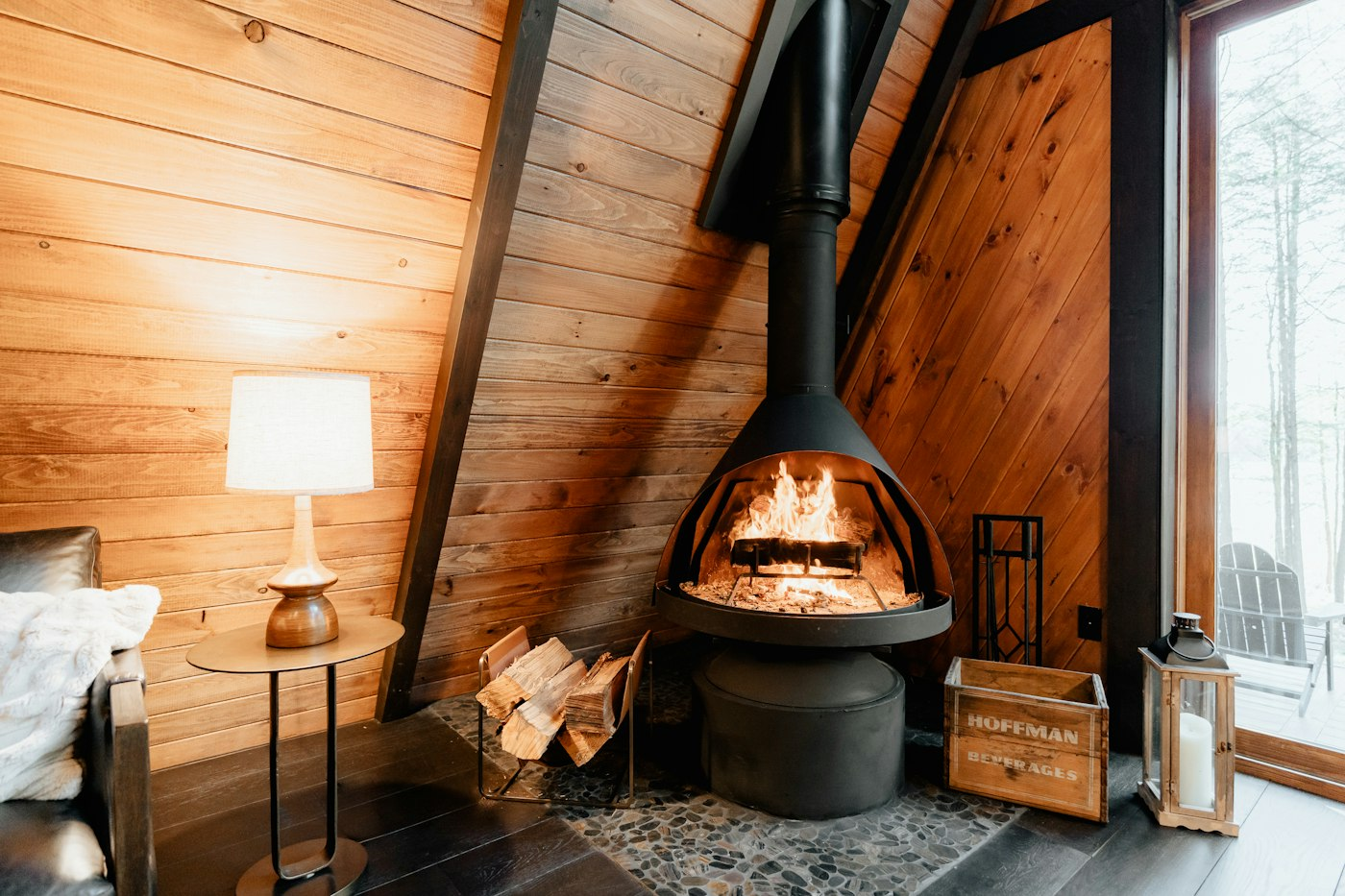
Wood-burning fireplaces and stoves are common in North Georgia mountain homes. For many buyers, a crackling fire on a cold evening is part of the dream of owning a cabin. But wood-burning appliances also bring real responsibilities. They need regular inspection and maintenance to stay safe, and they can affect your homeowners insurance. Whether you are buying, selling or simply getting ready for the cold months, here is what to check and what to expect.
Why Wood-Burning Appliances Need Attention
Burning wood produces smoke, heat and residue. Over time, a substance called creosote builds up inside chimneys and flues. Creosote is flammable, and heavy buildup is a leading cause of chimney fires. Cracks in a flue liner, damaged masonry or improper clearances can also let heat reach combustible parts of the home. A fireplace or stove that looks fine from the room can still have problems hidden in the chimney.
That is why fire safety organizations generally recommend having chimneys and venting systems inspected at least once a year, and cleaned as needed.
What to Check
Chimney inspection
A qualified chimney professional can inspect the chimney from top to bottom. They look for creosote buildup, blockages such as nests or debris, cracked or missing masonry, damage to the chimney crown and cap, and proper operation of the damper. They may use cameras to see inside the flue. If you are buying a home, a chimney inspection during your due diligence period is a smart addition to the general home inspection, which typically does not include a detailed look inside the flue.
Flue condition
The flue is the passage that carries smoke and gases out of the home. Many chimneys have a liner, made of clay tile, metal or another material, that protects the surrounding structure. Cracked, gapped or deteriorated liners can allow heat and gases to escape into the chimney walls or the home. Repairs may range from patching to installing a new liner.
Clearances
Fireplaces and stoves need proper clearance from combustible materials such as wood walls, trim, furniture and flooring. Wood stoves typically come with manufacturer specifications for clearances, which may be reduced with approved heat shields. Hearth pads under stoves protect the floor. In log and timber homes, where walls themselves are wood, clearances deserve special attention.
Stove certification
Many modern wood stoves are tested and certified to meet federal emissions standards and carry a label showing that certification. They may also carry a safety listing from a testing laboratory. Certified stoves tend to burn more cleanly and efficiently. Older, uncertified stoves may still work, but they may produce more smoke and creosote, and they can raise questions with insurers. Look for a label on the back or side of the stove, and ask the seller for the manual and installation records if available.
Other items to look at
- A chimney cap to keep out rain, animals and debris.
- Spark arrestors where required or recommended.
- Working smoke detectors and carbon monoxide detectors.
- The condition of the firebox, glass doors and gaskets.
- Stovepipe connections, which should be secure and properly sealed.
- Outdoor firewood storage away from the house.
Insurers May Ask About Wood Stoves
Insurers may ask about wood stoves. Because wood-burning appliances add fire risk, some insurance companies ask detailed questions when you apply for coverage. They may want to know:
- Whether the stove was professionally installed.
- Whether it is certified or listed.
- Whether it is the primary heat source or used occasionally.
- How recently the chimney was inspected and cleaned.
- What clearances and floor protection are in place.
Some insurers may require an inspection, ask for photos or adjust premiums. A few may decline coverage for certain installations. If you are buying a home with a wood stove, talk with your insurance agent early in the process so there are no surprises close to closing. Your lender will require proof of insurance before you can close.
For Buyers
- Ask the seller when the chimney was last inspected and cleaned.
- Request any manuals, installation records or certification labels for stoves.
- Add a chimney inspection to your due diligence.
- Call your insurance agent and describe the wood-burning appliances.
- Budget for annual inspection and cleaning.
For Sellers
Before listing, have the chimney inspected and cleaned and keep the report. Gather stove manuals, installation documents and receipts. Fix any issues the chimney professional identifies. A clean, well-documented fireplace or stove is a selling point, and staging it with a neat stack of firewood helps buyers picture cozy evenings.
Safe Burning Habits
- Burn dry, seasoned firewood; wet wood creates more smoke and creosote.
- Never burn trash, cardboard or treated wood.
- Keep a fireplace screen or stove door closed while burning.
- Store ashes in a metal container with a lid, away from the house.
- Keep furniture, rugs and decorations at a safe distance.
- Test smoke and carbon monoxide detectors regularly.
What to Do This Week
- Schedule a chimney inspection and cleaning before the first fire of the season.
- Find the certification label on your stove.
- Check your insurance policy for any wood stove requirements.
- If you are buying or selling, talk with Sherry about adding a chimney inspection to your plans.


