
Mountain homes vary widely in energy use. Two homes of similar size in the same area can have very different utility bills depending on how they are built, how they are heated and how much glass faces the view. If you are buying in the North Georgia mountains, understanding a home’s energy costs before you buy helps you budget realistically and avoid an expensive first winter.
Here is what drives energy costs in mountain homes, what to ask for and how to plan your budget.
Why Energy Costs Vary So Much in the Mountains
Mountain homes come in many styles: log cabins, chalets with walls of windows, conventional homes, older cottages and newer custom builds. They sit at different elevations, face different directions and are shaded by different amounts of tree cover. Some use propane, some rely on electric heat pumps and some have wood stoves or fireplaces as a main or backup heat source. All of those factors affect how much it costs to keep the home comfortable.
Seasonal use matters too. A weekend cabin that is kept at a low temperature during the week will have different bills from a full-time home that is heated every day.
Ask for Twelve Months of Utility Bills From the Seller
The most useful information you can get is twelve months of utility bills from the seller. A full year shows you the seasonal swings: higher heating costs in winter, cooling costs in summer and lighter months in spring and fall. A single month, especially a mild one, can be misleading.
When you review the bills, keep in mind how the seller used the home. Ask:
- Did they live there full time or use it part time?
- What temperature did they keep the home in winter and summer?
- Was the home rented, and if so, how often?
- Did they rely on a wood stove or fireplace to supplement heat?
- Are there separate bills for propane, electricity, internet and water?
Propane is often billed by delivery rather than monthly, so ask for delivery records or a summary of how much was used over the year.
Heating Type: Propane, Electric or Wood
Propane
Many mountain homes use propane for heating, water heating, cooking, fireplaces or generators. Propane is delivered by truck and stored in a tank on the property. Ask whether the tank is owned or leased, since that affects who you can buy propane from. Prices can change seasonally, and some suppliers offer budget plans or pre-buy options. Make sure delivery trucks can reach the tank in winter.
Electric
Electric heat in mountain homes often comes from heat pumps, which can be efficient in moderate climates. In very cold weather, many heat pumps rely on backup electric resistance heat, which costs more to run. Ask about the age and type of the system and whether it has been serviced regularly. Older baseboard or resistance heat can be expensive to operate.
Wood
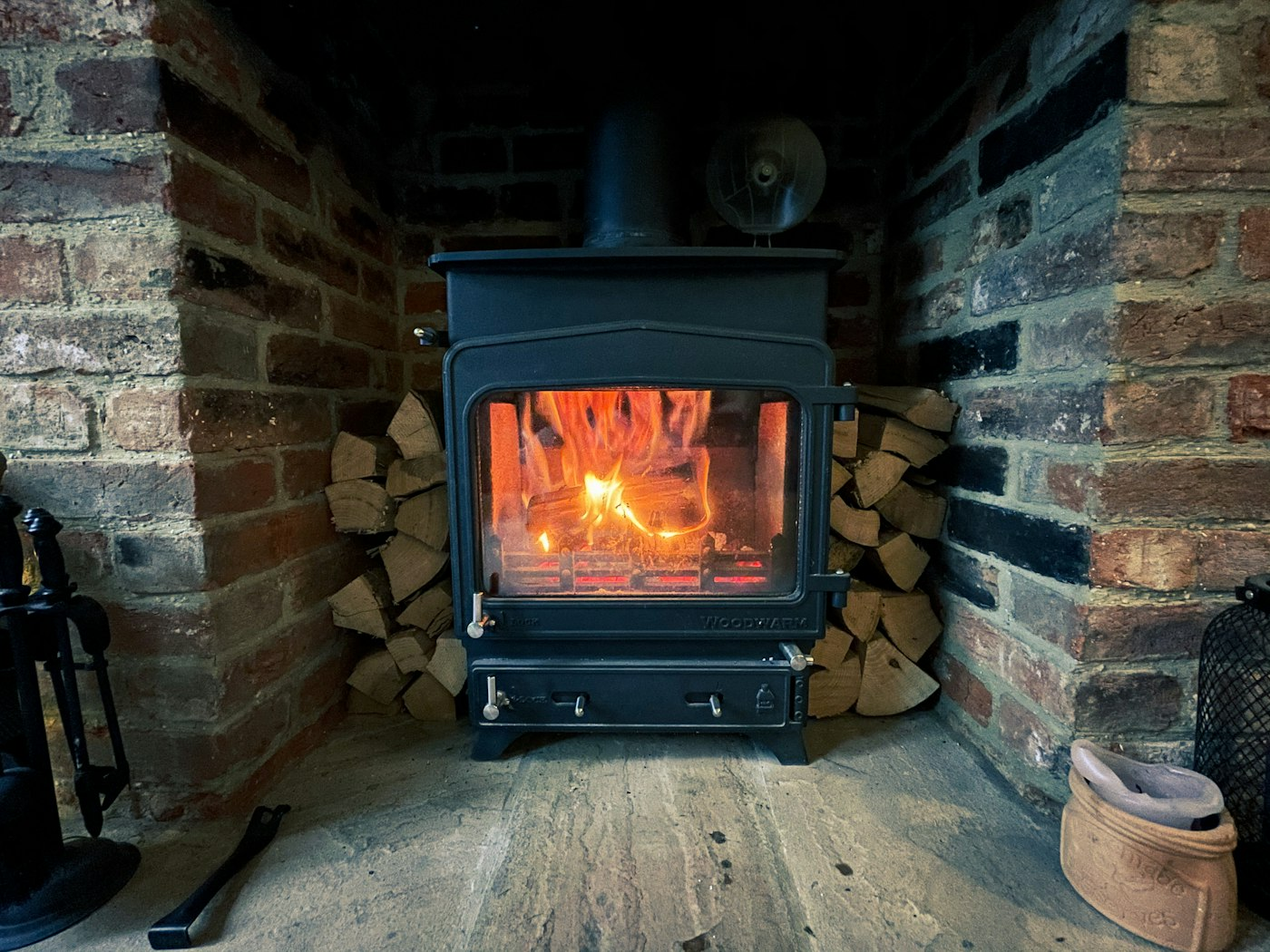
Wood stoves and fireplaces are part of mountain living for many owners. A wood stove can provide significant heat and reduce reliance on other fuels, but it takes work: sourcing, splitting, storing and hauling firewood. Open fireplaces are lovely, but they are generally not an efficient primary heat source. Have chimneys and stoves inspected before you use them.
Insulation and Window Quality
How well a home holds heat makes a big difference. Ask about:
- Insulation. Attics, walls, crawl spaces and floors over unheated areas should be insulated. Older cabins may have less insulation than modern standards.
- Windows. Double-pane or energy-efficient windows lose less heat than older single-pane windows. Check for drafts, failed seals and fogging between panes.
- Air sealing. Gaps around doors, windows and in log homes, along with chinking, can let cold air in.
- Ductwork. Leaky or uninsulated ducts in crawl spaces or attics waste energy.
Your home inspector can note visible issues, and an energy audit can provide a more detailed picture of where a home loses heat.
Budget Realistically: The Big-Window Chalet
Budget realistically; a big-window chalet can be expensive to heat. Chalets are designed to frame the view, with tall ceilings and walls of glass. That design is beautiful, but heat rises into high ceilings, and large windows lose more energy than insulated walls. West-facing glass can also heat up quickly on summer afternoons. If you love the chalet style, plan for higher energy costs and look for features that help, such as quality windows, ceiling fans to push warm air down, good window coverings and a properly sized HVAC system.
Ways to Reduce Energy Costs After You Buy
- Install a programmable or smart thermostat, especially for part-time homes.
- Add insulation in the attic and crawl space where needed.
- Seal drafts around doors, windows and penetrations.
- Service your HVAC system and propane appliances regularly.
- Use ceiling fans to circulate warm air in rooms with high ceilings.
- Consider insulated window coverings for large windows.
- Maintain log home chinking and seals to keep air out.
Common Mistakes to Avoid
- Judging energy costs from a single summer bill
- Forgetting to ask for propane delivery records
- Not asking whether the propane tank is owned or leased
- Assuming a wood stove will cover all heating needs
- Overlooking the energy impact of large windows and tall ceilings
What to do before you buy
- Request twelve months of utility bills and propane delivery records.
- Ask how the seller used the home and what temperatures they kept.
- Note the heating type, insulation and window quality during your showing.
- Have your inspector review the HVAC system, chimney and visible insulation.
- Talk with Sherry about how energy costs fit into your overall budget for any home you are considering.


