
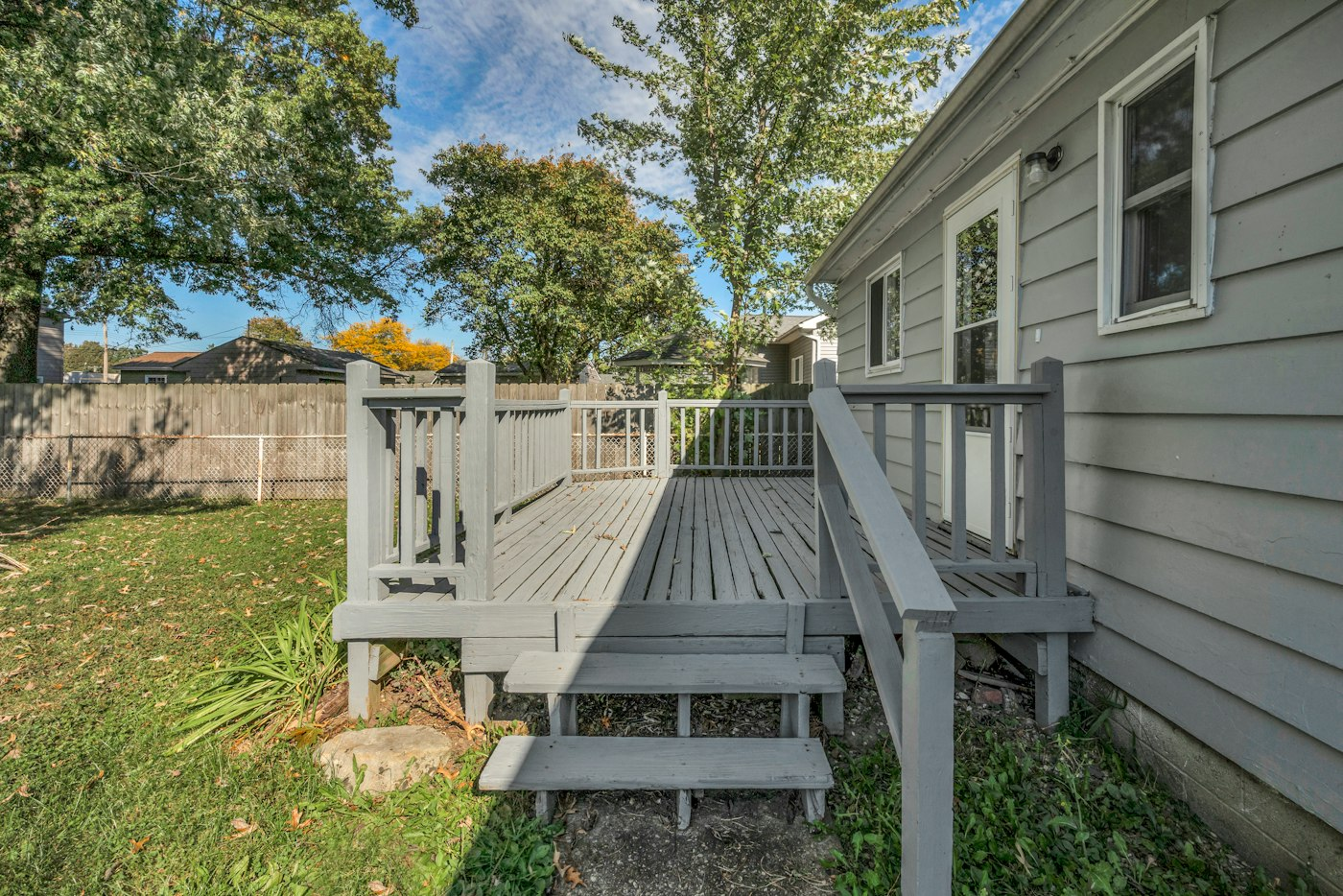
Mountain homes often have large elevated decks. They need inspection. On a sloped lot, the deck is frequently where life happens: morning coffee with a view of the ridges, dinner with friends, an evening by the fire pit. Because many of these decks sit high off the ground on the downhill side of the house, their condition matters for safety as much as for enjoyment. Whether you are selling a cabin or buying one, a close look at the deck and porch belongs near the top of your list.
Why Mountain Decks Deserve Extra Attention
A deck on a level suburban lot might be a step or two off the ground. In the mountains, a deck can be a full story or more above grade, supported by tall posts set into a hillside. That height multiplies the importance of every connection.
Mountain weather adds to the wear. Decks here deal with heavy rain, humidity, freezing and thawing in winter, fallen leaves that hold moisture against the boards, and shade that keeps wood damp. Over time, all of that can lead to rot, loose fasteners and weakened supports, sometimes in places that are not obvious from the surface.
What to Check
A good deck inspection looks at the whole structure, from the house connection to the footings. These are the main areas to examine.
Ledger board attachment
The ledger is the board that attaches the deck to the house. It carries a large share of the load, and failures at this connection are one of the most serious deck problems. An inspector will look at how the ledger is fastened. Bolts or structural screws through the ledger into the home’s framing are expected; nails alone are a warning sign. They will also look for signs of rot, rust or separation where the ledger meets the house.
Post footings
Posts should rest on solid footings, usually concrete, set below the frost line and on stable soil. On a slope, erosion can expose or undermine footings over time. Look for posts that lean, footings that have shifted or washed out, and posts buried directly in soil, which tends to rot them from the bottom up. Connections between posts and beams should be secure, with proper hardware rather than toe-nailing alone.
Railing height and strength
Railings, also called guards, are what keep people from falling off an elevated deck. Under common residential building codes, decks more than 30 inches above grade generally need guards at least 36 inches high, with openings small enough that a 4-inch sphere cannot pass through. Older decks may not meet current standards. Beyond height, test strength: a railing should feel solid when you push on it firmly. Wobbly posts or loose balusters need attention.
Rot
Rot often starts where water collects: board ends, the tops of posts, the ledger area, stair stringers and anywhere leaves pile up. Inspectors often probe suspicious areas with a screwdriver. Wood that is soft, spongy or crumbles easily needs to be replaced. Surface stains and gray weathering are cosmetic; soft wood is structural.
Flashing
Flashing is the metal or membrane that keeps water from getting behind the ledger and into the house framing. Missing or failed flashing can cause hidden rot in both the deck and the home itself. Look for flashing above the ledger, and watch for water stains on the inside wall or in the basement or crawl space below the deck.
Other items worth a look
- Stairs: secure stringers, solid treads, even risers and a graspable handrail.
- Fasteners and hardware: rust, popped nails and missing joist hangers.
- Decking boards: cracks, splits, soft spots and trip hazards.
- Covered porches: roof supports, ceiling stains and the condition of the porch roof itself.
- Hot tubs: if the deck holds a hot tub, confirm the structure was built to carry that weight.
For Sellers: Repair Before Listing
Sellers, repair before listing. Buyers in the mountains know to look at decks, and their inspectors will too. A soft board, a loose railing or a rusted connector found during inspection can lead to repair requests, a price negotiation or a nervous buyer. Fixing those items ahead of time puts you in a stronger position.
Seller deck checklist
- Walk the deck and stairs and note any soft, cracked or loose boards.
- Push firmly on every railing section and post.
- Look underneath at posts, footings, beams and the ledger connection.
- Replace rotted boards and tighten or replace loose hardware.
- Clean the deck surface and clear leaves from between boards.
- Consider fresh stain or sealer if the wood looks dry and gray.
- Keep receipts for any repairs so buyers can see what was done.
For larger concerns, such as a questionable ledger connection or footings that have shifted, a qualified contractor can tell you what is needed. It is usually better to know before a buyer’s inspector raises it.
For Buyers: Insist on a Close Look
Buyers, insist on a close look. Make sure your home inspector examines the deck from above and below, including the ledger, footings and railings. If the inspector sees anything that concerns them, it may be worth having a structural engineer or experienced deck contractor take a closer look before your due diligence period ends.
Questions to ask
- When was the deck built, and has it been rebuilt or repaired?
- Was it permitted, if permits were required at the time?
- When was it last stained or sealed?
- Has the deck ever held a hot tub or other heavy load?
- Are there any known leaks where the deck meets the house?
If problems turn up, they become part of your repair negotiation. Safety issues and structural concerns are reasonable items to ask a seller to address, through repairs, a credit or a price adjustment.
Ongoing Care After You Buy
Once the deck is yours, regular care keeps it safe. Sweep off leaves and debris, especially in fall. Check railings and stairs each spring. Re-stain or seal as needed to protect the wood. Watch for soft spots and loose fasteners, and address them early. A deck that is maintained every year is far less likely to need major repairs later.
What to Do This Week
- Walk your deck and push on every railing.
- Look under the deck at the ledger, posts and footings.
- Make a list of repairs and call a contractor for anything structural.
- If you are buying, make sure your inspector plans to examine the deck closely, and talk with Sherry about how to handle anything they find.


