
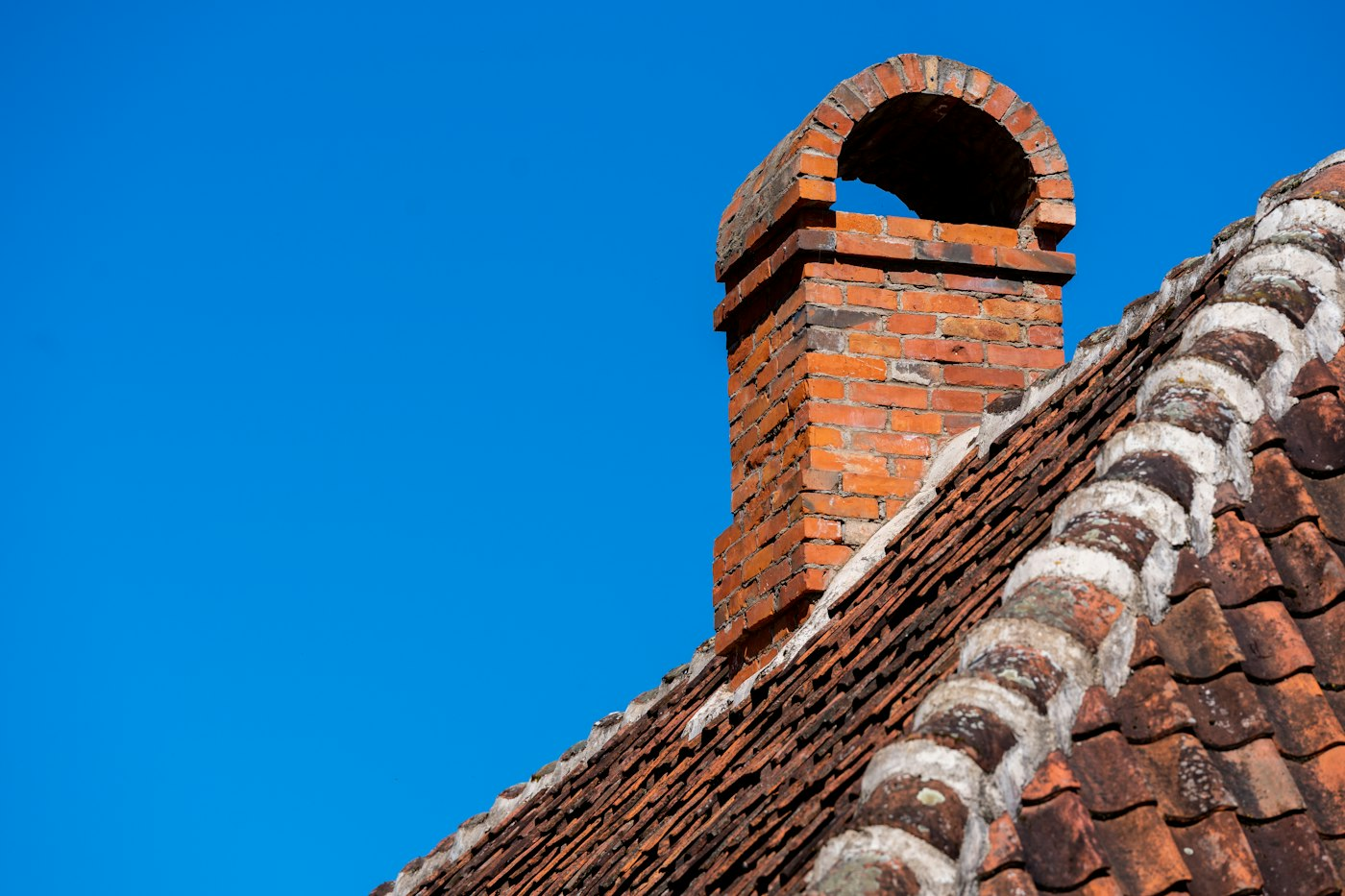
Before your first fire of the season, have the chimney inspected and cleaned. Creosote and animal nests are common, and both can turn a cozy evening into a dangerous one. In the North Georgia mountains, fireplaces and wood stoves are part of the appeal of so many homes, from log cabins near Blue Ridge to farmhouses outside Ellijay and in-town homes in Jasper. They also see long stretches of disuse over the warm months, which is exactly when birds, squirrels and other animals move in and when last winter’s buildup quietly waits. A fall inspection is one of the simplest, most valuable things you can do for your home.
Why the First Fire Is the Riskiest
A chimney that sat idle all summer can hide several problems. Debris may have fallen in, animals may have built nests, and creosote left over from last season may still coat the inside of the flue. When the first fire of the year sends hot gases up the chimney, those hazards are put to the test all at once.
Chimney fires can sometimes be dramatic, with loud popping and flames shooting from the top of the chimney, but they can also be slow-burning and go unnoticed while still damaging the flue and the structure around it. Either way, they are largely preventable with regular inspection and cleaning.
Creosote: What It Is and Why It Matters
Creosote is a residue that forms when wood smoke cools and condenses on the inside of a chimney. It can appear as a flaky soot, a crusty or tar-like coating, or a hard, glazed layer. All forms are combustible, and heavy buildup increases the risk of a chimney fire.
What increases creosote buildup
- Burning wet or unseasoned wood, which produces more smoke.
- Smoldering, low-temperature fires with restricted air supply.
- Chimneys that run along cold exterior walls, which cool smoke faster.
- Frequent use without regular cleaning.
How to reduce it
- Burn seasoned hardwood that has been split and dried properly.
- Build fires that burn hot and clean rather than smoldering for hours.
- Follow the manufacturer’s guidance for wood stoves and inserts.
- Have the chimney inspected and cleaned as recommended, typically at least once a year.
Animal Nests and Other Blockages
Mountain homes are surrounded by wildlife, and an uncapped chimney can look like an inviting shelter. Birds, squirrels, raccoons and other animals may nest inside, and leaves, twigs and debris can collect over the summer. Blockages can prevent smoke from venting properly, pushing smoke and carbon monoxide back into the home, and nest materials themselves are flammable.
A properly installed chimney cap with a screen helps keep animals and debris out while still allowing smoke to escape. If you suspect an animal is in the chimney, do not light a fire to drive it out. Contact a chimney professional or wildlife removal service for help.
What a Chimney Inspection Covers
A chimney professional will look at more than just soot. A typical inspection may include:
- Checking the flue for creosote buildup, blockages and damage.
- Examining the firebox, damper and smoke chamber.
- Inspecting the chimney liner for cracks or deterioration.
- Looking at the exterior masonry, crown, flashing and cap.
- Evaluating clearances between the chimney and nearby combustible materials.
- For wood stoves and inserts, checking connections and venting.
After the inspection, the professional can clean the chimney if needed and recommend any repairs. Industry guidance commonly suggests having chimneys inspected at least once a year, which also aligns with the recommendations of many fire safety organizations.
Signs Your Chimney Needs Attention
Between inspections, watch for these warning signs:
- A strong, smoky or musty odor from the fireplace, especially in humid weather.
- Smoke backing up into the room when you light a fire.
- Fires that are hard to start or keep burning.
- Black, flaky debris falling into the firebox.
- Sounds of animals or nesting material in the chimney.
- Crumbling mortar, cracked masonry or water stains near the chimney.
If you notice any of these, stop using the fireplace and call a professional.
Fire Safety Basics for Fireplace Season
- Test detectors. Make sure smoke and carbon monoxide detectors are working throughout the home.
- Use a screen. A fireplace screen or glass doors help keep sparks and embers inside.
- Keep clearances. Keep furniture, rugs, decorations and firewood a safe distance from the fireplace or stove.
- Dispose of ashes safely. Place cooled ashes in a metal container with a lid, and store it outside away from the house, decks and anything flammable.
- Never leave a fire unattended, and make sure it is fully out before going to bed or leaving the home.
- Keep an extinguisher handy and know how to use it.
For Buyers and Sellers
If you are buying a home with a fireplace or wood stove, ask when the chimney was last inspected and cleaned, and whether there are records. A general home inspector may note visible issues, but a dedicated chimney inspection gives you a much clearer picture, especially in older homes or log construction.
If you are selling, a recent chimney inspection and cleaning can reassure buyers and help avoid surprises during due diligence. A clean, ready-to-use fireplace also makes for a much more inviting showing in the fall and winter.
Your pre-fire checklist
- Schedule a chimney inspection and cleaning before your first fire.
- Confirm a chimney cap is in place and in good condition.
- Stock seasoned, dry firewood.
- Test smoke and carbon monoxide detectors.
- Set up a fireplace screen and a metal ash container.
Ask Sherry if you need a referral for a local chimney professional. With a little care now, you can enjoy every fire this season with peace of mind.


