
As summer approaches, buyers start paying closer attention to how a house handles the heat. Cooling systems vary widely, and the type a home has affects comfort, energy use, noise and future replacement needs. Here is a guide to the systems you are most likely to see, and the questions worth asking about each.
Central air conditioning
A central air system typically pairs an outdoor unit, called a condenser, with an indoor coil connected to a furnace or air handler. Cooled air moves through ductwork to vents throughout the house. Central air can cool a whole home evenly when the ducts are well designed and sealed. Ask whether the indoor and outdoor components were replaced together and when the system was last serviced. Look at visible ductwork, and notice whether some rooms, often upstairs or over a garage, feel noticeably warmer than others.
Heat pumps
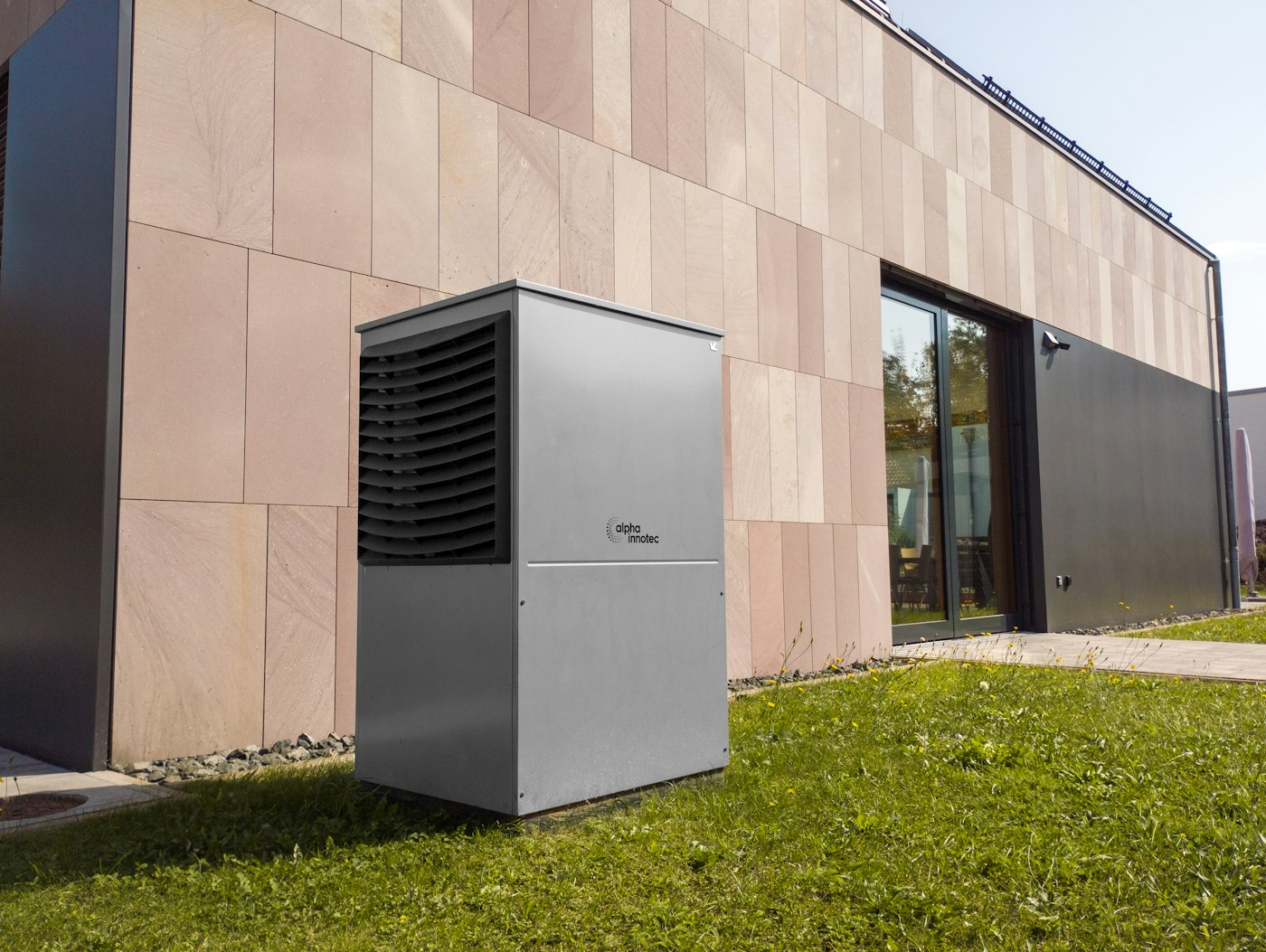
A heat pump looks much like a central air conditioner from the outside, but it can both cool and heat a home by moving heat in either direction. In summer it removes heat from indoors; in winter it draws heat from the outdoor air and brings it inside. Many homes in milder climates rely on heat pumps alone, while homes in colder regions may pair one with a furnace or electric backup heat. If a house has a heat pump, ask how it performs in the coldest part of the year and what backup heat it uses.
Ductless mini-splits
Mini-split systems connect an outdoor unit to one or more indoor units mounted on walls or ceilings, with no ductwork. Each indoor unit can often be controlled separately, which makes mini-splits popular for additions, converted spaces and older homes without ducts. Ask which rooms each unit serves, whether the indoor units have been cleaned regularly and how rooms without a unit stay comfortable.
Window units and evaporative coolers
Many older homes rely on window or through-the-wall air conditioners. They can work well for individual rooms, but they cool unevenly, can be noisy and may not stay with the house, so ask. In dry climates, you may also see evaporative coolers, sometimes called swamp coolers, which cool air by evaporating water. They work best where humidity is low and need regular seasonal maintenance.
Questions for any system
- How old is the equipment, and are there service records?
- Has the system had recent repairs, and why?
- Does it use an older refrigerant that is no longer produced in the United States? That can affect the cost of some repairs.
- Are filters easy to reach, and how often have they been changed?
- Can you see recent summer utility bills?
During the home inspection, the inspector will usually test the cooling system if conditions allow. On a cool day, some inspectors will not run an air conditioner to avoid damaging it, so ask how it will be evaluated. If the system is older or the inspector notes concerns, an HVAC technician can give a more detailed assessment before your inspection period ends.
What Cooling Means in a Georgia Summer
In a climate with long, hot and humid summers, a cooling system does two jobs: it lowers the temperature and it removes moisture from the air. Both matter for comfort. A system that cools the air but leaves it clammy can make a home feel uncomfortable even at a reasonable thermostat setting, and lingering humidity can contribute to musty smells or condensation. When you tour in warm weather, notice not only how cool the house feels but also whether the air feels dry and fresh.
Heat pumps are widely used in the Southeast because winters are milder than in northern regions, and you may see them paired with gas furnaces in some homes. Two-story homes often have two separate systems, one for each floor, which can help keep the upstairs comfortable. Ask how many systems the home has and which areas each one serves.
Clues You Can Spot on a Showing
You do not need to be a technician to pick up useful signals during a tour:
- The outdoor unit: Look for a data plate that shows the manufacture date. Note whether the unit sits level and has clear space around it, free of shrubs and debris.
- The indoor equipment: Look for rust, water stains or a damp drain pan around the air handler or furnace.
- The condensate line: Cooling systems produce water that should drain properly. A drip in an odd place is worth noting.
- Vents and returns: Check that vents are open and unobstructed and that returns are not blocked by furniture.
- Room-to-room comfort: Walk the whole house and notice any room that feels noticeably warmer or more humid.
- Noise: Listen for rattles, buzzing or unusually loud operation.
- The thermostat: Is it programmable or smart? Does the system respond when the setting is adjusted?
Maintenance Habits for the First Year
Once the home is yours, a few habits help any system run well and last longer:
- Change or clean filters on the schedule the manufacturer recommends, and more often during heavy use or pollen season.
- Schedule professional service before the cooling season begins.
- Keep the outdoor unit clear of leaves, grass clippings and plant growth.
- Make sure the condensate drain stays clear; ask your technician how to check it.
- Clean mini-split indoor unit filters regularly, as directed by the manufacturer.
- Keep records of service visits and repairs with your other home documents.
Questions Buyers Ask
Should an older system stop me from buying?
Not necessarily. An older system that has been maintained may run for some time. It is reasonable, though, to plan and save for replacement and to factor its age into your offer or negotiations.
Can I add central air to a home that has window units?
Often, yes, though adding ductwork can be a significant project. Ductless mini-splits are another option for homes without ducts. An HVAC contractor can explain what would suit the house.
Is a home warranty a substitute for an inspection?
No. A home warranty may help with certain repair costs, depending on its terms, but it does not tell you the condition of the system. Read any warranty carefully to understand what it covers and excludes.
What should I ask an HVAC technician during the inspection period?
Ask about the overall condition of each component, whether the system appears properly sized for the home, how the ductwork looks, whether there are signs of refrigerant leaks and what maintenance or repairs the technician would expect in the next few years. A written summary of the visit is helpful when you talk with your agent about next steps.


