
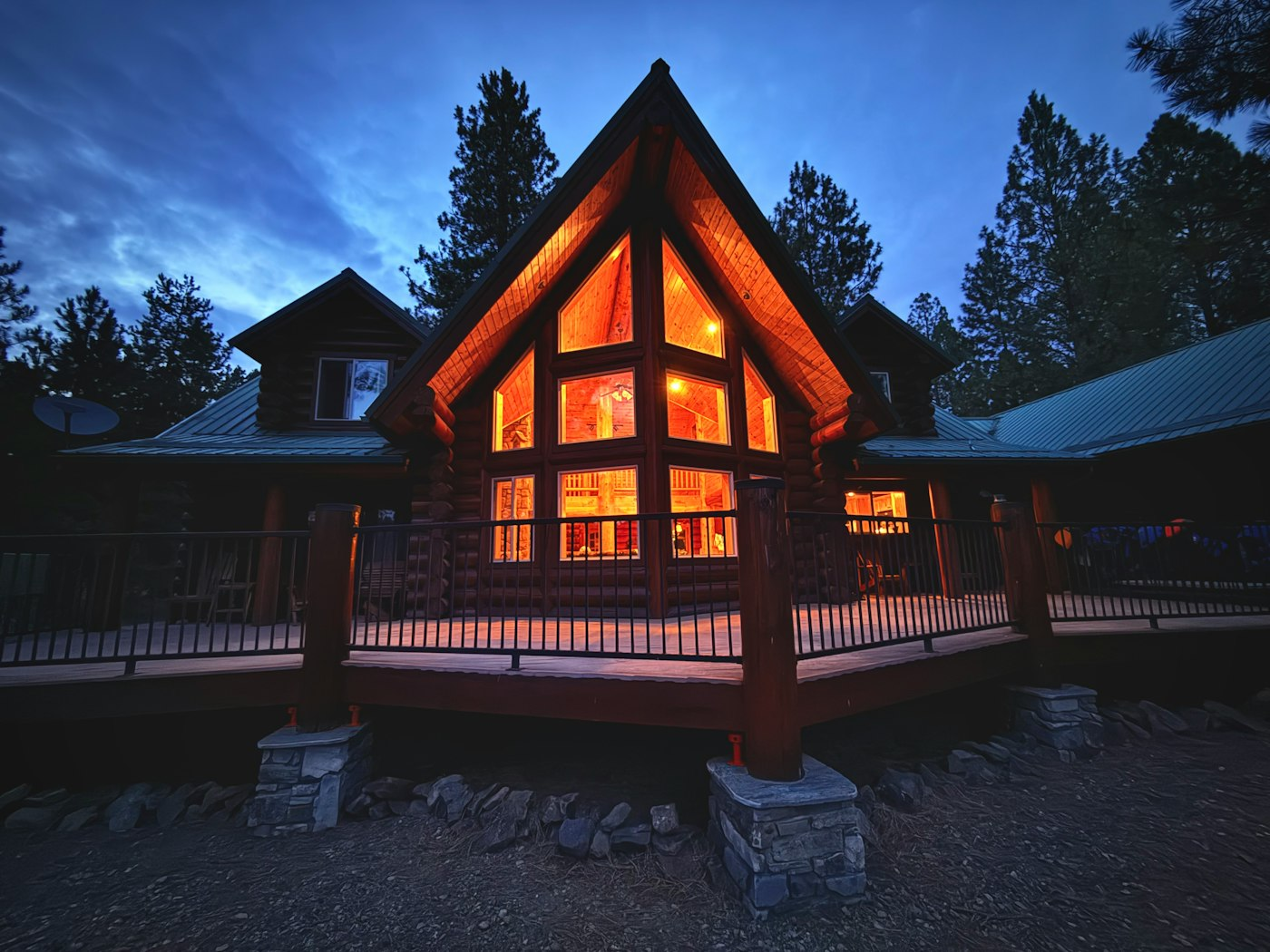
Buyers in the North Georgia mountains face a choice most markets do not offer: a log or timber cabin, a chalet, or a conventional home. Each has a distinct look, feel and set of ownership realities. The right choice depends on how you plan to use the home, how much maintenance you want to take on, and whether rental income is part of your plan.
Here is a practical comparison to help you weigh the options before you start touring.
Why the Choice Matters More in the Mountains
In most suburban markets, the main decision is size and location. In the mountains, the type of construction shapes almost everything else: how the home looks, how it feels inside, what it costs to heat and cool, how often it needs maintenance, how easy it is to insure and finance, and how attractive it is to vacation renters. Two homes with the same square footage and number of bedrooms can be very different to own.
Understanding those differences up front helps you shop with clear eyes instead of falling for a look without knowing what comes with it.
Cabins: Character, Rental Appeal and Maintenance
Log and timber cabins are what many people picture when they dream of the North Georgia mountains. Exposed wood, stone fireplaces and big porches create a warm, rustic atmosphere that is hard to match.
The upside
- Character. Cabins have a sense of place. They feel like the mountains.
- Rental appeal. Vacation renters often specifically search for cabins. If you plan to rent part of the year, a well-kept cabin can stand out.
The maintenance
Log homes need ongoing care that conventional homes do not:
- Staining every few years. Exterior wood needs to be cleaned and re-stained or sealed periodically to protect it from sun and moisture. Sun-facing walls often need attention more often.
- Pest checks. Wood-boring insects and carpenter bees can be a concern. A wood-destroying insect inspection is essential before you buy.
- Settling. Logs shrink and settle over time, especially in newer cabins. Well-built homes account for this, but you may see adjustments needed around windows, doors and chinking.
Ask the seller for maintenance records, including when the exterior was last stained and what products were used.
Chalets: Great Views and Large Windows
Chalets, with their steep rooflines and walls of glass, are designed to frame the view. Many feature soaring great rooms, lofts and decks that look straight out over the mountains.
The upside
- Views. Large windows bring the landscape inside in a dramatic way.
- Light and volume. Open, tall spaces feel airy and impressive.
What to watch: heating and cooling costs
All that glass and open volume comes with a tradeoff. Watch heating and cooling costs. Heat rises into high ceilings, large windows lose more energy than insulated walls, and afternoon sun can heat a west-facing great room quickly in summer. Before you buy, ask for twelve months of utility bills, check the age and quality of the windows, and ask what heating system the home uses. Ceiling fans, quality window coverings and a well-sized HVAC system make a big difference.
Conventional Homes: Easiest to Finance, Insure and Maintain
Conventional homes, whether framed with siding, brick or stone, are familiar to lenders, insurers and buyers alike.
The upside
- Easiest to finance. Lenders and appraisers work with conventional construction every day, and comparable sales are easier to find.
- Easiest to insure. Standard construction is generally straightforward to insure, while log homes can sometimes cost more.
- Easiest to maintain. Siding, brick and conventional roofing have predictable upkeep, and most local contractors handle them routinely.
The tradeoff: sometimes less rental appeal
Conventional homes sometimes have less rental appeal. Vacation guests often want the cabin experience. That is not a problem if you plan to live in the home full time, but if rental income is a major part of your plan, think carefully about how your property will compete.
Questions to Ask Yourself
Before you decide, work through these questions honestly:
- Will this be a full-time home, a weekend retreat or a rental property?
- How much time and money do I want to spend on exterior maintenance?
- Is a dramatic view worth higher energy bills?
- How important is rental appeal to my budget?
- Do I need single-level living, now or in the future?
- How will financing and insurance work for this type of home?
Inspections for Each Type
Whatever you choose, plan a thorough inspection. For cabins, add a wood-destroying insect report and ask the inspector to look closely at logs, chinking and areas where water collects. For chalets, pay attention to windows, roof flashing and the HVAC system. For conventional homes, the standard inspection covers most needs. For all mountain homes, add well, septic and radon testing where applicable, and review drainage and retaining walls on sloped lots.
Making the Decision
There is no single right answer. Many buyers start out sure they want a cabin and end up in a conventional home with a great porch, or the other way around. Seeing several types in person helps clarify what you value. Sherry walks buyers through the ownership realities of each before they decide, so you understand not just how a home looks today but what it will take to own it well.
What to do next
- Tour at least one cabin, one chalet and one conventional home to compare them side by side.
- Ask for utility bills and maintenance records on any home you are serious about.
- Get insurance quotes early, especially for log construction.
- Talk with Sherry about which property types fit your plans and budget.


