
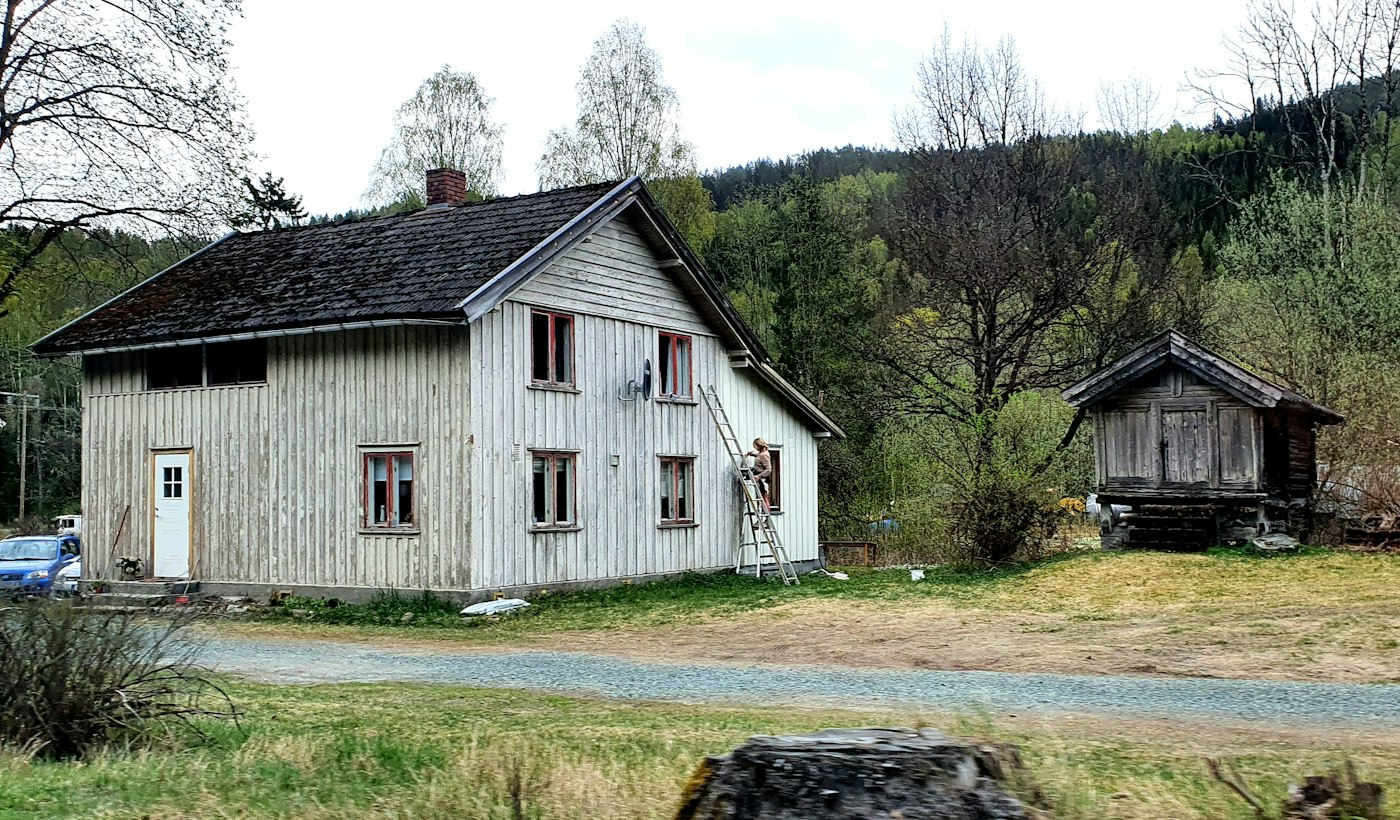
Fixer-uppers have a romance to them: the house with good bones, the before-and-after, the home made exactly to your taste. They also have a reputation, earned by many buyers who discovered that walls hide surprises and projects take twice as long as planned. Both pictures are true. The difference lies in which kind of fixer you are buying and how clearly you see it beforehand.
Cosmetic versus structural
Cosmetic work changes how a home looks: paint, flooring, fixtures, cabinet fronts, landscaping, a dated bathroom that functions fine. It is visible, predictable and often within reach of a motivated owner. Structural and systems work changes what the home is: foundation repairs, a new roof, rewiring, replumbing, moving walls, correcting water intrusion. It is expensive, needs licensed trades and permits, and tends to reveal more problems once opened up. Most homes marketed as needing updates fall somewhere in between, and your first task is to find out where.
The case for a fixer
- Homes that need visible work are often priced below comparable homes that are move-in ready, and they may draw fewer competing offers.
- You choose the finishes, the layout changes and the order of projects, instead of paying for someone else’s decisions.
- Doing work over time lets you spread the cost and learn the house before committing to big changes.
- Older homes with solid construction and good locations frequently come to market this way.
The realities
- Costs and timelines run long. Build in a healthy contingency and expect to use it.
- Living in a construction zone, or paying for housing elsewhere during the work, has a cost in money and patience.
- Permits, inspections and contractor availability set the pace, not your enthusiasm.
- Some lenders will not finance a home with serious habitability issues through a standard mortgage. Renovation loan programs exist that roll the purchase and the work into one loan, each with its own rules; ask a lender early.
- Insurers may ask about the home’s condition, and some repairs may be required to bind coverage.
Questions before you offer
- Which problems are cosmetic and which are structural, and how do I know?
- Have I had a contractor walk through with me, not just an inspector?
- Which specialized inspections make sense here: structural, sewer scope, electrical, pest, chimney?
- What is my total budget for purchase plus renovation plus contingency, and does the finished home justify it compared with homes already in that condition?
- Where will I live during the work, and for how long?
- Honestly, what am I capable of doing myself, and what am I willing to hire out?
Who to involve
A thorough home inspector is the baseline. A general contractor can give rough estimates and flag what the inspector cannot price. A lender can tell you which financing options fit a home in this condition. An attorney can review any contract language about the property’s as-is status. A financial advisor can help you judge whether the total commitment fits your finances. Your agent can help you sequence all of it within your contingency period. A fixer-upper rewards buyers who go in with a plan and a cushion, and punishes those who go in on hope. With the right questions answered first, it can be the right home.
A Worked Budget Example
A simple calculation helps you judge whether a fixer-upper makes sense. The figures here are illustrative only.
Suppose a home needing work is listed at $250,000. A similar home in move-in condition nearby has recently sold for $310,000. After walking through with a contractor, you estimate $40,000 in repairs and updates. Adding a contingency of 20 percent brings the project budget to $48,000.
$250,000 purchase + $48,000 renovation and contingency = $298,000 total
That total is below the price of the move-in-ready home, which suggests the project could make sense, provided the estimate is realistic and you are comfortable with the time and disruption. If the total came out at or above the finished-home price, you would be taking on risk and effort for little or no financial benefit. Running this math with real estimates, before you offer, is one of the most useful steps a fixer-upper buyer can take.
A Step-by-Step Approach
- Get a financing plan first. Talk with a lender about whether a standard loan or a renovation loan fits the home’s condition.
- Walk through with a contractor. Ask for a rough idea of the scope and cost of the main projects.
- Order thorough inspections. Include any specialized inspections the home’s age and condition call for.
- Prioritize the work. Plan safety, structural and system work first, then weatherproofing, then cosmetic updates.
- Check permit requirements. Ask the local building department what permits will be needed and how long they typically take.
- Plan your living arrangements. Decide whether you will live in the home during work or arrange other housing.
- Keep a reserve. Hold back funds beyond your contingency for surprises after closing.
Mistakes Fixer-Upper Buyers Make
- Underestimating the scope. Opening walls often reveals more work. Plan for it.
- Starting with cosmetic projects. A beautiful kitchen does not help if the roof leaks or the wiring needs replacing.
- Over-improving for the area. Spending far beyond what similar homes nearby are worth may not be recovered later.
- Doing licensed work without the license. Electrical, plumbing and structural work often require licensed professionals and permits.
- Skipping the contractor walk-through. An inspector identifies issues; a contractor helps price them.
Fixer-Uppers in North Georgia
Older homes in town centers and rural properties around Cartersville, Bartow County and the surrounding communities often come to market needing updates. Common items to look at closely include crawlspace moisture, older roofs, aging HVAC, drainage on sloped lots, and, on rural properties, wells, septic systems and outbuildings. Each of these can be handled, but each deserves its own line in your budget and, where appropriate, its own inspection.
Fixer-Upper Questions
Are fixer-uppers good for first-time buyers?
They can be, especially for cosmetic projects. Homes with major structural or system needs are usually better suited to buyers with experience, savings and time.
Can I negotiate on price because of needed repairs?
Often, though homes marketed as needing work may already be priced with that in mind. Your agent can help you evaluate.
How long should I expect the work to take?
It depends on the scope, permits and contractor schedules. Ask your contractor for a realistic timeline, then add a cushion for delays.


