
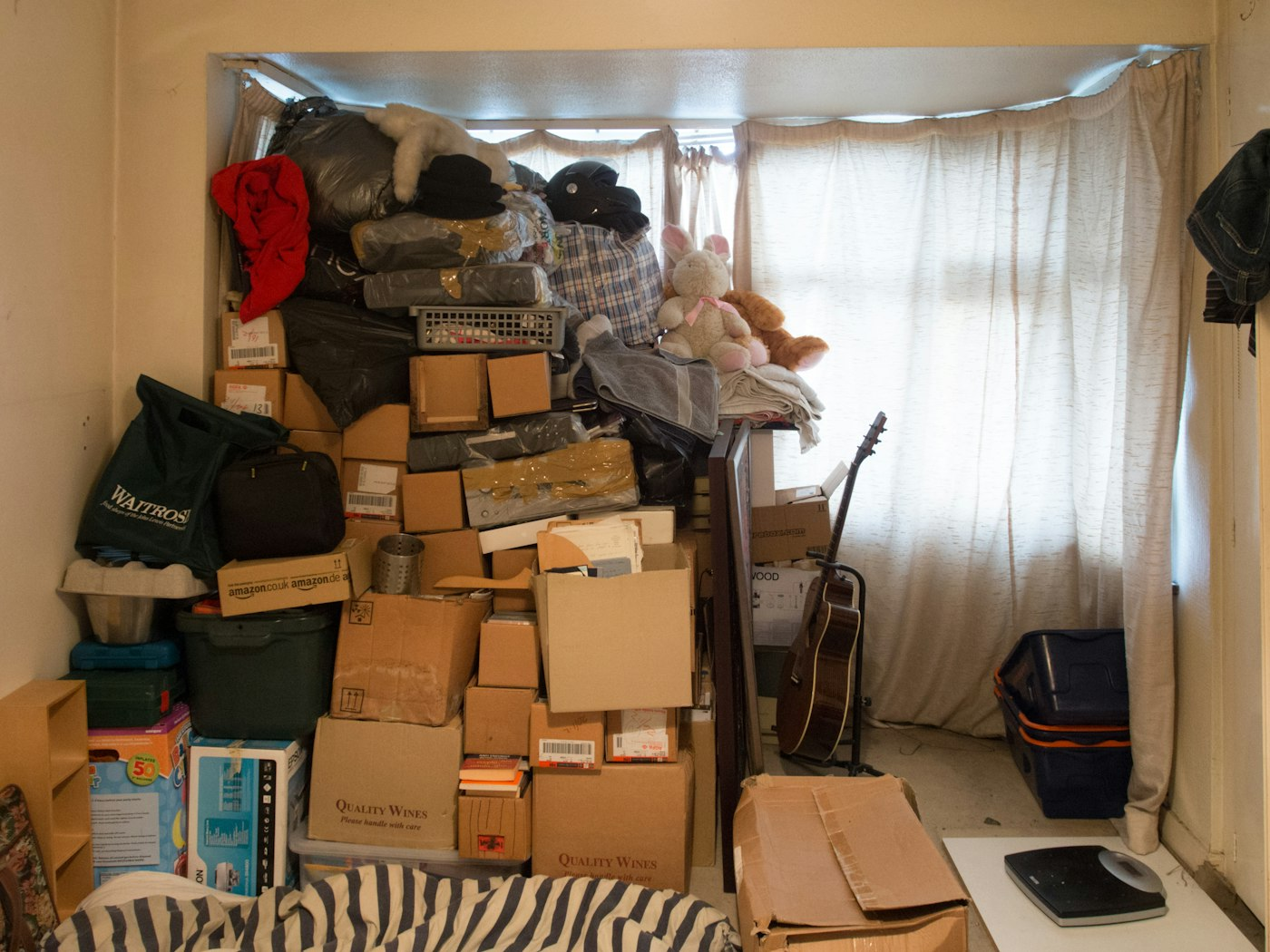
In a perfect move, you hand over the old keys in the morning and pick up the new ones that afternoon. Real life is messier. A lease may end before closing, a sale may close before a purchase or a closing date may slip a week. In summer, when many households are trying to move before school starts, those gaps are common. The key is to plan for one before you need it.
Options for a place to stay
- Extend where you are. If you rent, ask your landlord early about a short extension or a month-to-month arrangement. If you are selling, a rent-back agreement with your buyer may let you stay after closing.
- Family and friends. Staying with people you know is often the simplest option for a short gap. Be clear about how long you expect to stay and how you will share costs and space.
- Extended-stay hotels. Rooms with kitchenettes and weekly rates can work for a few weeks, and they are usually easy to book.
- Furnished short-term rentals. Apartments or houses rented by the week or month offer more room for a household and pets. Read the cancellation terms closely, since your dates may move.
- Employer help. If you are relocating for work, ask whether your employer offers temporary housing or a relocation benefit.
Options for your belongings
Your furniture needs a place to wait too. Many moving companies can hold belongings in their own warehouses, an arrangement often called storage in transit, so your things are loaded once and delivered when the new home is ready. Portable containers can be packed at your old home, kept at the company’s facility and delivered later. Self-storage units give you the most access, but you will usually handle loading and unloading yourself.
In summer, think about heat. Electronics, photographs, wood furniture, musical instruments and important papers fare better in climate-controlled storage. Ask how the facility handles security and pests, and read the contract for access hours and fees.
Insurance and paperwork
Ask your insurance agent whether your current renters or homeowners policy covers belongings in storage or in transit, and whether limits apply. Storage facilities and moving companies offer their own protection options, which work differently from insurance, so ask what each covers. Keep an inventory of what went into storage, with photos.
If you will be at an interim address for a while, the Postal Service offers temporary mail forwarding. Tell your lender, employer and children’s schools how to reach you, and if you need to enroll children while living somewhere temporary, ask the school district early what proof of residency it accepts.
Pack for the in-between
Pack a separate set of suitcases or bins for the gap, as though you were leaving on a long trip: clothing for a few weeks, medications, work equipment, school supplies, chargers, important documents and a few comforts from home. Label everything else clearly for storage, so you are not digging through a container for a missing laptop cord.
A gap between homes is rarely anyone’s first choice, but with a plan it can be manageable and even restful. If your timeline is still taking shape, our contact page is a good place to start the conversation.
A Sample Plan for a Two-Week Gap
Seeing a gap laid out can make it feel more manageable. Here is a general example of how a household might handle two weeks between selling one home and closing on another.
- When both contracts are signed: Compare the closing dates and confirm the size of the gap. Ask your agent whether a short rent-back with your buyer is possible before arranging other housing.
- Four to six weeks before the first closing: Book temporary housing with flexible cancellation terms. Reserve storage in transit with your mover or reserve a portable container.
- Two to three weeks before: Pack your “in-between” bags and bins separately and label them clearly so they do not go into storage.
- Moving out: The movers load everything else and take it to storage. You head to your temporary housing with your essentials.
- During the gap: Stay in touch with your lender and closing company, respond to document requests quickly and monitor your new closing date.
- Closing on the new home: Schedule delivery from storage for a day or two after closing to allow for any delays.
Comparing Your Options at a Glance
Each kind of short-term housing and storage has trade-offs. Thinking through these questions can help you choose:
- How long is the gap? A few days may be easiest with family or a hotel. Several weeks may call for a furnished rental.
- Who is coming with you? Children and pets need space, routines and pet-friendly policies.
- How much flexibility do you need? If dates may shift, cancellation and extension terms matter more than the lowest rate.
- Where do you need to be? Staying near work or school reduces daily stress.
- How often will you need your belongings? If you will need access, a self-storage unit may be worth the extra effort. If not, storage in transit can be simpler.
Mistakes That Make the In-Between Harder
- Booking non-refundable housing. Closing dates can move, and a rigid booking can cost you.
- Packing essentials into storage. Once your belongings are in a warehouse or container, getting a single box out can be difficult.
- Forgetting pet policies. Many hotels and rentals limit or exclude pets, or charge extra fees. Confirm before booking.
- Not updating your address. Lenders and closing companies may send important documents by mail. Make sure they know where to reach you.
- Underestimating the strain. Living out of suitcases is tiring. Keep routines where you can and plan small comforts for the household.
Questions Readers Ask About Gaps Between Homes
Can I store my belongings at the new home before closing?
Only if the seller agrees in writing, and that arrangement carries risks if the sale does not close. Most buyers wait until they own the home.
Does my car insurance or homeowners policy cover items in my vehicle during the gap?
Coverage for personal items in a vehicle can vary between auto and homeowners or renters policies. Ask your insurance agent so you know where you stand.
Is a gap ever a good thing?
Some households find a short break useful for cleaning, painting or small projects at the new home before the furniture arrives.


