
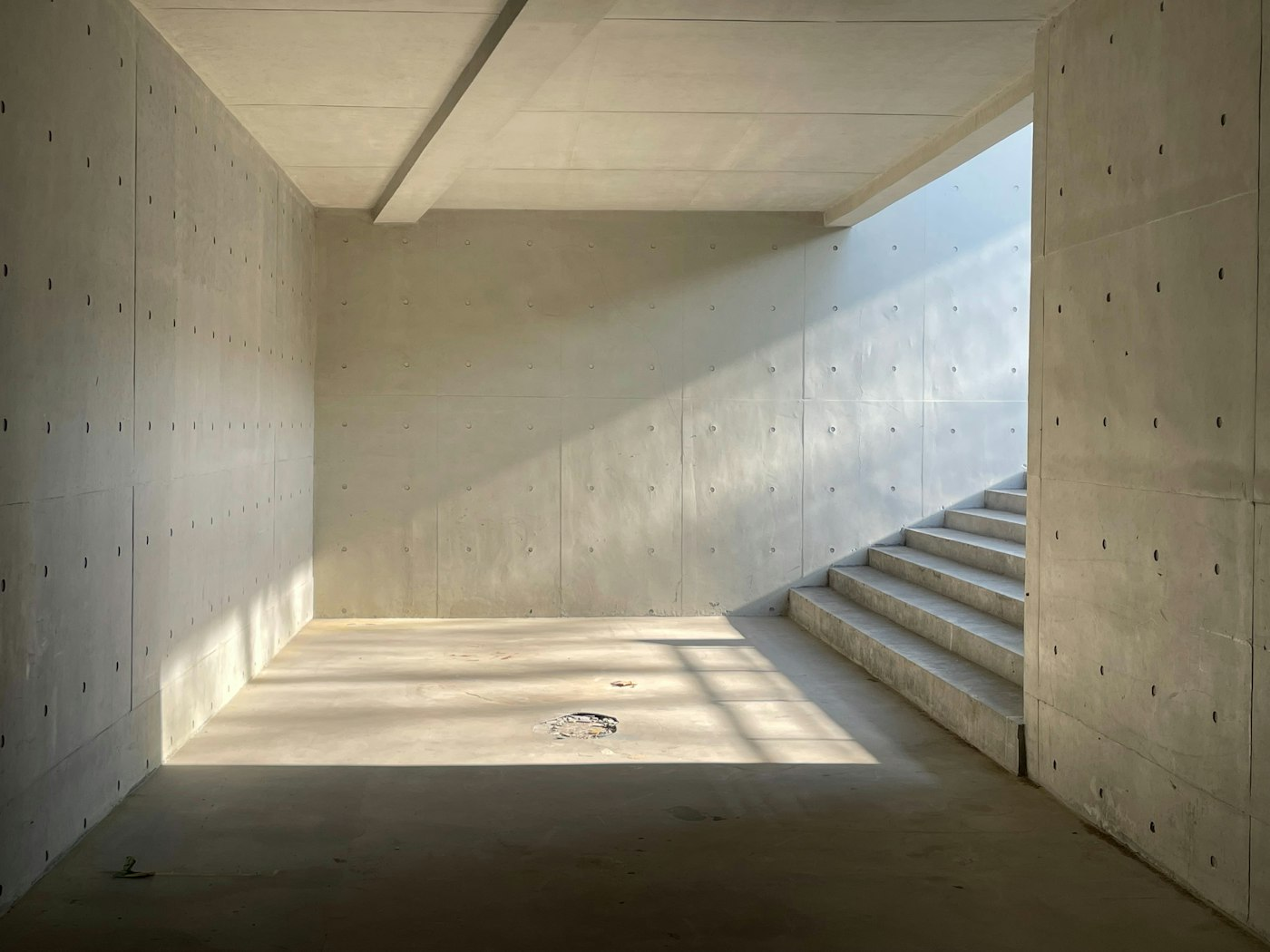
Many buyers spend most of a showing in the kitchen and the primary bedroom and only glance at the basement on the way out. That is a missed opportunity. The space beneath a house, whether a full basement or a crawl space, often holds the clearest clues about moisture, structure and maintenance. As humid summer weather arrives, those clues can be easier to spot.
Use your nose and your eyes
A musty smell is one of the most telling signs of excess moisture, so notice the air the moment you open the basement door. Then look for:
- Water stains or tide lines on walls, floors or the bottoms of stored items
- A white, chalky residue on concrete or block walls, called efflorescence, which forms when water moves through masonry
- Rust on the bases of appliances, support posts or the water heater
- Peeling paint, bubbling wall coatings or warped paneling
- Fresh paint on just one section of wall or floor, which can sometimes cover past staining
- Dehumidifiers running hard, or fans aimed at one area
A dehumidifier is not a red flag on its own, since many dry basements use one in summer. It simply means moisture management is part of owning this home.
Check the foundation and structure
Look at the foundation walls for cracks. Thin cracks are common in concrete as it cures and are not necessarily a concern. Wider cracks, horizontal or stair-step cracks in block walls, or walls that bow inward deserve your inspector’s attention and possibly a structural engineer’s opinion. Look at beams and support posts for damage or makeshift repairs, and check the floor framing overhead for water stains, rot or sagging.
Crawl spaces deserve a look too
Crawl spaces are cramped and dark, so few buyers peek inside. Your inspector should enter if it is accessible, but you can shine a flashlight through the access opening. Look for standing water, a plastic vapor barrier covering the soil, insulation that is sagging or wet, and signs of pests or animals. Some crawl spaces are vented to the outside, while others are sealed and conditioned. Each approach has its own maintenance needs, so ask your inspector what the current setup means for you.
Ask about water management
If you see a sump pump, ask how often it runs and whether it has a battery backup. Ask whether the basement has ever taken on water and what was done about it. Check the seller’s disclosure for past water problems or waterproofing work, and ask whether any work came with a transferable warranty. Outside, notice whether gutters and downspouts carry water well away from the house.
Finished basements
A finished basement adds living space, but walls and flooring can hide moisture problems. Ask whether the work was permitted, look at the bottom of the drywall for staining or swelling, and check that any room used as a bedroom has a proper emergency exit. Carpet in basements can trap moisture, so look and smell closely. None of this replaces a professional inspection, but arriving with notes and questions helps you get far more out of it.
A Flashlight Tour of the Lowest Level
A small flashlight and five extra minutes can tell you a great deal about a home. Work through the space in a set order so nothing is skipped.
- Pause at the top of the stairs. Notice the smell and the feel of the air. Cool and dry is ideal; damp and heavy is a clue.
- Look at the stairs themselves. Are treads solid, and is there a handrail?
- Walk the perimeter. Shine the light along the base of each wall where it meets the floor, since that is where water typically shows first.
- Look up. Check the underside of the floor above, especially below bathrooms and the kitchen, for stains or damp wood.
- Find the mechanicals. Note the age and condition of the water heater, furnace or air handler, and look for rust or water around their bases.
- Check the floor drain and sump pit, if present. A dry, clean pit with a working pump is reassuring. A pit full of debris is worth asking about.
- Peek behind stored items. Without moving the seller’s belongings, look at corners that are partly hidden.
Moisture in a Humid Climate
In a place with warm, humid summers, basements and crawl spaces often deal with condensation as well as water from outside. When warm, moist air meets cool surfaces underground, moisture can form on walls, pipes and ductwork. That is one reason dehumidifiers are common, and why ventilation and vapor barriers matter so much in crawl spaces. Clay soils, which are common in parts of Georgia, can also hold water against foundations after heavy rain. None of this is unusual, but it means good drainage outside and moisture control inside are part of routine care.
Questions to Ask the Seller
- Has the basement or crawl space ever had standing water, and when?
- Has any waterproofing, drainage or encapsulation work been done? Is there a warranty, and does it transfer?
- How often does the sump pump run during heavy rain?
- Is the dehumidifier on a drain line, or does it need to be emptied?
- Has there been any foundation repair or evaluation by an engineer?
- Have there been any problems with pests or animals under the house?
Common Mistakes Buyers Make
- Skipping the space entirely. A quick look is better than none, even if the inspector will go further.
- Judging by a dry day. Many water issues appear only after heavy rain. Look for evidence of past moisture, not just current conditions.
- Assuming a finished basement is dry. Finishes can hide problems. Ask about history and look carefully at edges.
- Overreacting to hairline cracks. Small shrinkage cracks are common. Let the inspector help you sort normal from concerning.
Questions Buyers Ask
Is a crawl space worse than a basement?
Not necessarily. Each foundation type has its own strengths and maintenance needs. A well-maintained crawl space can perform very well.
What is crawl space encapsulation?
It generally means sealing the crawl space with a heavy vapor barrier and controlling humidity, sometimes with a dehumidifier. A qualified contractor can explain whether it suits a particular home.
Should I get a specialist’s opinion?
If your inspector recommends it, yes. A structural engineer or waterproofing professional can provide more detail during your inspection period.


