
Every spring, millions of people walk outside, look at a patch of grass and feel a small obligation to make it green and even. The lawn is so woven into the American idea of home that it seems like it has always been there. In fact it is a fairly recent arrival, and its story explains a lot about why buyers still respond to a well-kept yard.
Aristocratic origins
The closest ancestors of the lawn were the grazed meadows and clipped grounds of large English and French estates in the seventeenth and eighteenth centuries. Grass kept short by sheep or by servants with scythes was a display of wealth: land that produced nothing but a view. The look crossed the Atlantic with wealthy landowners, and early American estates adopted the open, grassy foreground as a sign of refinement. For ordinary households, keeping grass short by hand was far too much work.
The machine that changed everything
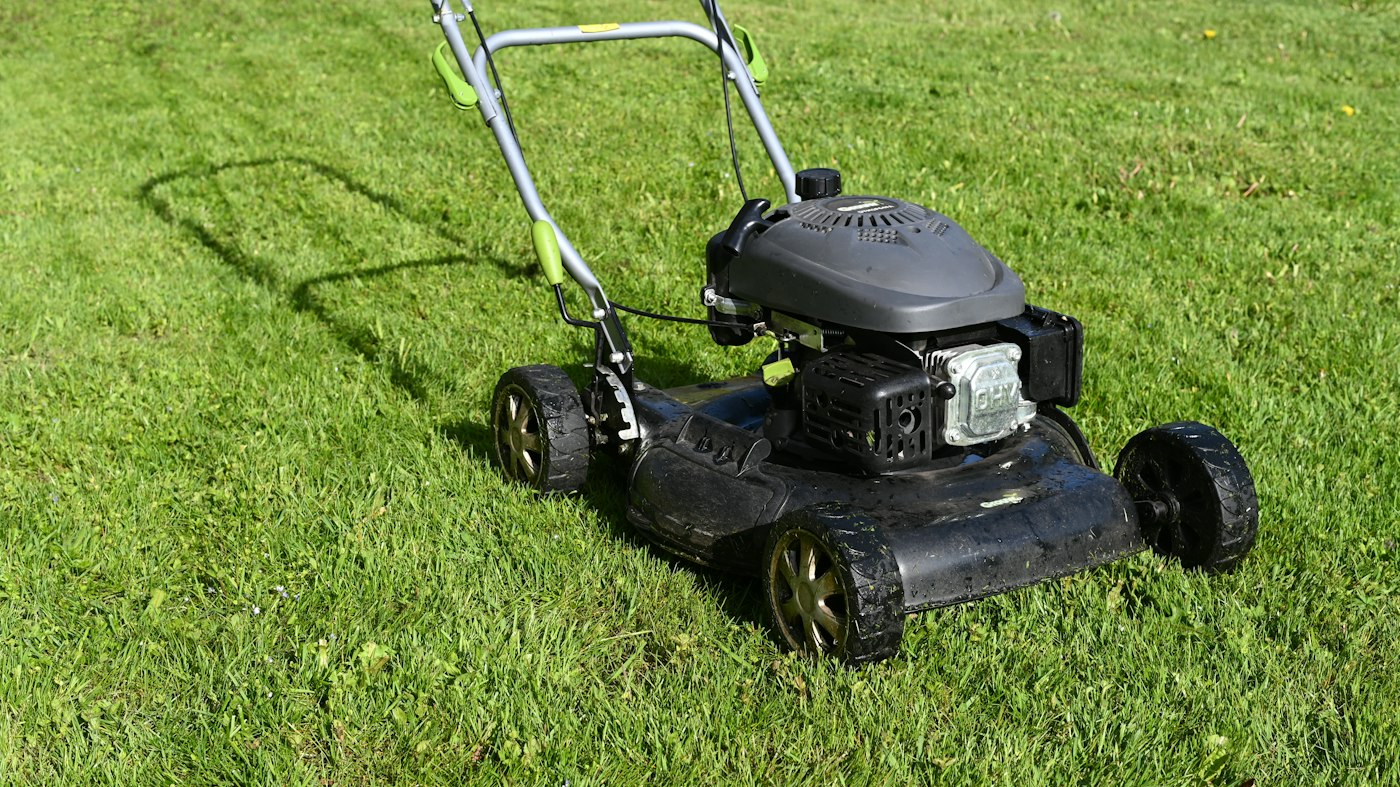
In 1830, an English engineer named Edwin Budding patented a mechanical lawn mower, adapting a machine used to trim the nap of cloth. Over the following decades mowers became lighter, cheaper and widely available, and the lawn stopped being a luxury that required a staff. For the first time a household of modest means could keep a tidy green yard with a weekend’s effort.
The suburb and the setback
Nineteenth-century American landscape writers promoted the lawn as a mark of a civilized home and a healthy setting. The idea took physical form in planned suburbs. Frederick Law Olmsted’s design for Riverside, Illinois, in the late 1860s set houses well back from curving streets behind open front lawns with no fences, so that each yard flowed into the next and the whole neighborhood read as a continuous park. That arrangement, with the private house presented across a shared green foreground, became the template for American residential streets.
The postwar lawn
After World War II, the mass-produced suburb put a lawn in front of millions of new houses almost at once. Developments like the Levittowns came with sod and, in some cases, rules about keeping it mowed. Garden hoses, sprinklers, rotary mowers and bagged fertilizer made upkeep easy, and turfgrass research produced varieties suited to different climates. The lawn became a weekly ritual and a quiet social contract: your yard was part of everyone’s view, so you kept it up.
Today, the lawn’s dominance is debated. Water restrictions in dry regions, concern about chemical runoff, and interest in native plants and pollinator gardens have led many homeowners to shrink their lawns or replace parts of them with beds, groundcovers and meadows. Local rules and homeowners associations sometimes still require turf, so homeowners considering a change should check what applies to them.
What it means for buyers and sellers
For sellers, the history explains an instinct buyers still carry: a mowed, edged, green front yard signals that the home is cared for, even before anyone steps inside. That does not require a perfect lawn. Edged beds, a fresh cut and a tidy walkway do most of the work. For buyers, it is worth remembering that a lawn is a commitment of time and water, and that the yard which photographs beautifully in April will need the same attention every spring that follows.
Grass, Climate and the Southern Yard
The lawn that began as an English estate feature had to adapt once it spread across a country with very different climates. The grasses that thrive in cool, damp places struggle in long, hot summers, and the reverse is also true. That is why turfgrasses are often grouped into two broad families.
- Cool-season grasses, such as tall fescue and Kentucky bluegrass, grow most actively in spring and fall and can slow down or brown in the heat of summer.
- Warm-season grasses, such as Bermuda, zoysia and centipede, grow most actively in the heat and typically go dormant and tan in winter.
Much of Georgia, including the northern part of the state, sits in what turf specialists call a transition zone, where neither family is perfectly at home all year. That is why you will see both kinds of lawns in the same area, and why one yard may be green in January while the one next door is straw-colored. A dormant warm-season lawn in winter is normal, not a sign of neglect, and buyers touring in the cooler months should keep that in mind.
Reading a Lawn When You Tour a Home
A yard can tell you a lot about a property beyond how recently it was mowed. When you walk the grounds, look for:
- Bare patches under trees, which often mean the area is too shady for the grass that was planted. Shade-tolerant groundcover or mulch may be a better long-term answer.
- Soggy or unusually lush strips, which can point to drainage problems, a leaking irrigation line or, on homes with septic systems, something worth asking the inspector about.
- Erosion on slopes, visible as exposed roots, washed-out soil or gullies near downspouts.
- Irrigation heads, which suggest an irrigation system you will want to ask about: its age, its zones and how it is winterized.
- Grading near the foundation. Soil should slope away from the house so water drains away rather than toward it.
Questions to Ask About the Yard
- What type of grass is planted, and has it been overseeded or resodded recently?
- Is there an irrigation system, and are there records of its service?
- Has the yard been on a fertilizer or weed control program, and with whom?
- Are there any homeowners association rules about lawn appearance, fencing or replacing turf with other plantings?
- Where does water go during a heavy rain?
Smaller Lawns, Same Curb Appeal
Buyers who love the look of a green yard but not the weekly maintenance have more choices than ever. Some homeowners keep a modest panel of grass in front, where it frames the house, and turn the rest of the yard into planting beds, mulched areas under trees or native plantings that need less water once established. Others widen borders along the walkway and foundation so there is simply less to mow.
For sellers, the same idea applies on a short timeline. A smaller lawn that is crisply edged and freshly cut often reads better than a large one that is patchy. Fresh mulch, a clean line where grass meets beds and a few healthy shrubs can carry the curb appeal that a perfect carpet of turf once did. The lawn’s long history is really a story about care, and care is what buyers are looking for when they pull up to the curb.


