
For sellers, the last few days before closing can be a blur of boxes and paperwork. It is tempting to load the truck and go. But how you leave the house matters to the buyer, to the final walk-through and, sometimes, to your obligations under the contract. This checklist helps you hand over the home cleanly and on good terms.
Review your contract first
Before you pack the last rooms, reread your purchase agreement with your agent. Confirm the possession date and time, which items are included and excluded, any repairs you agreed to complete and how clean the home must be. Some contracts call for the home to be left “broom clean”; others use more specific language. Knowing your obligations prevents last-minute disputes at the walk-through.
Finish repairs and gather receipts
Complete any repairs you agreed to, using licensed professionals where required, and gather the receipts, invoices and warranties. Your agent will typically share these with the buyer’s agent before closing. If a repair is running late, tell your agent right away so the parties can discuss options while there is still time.
Leave what the next owner needs
Gather everything a new owner will need and leave it somewhere obvious, such as a kitchen drawer or the counter:
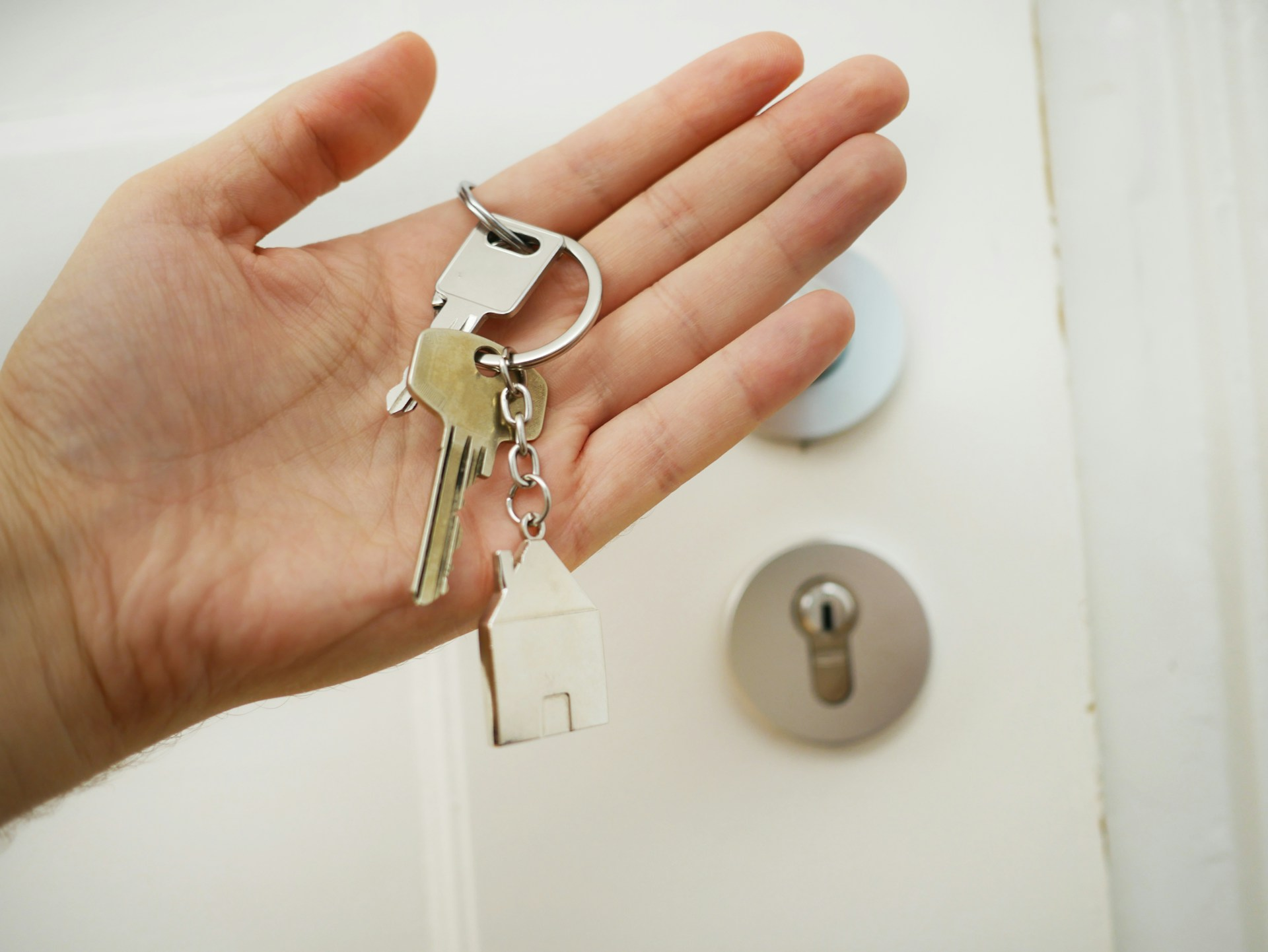
- All house keys, including spares, mailbox keys and keys to sheds or gates
- Garage door remotes and any gate or community access cards
- Alarm codes and the security company’s contact information
- Manuals and warranties for appliances, systems and fixtures that stay
- Labeled leftover paint, flooring or tile, which helps with future touch-ups
- A short note about quirks, such as an unlabeled breaker or the sprinkler schedule
Handle utilities and services
Schedule utilities to stop in your name the day after closing or possession, not before, so the buyer can do the final walk-through with power and water on. Cancel or transfer services like internet, trash pickup, lawn care and pest control, and confirm whether any contracts are meant to transfer to the buyer. Remove smart devices from your accounts, or reset them if they are staying. File a change of address with the postal service so mail follows you instead of piling up for the new owners.
Do the final sweep
Once the truck is loaded, walk through every space, including the attic, basement, garage, closets, cabinets and the space under sinks. Take everything that does not convey, and leave everything that does. Clean as your contract requires, at a minimum sweeping floors, wiping counters and emptying the trash and recycling. Close and lock windows and doors, and turn off lights. In summer, leave the air conditioning on at a reasonable setting to protect the home from heat and humidity until the buyer arrives.
A well-prepared handover makes for a smooth final walk-through and a buyer who starts life in your former home on a good note. It is a small, satisfying way to close a chapter.
A Day-by-Day Countdown for the Final Week
Spreading the handover tasks across the last week keeps the final day from becoming overwhelming. Here is one way to organize it.
Seven days out
- Confirm your moving company, truck rental or helpers and your arrival plans at your next home.
- Check in with your agent about any outstanding repairs, paperwork or walk-through scheduling.
- Start a “leave behind” box for keys, remotes, manuals and the house notes you plan to leave.
Five days out
- Pack rooms you use least, such as guest rooms, the attic and storage areas.
- Schedule a donation pickup or a junk removal service for items you are not taking.
- Arrange for hazardous items, such as old paint, chemicals or propane tanks, to be disposed of according to local rules.
Three days out
- Confirm utility stop dates and service cancellations.
- Empty and clean the refrigerator and freezer if they are staying, and defrost the freezer if needed.
- Gather receipts for completed repairs and send them to your agent.
Moving day
- Keep a small essentials bag with documents, medications, chargers and anything you need for closing.
- Walk every space before the truck leaves, then do the final sweep and lock up.
- Take a short video of each room as you leave, showing its condition.
Handover Mistakes That Lead to Walk-Through Problems
- Taking items that convey. Fixtures such as light fixtures, built-in shelving or mounted brackets may be included in the sale. If you are unsure whether something stays, check the contract or ask your agent before removing it.
- Leaving items that do not convey. Old paint cans, furniture, yard debris or garage clutter can lead to disputes or requests for removal costs.
- Turning off utilities too early. Without power and water, the buyer cannot test systems at the walk-through, which can delay closing.
- Forgetting outdoor areas. Sheds, crawl spaces, side yards and under decks are easy to overlook.
- Not mentioning a problem that arose after the contract. If something broke or was damaged after you signed, tell your agent right away so it can be addressed before the walk-through.
Questions Sellers Ask About Moving Out
Do I have to hire professional cleaners?
That depends on your contract. Many agreements simply require the home to be left in a reasonably clean condition. Some sellers hire cleaners for peace of mind, especially if they are moving far away.
What if I cannot be out by the possession time?
Talk with your agent as early as possible. Options may include a short rent-back or another written agreement with the buyer, but those require the buyer’s consent and should be documented.
Should I leave a welcome note?
It is not required, but many buyers appreciate a short note with practical information such as trash pickup days, which breaker controls the garage or the name of a trusted service provider.
What should I do with appliance manuals I cannot find?
Many manufacturers post manuals online by model number. You can write the brand and model number of each appliance on a sheet of paper and leave it with the keys, so the buyer can look up anything they need.
Should I be present at the buyer’s final walk-through?
Sellers are usually not present. The buyer typically walks through with their agent, and your agent can relay any questions. Leaving before the walk-through gives the buyer room to look at the home freely and makes for a smoother experience on both sides.
What about mail that arrives after I move?
A change of address with the postal service helps, but update your address directly with banks, insurers, subscriptions and government agencies, too, since forwarding is temporary.


