
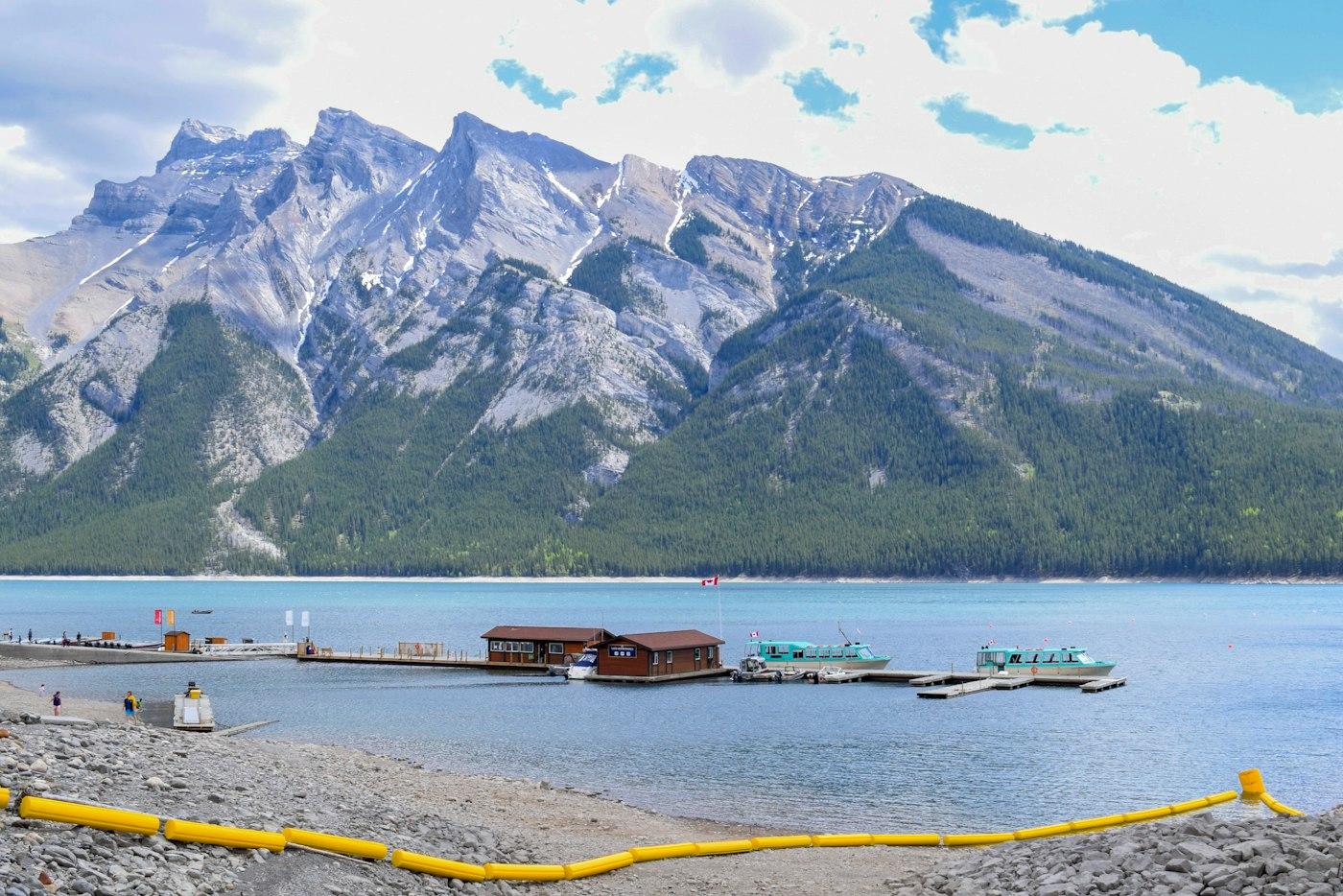
Mountain property values come down to three things: the view, water on or near the property, and privacy. Few homes have all three at a reasonable price. Understanding how each one affects value, and deciding which one matters most to you, is the key to shopping smart in the North Georgia mountains.
Here is how to think about each factor, what to check before you buy, and how to rank them so you can find the right home without overpaying for features you do not really need.
Why These Three Drive Mountain Prices
In a typical suburban market, price is driven largely by square footage, bedrooms, school zones and finishes. Those still matter in the mountains, but the setting often matters more. Two cabins with nearly identical floor plans can be priced very differently because one has a long-range view and the other looks into the trees, or because one sits on a creek and the other does not. Buyers come to the mountains for the experience of the land, and they pay for it.
That is why it is so important to know what you are paying for and whether it will hold its value.
Views: The Long-Range Premium
Long-range views command premiums. A layered view of ridgelines fading into the distance is one of the most sought-after features in the mountains, and homes that have one often sell faster and for more.
Ask whether trees will grow into it
A view is not always permanent. Trees on your property, a neighbor’s property or protected land below can grow and gradually close it off. Ask:
- Is the view over land the seller owns, or over someone else’s property?
- Are there view easements or HOA rules that allow trimming?
- When was the view last cleared, and how quickly does growth return?
- Is the view year-round or only in winter when leaves are down?
Winter-only views are common and still lovely, but they should be priced differently from a year-round long-range view.
Other view considerations
Homes with big views often sit high on a ridge, which can mean steeper driveways, more wind exposure and more challenging winter access. Weigh the view against the daily realities of getting to and from the house.
Water: The Top Premium
Creek, river or lake frontage is the top premium. The sound of moving water, the chance to fish or paddle from your own property, and the simple pleasure of sitting beside a stream make water features some of the most desirable in the market.
Check flood maps
Water also brings responsibility. Check flood maps before you fall in love. FEMA flood zone designations show whether a property sits in a high-risk area, and that affects whether your lender requires flood insurance and what it costs. Ask:
- What flood zone is the home in?
- Is there an elevation certificate?
- Has the property ever experienced high water?
- What would flood insurance cost?
Know the rules
Lake properties come with shoreline and dock rules that vary by lake, and river or creek properties can come with setback requirements for building near the water. Make sure you know what you can and cannot do before you buy.
Privacy: Acreage and Setback
Privacy comes from acreage and setback: how much land surrounds the home and how far the house sits from the road and neighbors. Many buyers come to the mountains specifically for peace and quiet, and a secluded property can feel like a world apart.
Balance against access and maintenance
Privacy has tradeoffs. Balance it against access and maintenance. A home at the end of a long gravel drive may be very private, but it can also be harder to reach in ice, farther from services and more work to maintain. Large acreage means more mowing, clearing, fencing and road upkeep. Ask yourself how much land you will actually use and enjoy, and how much you are willing to maintain.
Finding the Right Balance
Few homes have all three at a reasonable price. A home with a long-range view, creek frontage and complete privacy will usually be priced at the top of the market. Most buyers find their best value by prioritizing one or two features and accepting less of the third.
Some common combinations:
- View plus privacy: a ridge-top cabin on acreage, often with more challenging access.
- Water plus privacy: a creek-side home tucked in a valley, usually without a long-range view.
- View plus water: often found on lakes, typically with less acreage and closer neighbors.
Ranking Your Priorities
Decide which matters most before you shop. Ask yourself:
- When I picture my perfect morning here, what am I looking at?
- Do I want to be on the water, or is being near it enough?
- How close do I want to be to neighbors and to town?
- How much land do I realistically want to maintain?
- If I plan to rent the home, which feature will guests value most?
- Which of these features would I be willing to give up for a better price?
Writing down your answers before you tour helps you stay focused. It is easy to be swept away by a stunning view and forget that you really wanted a creek, or the other way around.
How We Help
Sherry helps buyers rank them. We talk through how you plan to use the home, what tradeoffs you are comfortable with, and which properties offer the best balance for your budget. We also help you ask the right questions about view permanence, flood risk and access so you understand exactly what you are buying.
What to do this week
- Rank view, water and privacy from most to least important.
- Decide on one feature you are willing to compromise on.
- Look up flood maps for any water property you are considering.
- Talk with Sherry about homes that match your top priorities.


