
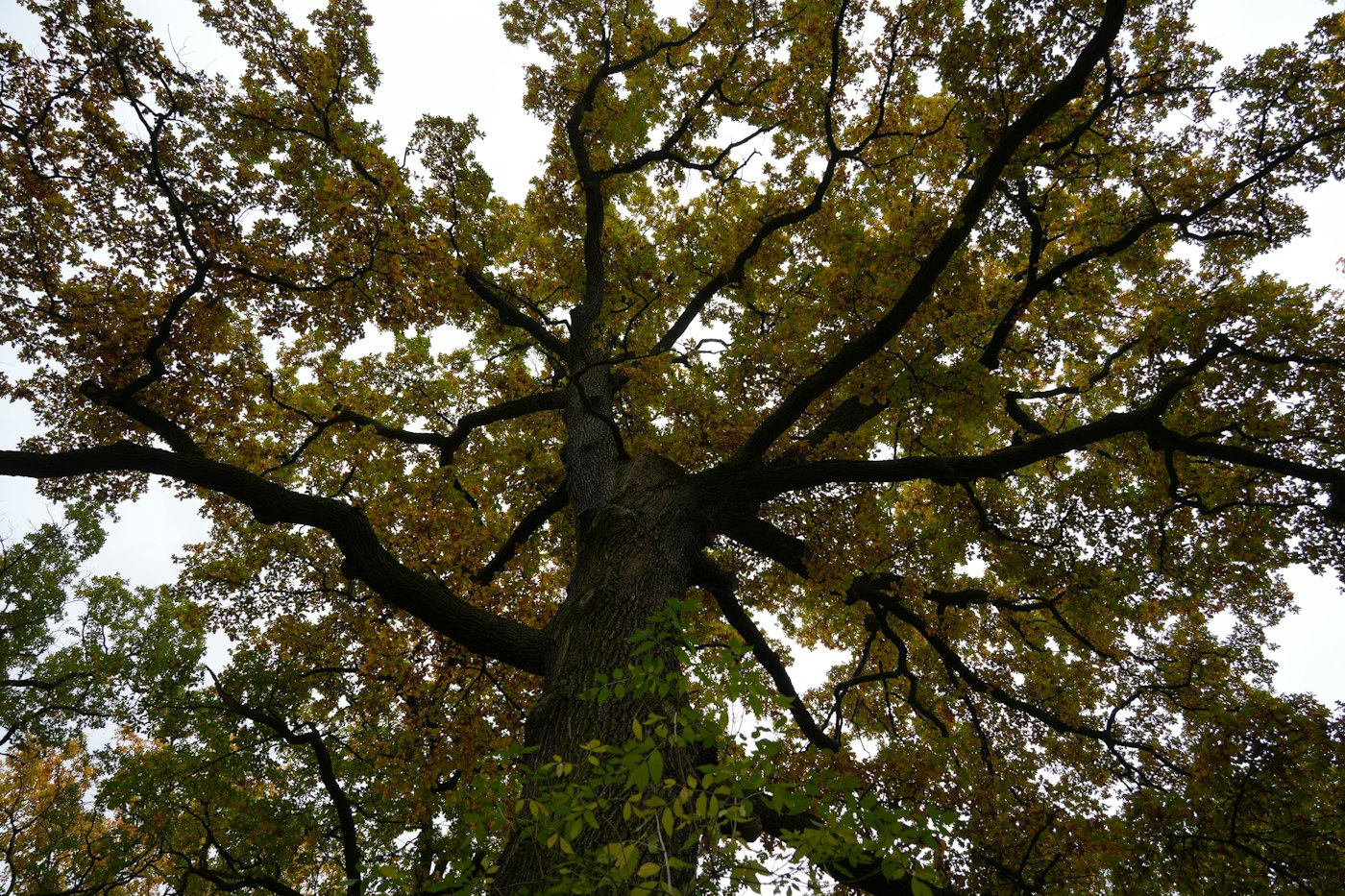
Fall showings help homes show at their best, and demand peaks. In the North Georgia mountains, October and early November bring long-range views framed in red, orange and gold, cool air that makes a fireplace feel just right, and a steady stream of buyers who have been waiting all year to look. For sellers, that combination is powerful. But one principle holds no matter how beautiful the hillsides are: pricing should reflect comps, not the scenery. The season helps, but it does not change what the market will pay. Here is how fall foliage affects buying and selling, and how to use the season wisely.
How the Season Helps Sellers
Homes show at their best
Fall color brings out the beauty of mountain properties. Views that look pleasant in summer can look spectacular in October. Wooded lots feel rich and inviting. Decks, porches and fire pits seem made for the season. Buyers who visit in fall often form a strong emotional connection with a home, and that connection can make them more decisive.
Demand peaks
Fall brings more visitors to the mountains, and many of them are serious buyers. Some have been watching listings online for months. Others decide to start looking after a weekend in the area. With more buyers in the market, well-priced homes often attract interest quickly, and homes with views or water features may draw multiple offers.
Buyers can see the home in context
Fall is a good time for buyers to see how a property feels in cooler weather, how the heating works, and how the views open up as leaves begin to fall. Sellers benefit when their home is ready to show those strengths.
Why Pricing Should Reflect Comps, Not Scenery
It is tempting to think that peak color justifies a higher price. After all, the home looks its best. But buyers, lenders and appraisers rely on comparable sales, not the view on a single day.
What comparable sales are
Comparable sales, or comps, are recently sold homes similar to yours in location, size, condition, features and setting. A careful market analysis adjusts for differences, such as a better view, more acreage, a newer roof or easier road access, to arrive at a realistic value.
Why appraisals matter
If a buyer is financing, the lender will order an appraisal. The appraiser looks at comparable sales, not the foliage. If a home is priced above what the comps support, the appraisal may come in low, which can lead to renegotiation or a failed sale.
What happens when homes are overpriced
Overpriced homes often sit while well-priced homes sell. As the leaves drop and buyer traffic slows, an overpriced listing may need price reductions later in the year, sometimes ending up lower than if it had been priced right from the start. Homes that linger can also raise questions in buyers’ minds about what might be wrong.
Views Are Part of Value, All Year
That said, views do matter. A long-range mountain view is a lasting feature that can add value, and comparable sales with similar views reflect that. The key distinction is between a permanent feature and a seasonal effect. A home with a year-round view of the ridges has a feature that comps can capture. A home that looks especially colorful for a few weeks in fall does not have a different value because of the timing.
It is also worth noting that some views change with the seasons. In wooded areas, winter can actually open up views when leaves fall. Buyers who see a property in fall may want to ask what the view looks like in summer and winter.
How Sellers Can Make the Most of Fall
- Price it right from the start. Use a thorough market analysis based on recent comparable sales.
- Photograph the season. Fall photos can make listings stand out. Consider updating photos as seasons change if the home is still on the market.
- Clean the windows and clear the views. Make sure buyers can see what makes the property special.
- Keep up with leaves. Rake walkways, clean gutters and sweep decks so the home looks cared for.
- Make it cozy. Have the fireplace and heat ready, and use warm lighting for late-afternoon showings.
- Make access easy. Flexible showing times help you reach more of the season’s buyers.
What Buyers Should Keep in Mind
Fall can be an exciting time to shop, but it is important to keep a clear head.
- Look past the color. Ask yourself whether you would still love the home in late winter, when the trees are bare and the ground is muddy.
- Focus on fundamentals. Location, condition, road access, well and septic, utilities and comps matter more than a stunning afternoon.
- Ask about seasonal changes. How does the view look in summer? Does the road ice over in winter?
- Be ready but disciplined. Competition is real in fall, so have financing ready, but do not let the scenery push you past your budget.
- Watch for later opportunities. Homes that do not sell in fall sometimes see price adjustments in December and January.
What to Do Next
Fall foliage is one of the great joys of living in the mountains, and it can give sellers a real advantage. The best results come when that seasonal appeal is paired with realistic pricing and good preparation.
- Sellers: request a market analysis based on recent comps before setting a price.
- Sellers: prepare your home to show its best during the fall season.
- Buyers: get your financing ready and focus on fundamentals as you tour.
- Both: reach out to Sherry to talk about timing and strategy for your part of Gilmer, Fannin or Pickens County.
The leaves will fall, but a well-priced, well-presented home will always find its buyer.


