
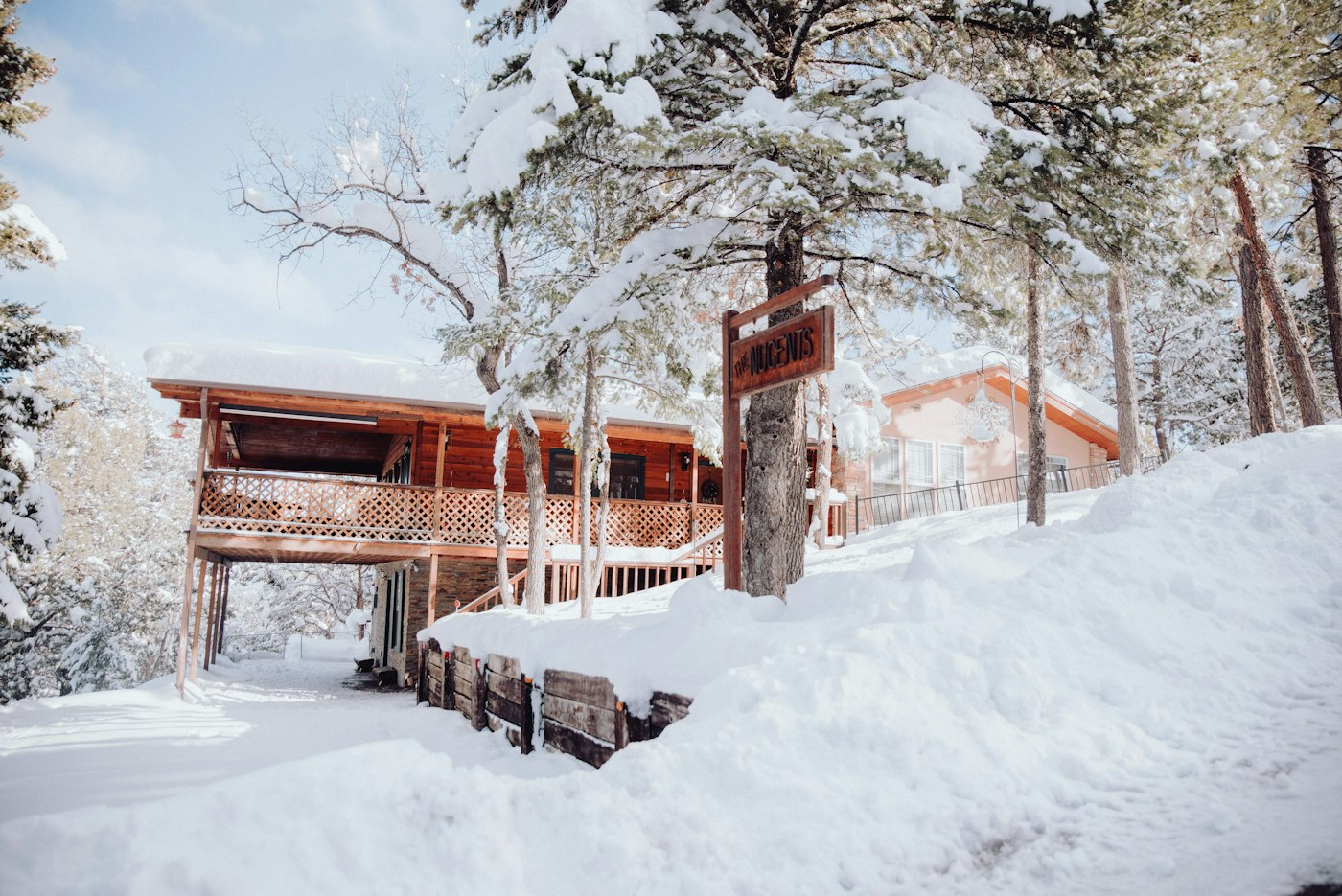
Seasonal owners should winterize before leaving. If your mountain home sits empty for weeks or months during the colder part of the year, a little preparation in the fall can prevent frozen pipes, water damage, pest problems and storm damage while you are away. North Georgia winters are generally milder than those farther north, but cold snaps, ice storms and freezing nights do happen, and an empty house is the most vulnerable kind. Here is a practical checklist, along with the reasons behind each step.
Why Winterizing Matters
The biggest risk to a vacant home in winter is water. A single burst pipe can release a large amount of water before anyone notices, soaking floors, walls and ceilings and leading to mold. Other risks include ice dams on the roof, pests looking for warmth, wind damage to outdoor items and power outages that can leave a home without heat.
When you live in a home, you notice problems quickly. When you are away, small issues can grow for weeks. Winterizing reduces those risks and gives you peace of mind.
The Winterizing Checklist
Set thermostat to 55
Keep the heat on while you are away. Setting the thermostat to 55 degrees keeps the inside of the home warm enough to protect pipes in most conditions while keeping energy costs down. Pipes in exterior walls, crawl spaces and unheated areas are most at risk. Open cabinet doors under sinks on exterior walls so warm air can reach the pipes. If your home has a smart thermostat, you can monitor and adjust it remotely.
Shut off water or drain lines
Turning off the main water supply is one of the most effective protections. If a pipe does fail, there is far less water available to cause damage. For longer absences or homes that will not be heated, you may want to drain the lines completely:
- Shut off the main water valve.
- Open faucets, starting at the top floor, to drain the lines.
- Flush toilets to empty tanks.
- Drain or turn off the water heater according to the manufacturer’s instructions.
- If the home has a well, turn off power to the well pump.
- Disconnect, drain and store outdoor hoses.
- Shut off and drain exterior faucets if they are not frost-free.
If you are not comfortable draining the system yourself, a plumber can do it and can also restore it when you return. Some owners add antifreeze designed for plumbing to drains and toilet traps; follow product directions and consider septic system compatibility.
Clean gutters
Clogged gutters can overflow and contribute to ice dams, which trap water that can back up under the roof. Clean gutters after the leaves have fallen and make sure downspouts carry water away from the foundation. On wooded lots, gutter guards can help reduce clogs.
Secure outdoor furniture
Winter storms can bring strong winds. Store or secure porch chairs, cushions, umbrellas, grills and decorations. Loose items can blow into windows or off decks. Covering furniture and storing cushions also keeps them from mildewing.
Arrange a local check-in
Have someone local check on the home regularly. A neighbor, friend or property management service can walk through, check for leaks, confirm the heat is on and look for storm damage. Make sure they have a key, your contact information and a list of who to call for repairs. A check-in after a hard freeze or storm is especially valuable.
More Steps Worth Taking
- Unplug electronics to protect against power surges.
- Empty the refrigerator or leave only items that can handle an outage.
- Seal entry points around pipes, vents and doors to keep out mice and other pests.
- Close the fireplace damper and consider a chimney cap to keep out animals.
- Remove food from pantries that could attract pests.
- Service the heating system before you leave so it runs reliably.
- Consider monitoring devices such as water leak sensors, temperature alerts and smart cameras.
- Lock up and use timers on a few lights.
- Check your insurance policy for any requirements about vacant homes, heat and check-ins.
A Note About Insurance
Some homeowners policies have conditions for homes that are vacant or unoccupied for a period of time. They may require you to maintain heat, shut off water or have the home checked regularly. Review your policy or call your agent before you leave so you know what is expected. Following these steps can matter if you ever need to make a claim.
When You Return
- Walk through the home looking for leaks, stains or pest signs.
- Turn the water back on slowly and check for leaks.
- Restore power to the well pump and water heater.
- Run each faucet to clear air from the lines.
- Check smoke and carbon monoxide detectors.
- Look over the roof, gutters and deck for storm damage.
For Buyers of Seasonal Homes
If you are buying a mountain home you will use part-time, ask the seller how they have winterized it, whether pipes have ever frozen and who has checked on it. Factor a check-in service into your ownership costs.
Your Winterizing Checklist
- Set thermostat to 55.
- Shut off water or drain lines.
- Clean gutters.
- Secure outdoor furniture.
- Arrange a local check-in.
- Talk with Sherry if you would like suggestions for planning ownership of a seasonal home.


