
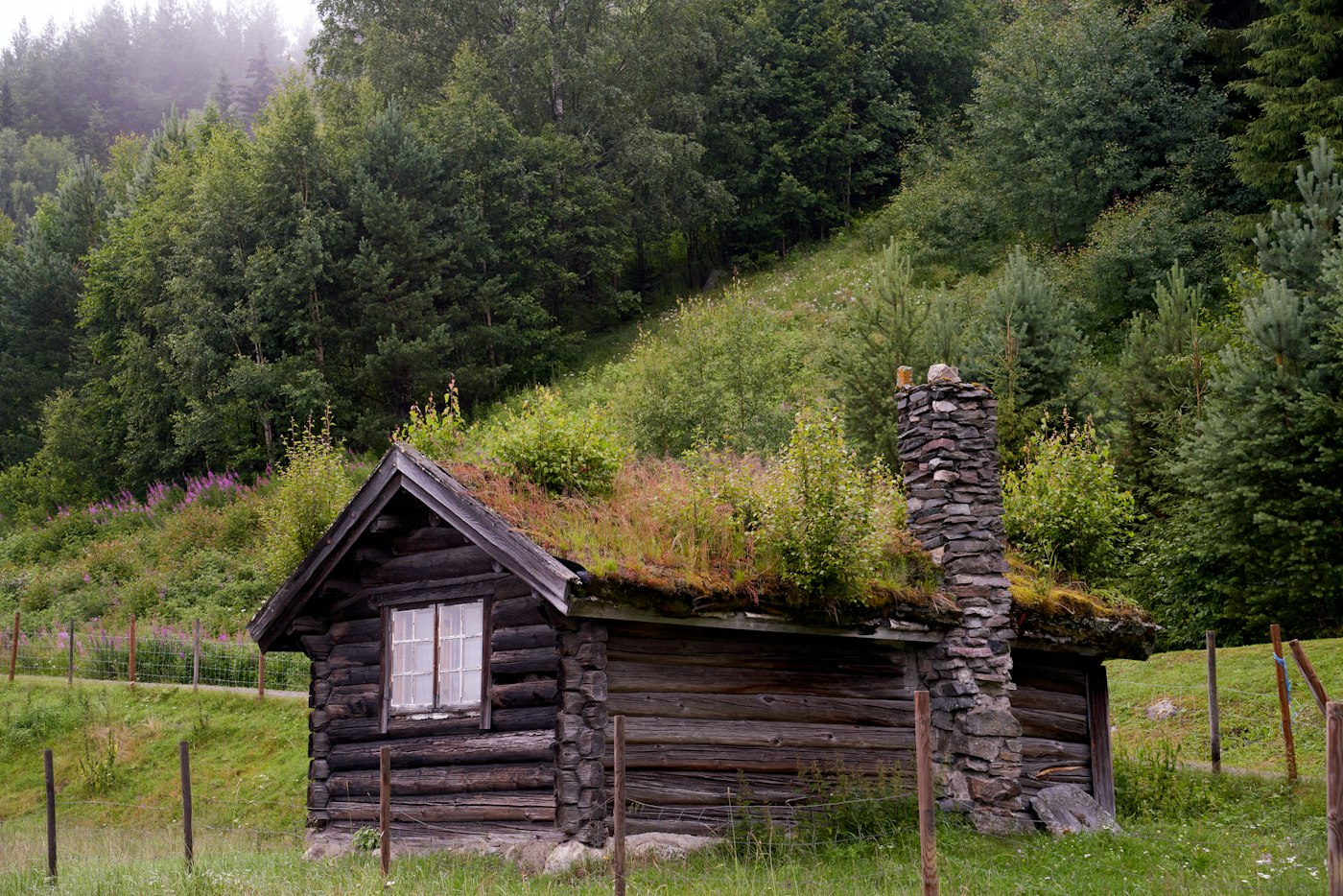
Log and timber homes reward regular care. There is nothing quite like a well-kept cabin in the North Georgia mountains: warm wood, big beams and a feeling of being tucked into the landscape. But wood that is exposed to sun, rain, humidity and insects needs attention to stay sound and beautiful. The good news is that most of that care follows a predictable rhythm through the year. Here is a season-by-season calendar you can use, whether you own a cabin now, are buying one, or are getting one ready to sell.
Why a Calendar Helps
Many cabin problems start small and grow quietly. A small check in a log lets in water. A clogged gutter splashes the lower courses every time it rains. A bit of rot near a deck connection spreads over a few seasons. None of these is a crisis on its own, but put off for several years they can become costly. Breaking the work into seasons makes it manageable and helps you catch issues while they are still easy to fix.
Spring: Inspect and Clean
Spring is the time to see what winter did and get the home ready for the wet months.
Inspect logs for checking and rot
Checking refers to the cracks that form in logs as they dry and move over time. Some checking is normal and expected. The concern is checks on the upper side of a log, where water can collect and soak in. Walk the outside of the home and look closely at:
- Upward-facing checks that could hold water.
- Log ends, which absorb moisture more quickly than the sides.
- The lower courses near the ground, which get the most splash.
- Areas under windows, around doors and beneath decks.
- Any wood that feels soft when pressed with a screwdriver.
Upward-facing checks can often be sealed with a product made for log homes. Soft wood is a sign of rot and should be evaluated by someone experienced with log structures.
Clean gutters
Gutters protect log walls by carrying water away from the home. After a winter of storms and the last of the fall leaves, they are often clogged. Clean them out, check that downspouts direct water well away from the foundation, and look for spots where water has been overflowing onto the walls.
Other spring tasks
- Trim plants and shrubs back from the walls to let air circulate.
- Check caulking and chinking for gaps.
- Look over decks and railings after the winter.
- Check for signs of insects, such as small holes or sawdust.
Summer: Stain or Seal if Due
Summer’s dry, warm stretches are the best time for exterior finish work. Stain or seal if due, which for many log and timber homes is every three to five years, depending on the product, sun exposure and weather.
How to tell if it’s time
- The water test: splash water on the logs. If it beads up, the finish is still working. If it soaks in, it is time.
- Fading: sun-exposed walls, especially those facing south and west, fade first.
- Graying: gray, weathered wood means the finish has worn away.
Doing it right
- Clean the logs first and let them dry completely.
- Make any repairs to checks, chinking and caulking.
- Use a product designed for log homes.
- Apply on a dry day, within the temperature range on the label.
- Pay extra attention to sun-exposed and weather-exposed walls.
Many owners hire professionals for this work, especially on tall walls or large homes. Either way, keep a record of when it was done and what product was used.
Fall: Pest Inspection and Chimney Cleaning
Fall is about getting ready for the cold months and making sure nothing is moving in with you.
Pest inspection
Wood homes can attract insects such as carpenter bees, wood-boring beetles and termites. A professional pest inspection each fall can catch problems early. Mice and other small animals also look for warm spots as the weather cools, so seal gaps around pipes, vents and doors.
Chimney cleaning
Many cabins have wood-burning fireplaces or stoves. Before the first fire of the season, have the chimney cleaned and inspected. Creosote buildup can cause chimney fires, and an inspection can identify cracked flues, damaged caps or other problems.
Other fall tasks
- Clean gutters again after the leaves drop.
- Service your heating system.
- Check weather stripping on doors and windows.
- Store or cover outdoor furniture.
Winter: Watch for Ice and Manage Humidity
Winter in the mountains brings cold snaps, occasional snow and ice, and very dry indoor air when the heat is running.
Check for ice damming
Ice dams form when heat from the home melts snow on the roof, which then refreezes at the colder edges. The ice can trap water that backs up under shingles and leaks into walls and ceilings. After a snowfall, look for heavy icicles and ice buildup along the eaves, and watch for interior water stains. Good attic insulation and ventilation help prevent ice dams.
Keep humidity moderate
Wood expands and contracts with moisture. Very dry winter air can cause more checking and gaps, while too much humidity encourages mold. Many log home owners aim for moderate indoor humidity during heating season, using a humidifier if the air is very dry. A simple hygrometer helps you keep track.
For Buyers and Sellers
If you are buying a log or timber home, ask the seller when it was last stained or sealed, when the chimney was cleaned, and whether there is a pest inspection history. A home inspector with log home experience is worth seeking out.
If you are selling, a maintenance record helps buyers feel confident. Keep receipts and dates for staining, chinking, pest treatments and chimney work, and address any obvious items before listing.
What to Do This Season
- Note where we are on the calendar and pick the next task.
- Do the water test on your sunniest wall.
- Schedule your fall pest inspection and chimney cleaning.
- Start a simple maintenance log for your home, and talk with Sherry if you are thinking about buying or selling a cabin.


