
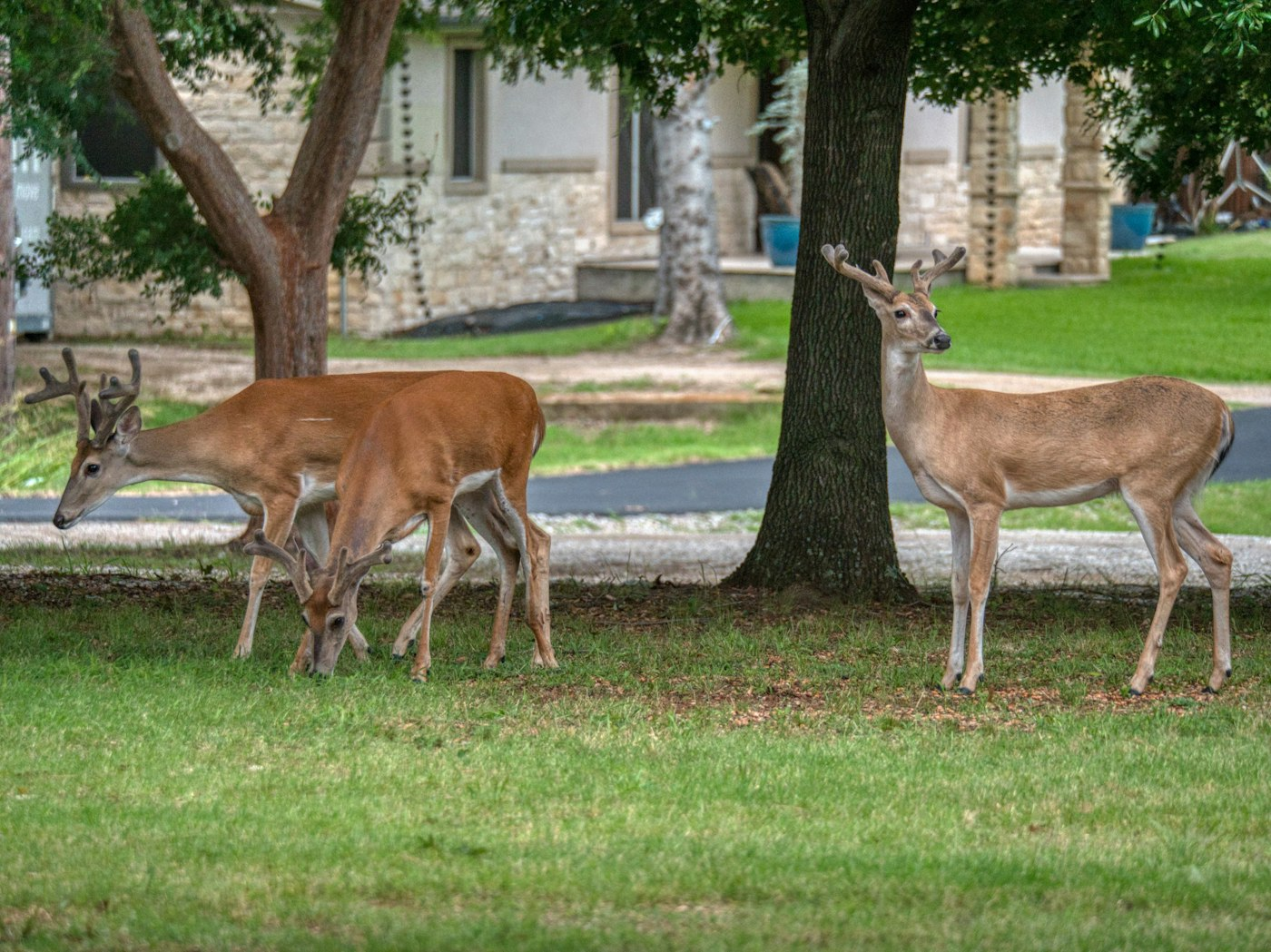
Black bears, deer, wild turkeys and the occasional bobcat are neighbors here. For many people who move to the North Georgia mountains, seeing wildlife from the porch is one of the great pleasures of the place. A doe and fawn crossing the yard at dawn, a flock of turkeys working through the woods, the rare glimpse of a bear at the edge of the trees: these are the moments that make mountain living feel special. It is part of the charm, handled sensibly. Here is how to live alongside wildlife in a way that keeps both you and the animals safe.
Who Your Neighbors Are
Black bears
Black bears live throughout the mountains and are usually shy of people. They are curious and driven largely by food, and they have an excellent sense of smell. Most problems with bears come down to food that people leave out, often without realizing it: garbage, bird seed, pet food and grease from grills. Bears are most active from spring through fall and tend to be less active in the coldest part of winter.
Deer
White-tailed deer are common and often bold in residential areas. They browse on gardens, shrubs and flowers, and they are a frequent hazard on roads, especially around dawn and dusk.
Wild turkeys
Wild turkeys travel in groups through woods and open areas. They are mostly harmless and fun to watch, though they can scratch up gardens and mulch beds while foraging.
Bobcats and other wildlife
Bobcats are secretive and rarely seen. You may also share the woods with foxes, raccoons, opossums, coyotes, snakes and a wide variety of birds. Each has its own habits, but the same basic principles apply: do not feed them, keep food secured, and give them space.
Habits That Keep Everyone Safe
Living with wildlife is mostly about a few simple habits. These make the biggest difference.
Secure trash
Garbage is the number one attraction for bears and many other animals. Store trash cans in a garage or shed, or use a bear-resistant container. Put trash out the morning of pickup rather than the night before, and rinse food containers before throwing them away. If you have a short-term rental, make sure guests know the trash rules, because one night of unsecured garbage can teach a bear to come back.
Bring bird feeders in during bear season
Bird seed is high in calories and very attractive to bears. Many residents take feeders down from spring through fall, when bears are most active, and put them back up in winter. If you keep feeders out, clean up spilled seed and hang them well out of reach, but understand that a determined bear can usually get to them.
Fence gardens
Deer love vegetable gardens and many ornamental plants. A sturdy fence, tall enough that deer cannot easily jump it, is the most reliable protection. Raised beds, netting and choosing deer-resistant plants can also help. Fencing keeps out rabbits and other animals that might otherwise help themselves.
Drive carefully at dusk
Deer are most active around dawn and dusk, and mountain roads have curves and limited visibility. Slow down, watch the shoulders, and remember that where one deer crosses, others often follow. Use high beams when it is safe to do so, and be especially alert in fall.
More Good Practices
- Feed pets indoors. Pet food left on porches attracts bears, raccoons and others.
- Clean the grill. Burn off residue after cooking and empty grease traps.
- Keep doors closed. Bears can open unlocked car doors and screen doors. Do not leave food in vehicles.
- Manage compost. Avoid adding meat, fish or oily foods, and consider an enclosed bin.
- Watch small pets. Keep small dogs and cats close, particularly at night.
- Never feed wildlife on purpose. Animals that get used to people and handouts are more likely to become problems.
If You Encounter a Bear
Most bear encounters end with the bear leaving. If you see one:
- Stay calm and do not approach it.
- Give it a clear path to leave.
- Make yourself known by speaking in a firm voice.
- Back away slowly. Do not run.
- Bring children and pets inside.
- Once it has left, figure out what attracted it and remove it.
If a bear keeps returning or seems unafraid of people, contact the Georgia Department of Natural Resources for guidance.
What This Means When Buying a Mountain Home
Wildlife is part of the package when you buy in the mountains, and a few questions can help you plan:
- Does the property have a garage, shed or enclosure for trash cans?
- How is trash collected, and is there a bear-resistant container?
- Is there a fenced garden area, or room for one?
- Does the community or homeowners association have wildlife rules?
- What is the driveway and road like at night?
Sellers can help buyers by keeping trash secured and feeders put away during showings, and by mentioning any wildlife-friendly features such as a bear-resistant bin or a fenced garden.
What to Do This Week
- Move trash cans into a garage or shed, or look into a bear-resistant container.
- Take down bird feeders if bears are active in your area.
- Check your garden fence for gaps.
- Slow down on your evening drives and enjoy the view of your wild neighbors from a safe distance.


