
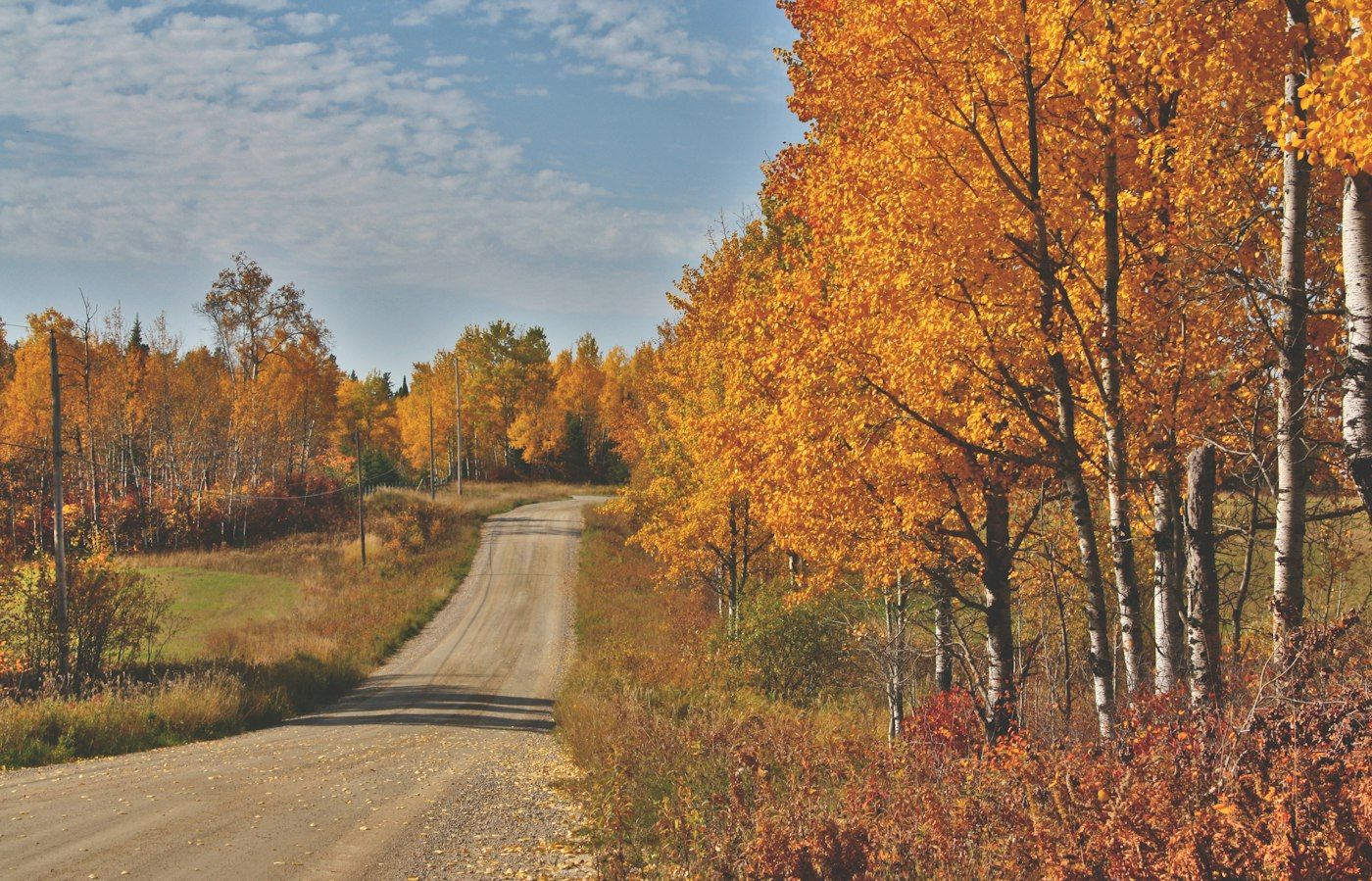
Many mountain homes are reached by gravel roads and steep drives. They are normal here, and they come with questions. A winding gravel road through the trees is part of the charm of North Georgia living, but before you buy, you want to know exactly who takes care of that road, how it holds up in bad weather and whether everyone who needs to reach your home can get there.
Here are the access questions every mountain buyer should ask, along with practical tips for evaluating a road or driveway before you commit.
Why Access Deserves Its Own Checklist
When buyers tour a mountain home on a sunny afternoon, the drive up can feel like part of the adventure. But you will be making that drive in every season, in the dark, in the rain and occasionally in ice. Access affects your daily routine, your safety, your maintenance budget and even the resale value of the home. It is easy to overlook during a showing and hard to fix after closing.
The good news is that most access questions have clear answers if you know what to ask.
Who Maintains the Road?
This is the first and most important question. Roads leading to mountain homes generally fall into a few categories:
- County-maintained roads. The county handles grading, repairs and sometimes snow and ice treatment, though priorities vary and back roads may be lower on the list.
- Private roads maintained by an HOA. Many gated communities maintain their own roads, funded by dues or assessments.
- Private roads shared by neighbors. Owners along the road may share the cost and work of maintenance, formally or informally.
- Private roads with no clear arrangement. These can be the trickiest, because no one may be responsible when a culvert washes out or potholes deepen.
Ask the seller, check with the county and review any HOA documents to confirm which category applies.
Is There a Road Maintenance Agreement?
For private roads, a written road maintenance agreement spells out who pays for what and how decisions are made. A good agreement typically covers how costs are shared, who arranges grading or gravel, how repairs are approved and what happens if an owner does not pay their share.
If there is no written agreement, ask how maintenance has been handled in the past. An informal arrangement among friendly neighbors can work well, but it may not survive a change in ownership. Some lenders also look at road access and maintenance when underwriting a loan, so this question can affect financing too.
Also ask about legal access. The property should have a recorded right to use the road, typically through public right-of-way or a recorded easement. Your closing attorney and title work will help confirm this.
Is the Driveway Passable in Ice?
North Georgia winters are generally mild, but ice and occasional snow do happen, and a steep driveway that is easy in August can be dangerous in January. When you evaluate a driveway, look at:
- Grade. How steep is it, and are there sharp curves on the steepest parts?
- Surface. Paved, concrete and gravel drives behave differently in wet and icy conditions.
- Exposure. North-facing and heavily shaded drives can hold ice longer after a storm.
- Drainage. Look for culverts, ditches and signs of washouts. Poor drainage damages gravel and can create ice patches.
- Turnaround space. Is there room to turn around at the top, or will you be backing down?
Ask the seller how they handle ice. Some owners keep a supply of gravel or sand on hand, some park at the bottom during storms, and some simply stay home for a day. Knowing their routine tells you a lot.
Can a Delivery Truck or Ambulance Reach the House?
This question matters more than many buyers realize. Consider:
- Can a moving truck, propane delivery truck, septic pump truck or furniture delivery navigate the road and drive?
- Is there room for larger vehicles to turn around?
- Can emergency vehicles reach the house quickly, and is the address clearly marked from the road?
- Are there low-hanging branches, tight switchbacks or narrow bridges?
- Will contractors be able to bring equipment for future projects?
Emergency access is especially important for anyone thinking about long-term living in the mountains. Clear signage and a well-maintained drive help responders find you.
Vehicles: some properties practically require all-wheel drive
Some properties practically require all-wheel drive in winter. If you are buying a home on a steep gravel drive, think about whether your current vehicle can handle it in poor conditions. Many mountain residents rely on all-wheel or four-wheel drive vehicles and good tires. If you plan to rent the home, think about your guests too. Visitors who arrive in low-clearance cars may struggle with a rough road, and that can affect reviews and bookings.
Tips for Evaluating Access Before You Buy
- Drive the road yourself, ideally more than once and at different times of day.
- Visit after rain if you can, to see how the road and drive handle water.
- Talk with neighbors about road maintenance and winter conditions.
- Ask for maintenance records or receipts for grading and gravel.
- Get estimates for any improvements you might want, such as paving the steepest section or adding drainage.
- Review the survey and title work to confirm legal access.
Honest Answers About Access
Sherry will tell you honestly which properties have access challenges. Some homes with tricky roads are still wonderful choices, especially for buyers who know what they are getting into. Others are better suited to buyers with different needs. Our goal is to make sure you know the full picture before you make an offer.
What to do this week
- Add access questions to your showing checklist.
- Ask about road maintenance and legal access on every home you are considering.
- Think about the vehicle you drive and whether it fits mountain living.
- Talk with Sherry about properties that match your comfort level with gravel roads and steep drives.


