
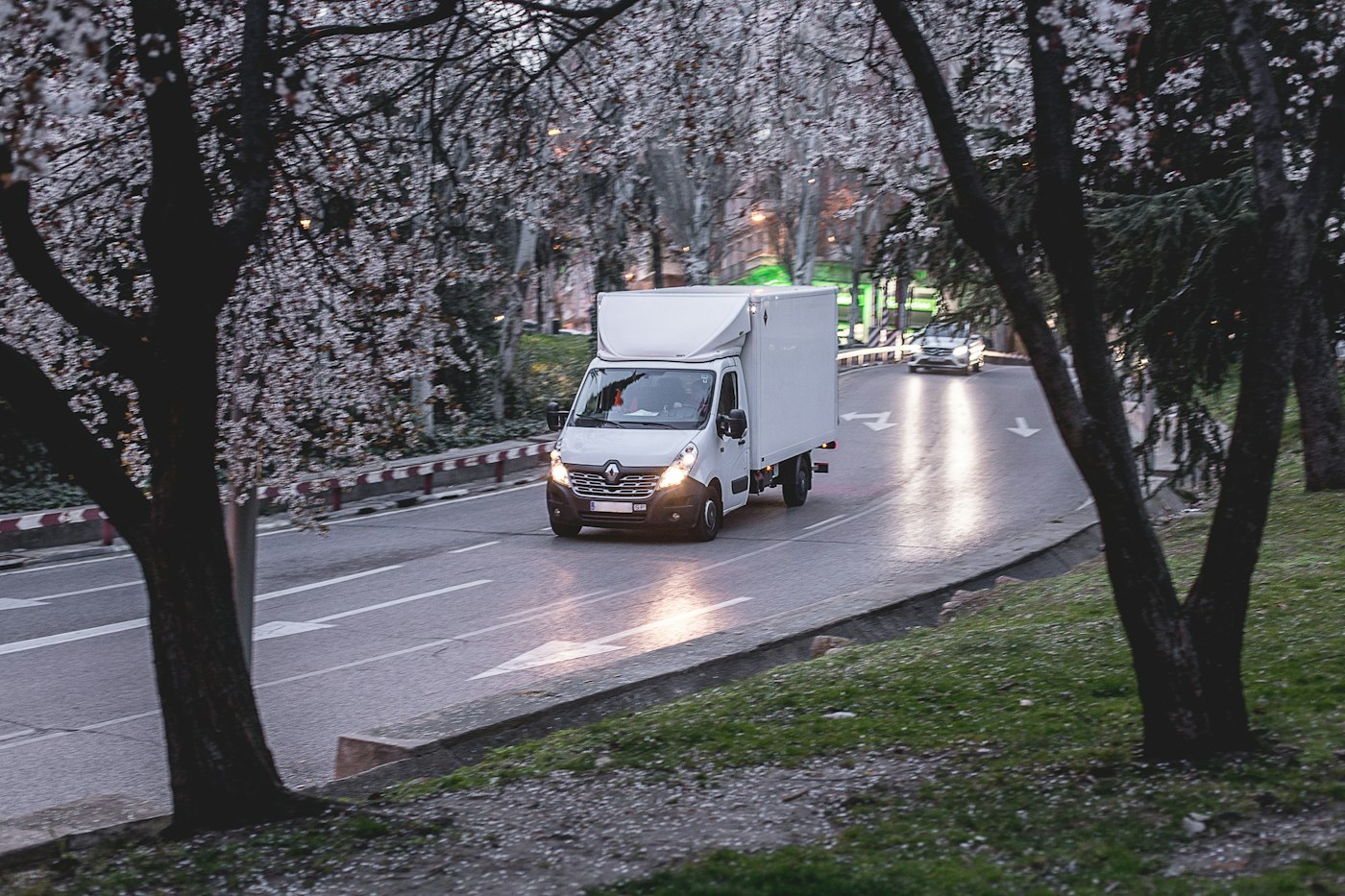
Moving companies talk about access the way real estate agents talk about location. Where the truck can park, how far the crew must carry each item and whether stairs or elevators are involved all affect how long a move takes, what it costs and how smoothly the day goes. A little scouting at both homes before moving day prevents most surprises.
Scout the street at both ends
Visit each address, or study photos and maps, with the truck in mind. A large moving truck needs room to park, room to turn around and clearance overhead. Note:
- Low tree branches, power lines and overhangs along the street and driveway
- Narrow streets, cul-de-sacs, steep driveways and soft shoulders
- Parking restrictions, fire hydrants, bus stops and no-parking zones
- The distance from the likely truck spot to the front door, and any stairs along the way
Share what you find with your moving company. If a full-size truck cannot get close, the movers may need a smaller shuttle truck, which takes extra time. It is far better to learn that during the estimate than on the morning of the move.
Permits and rules
Some cities require a permit to park a moving truck or a portable storage container on a public street, or to reserve curb space for the day. Rules vary widely, so check your local government’s website or call the transportation or public works department well ahead of time.
Homeowners associations and condominium buildings often have their own requirements: approved moving hours, advance registration, elevator reservations, protective pads, certificates of insurance from the mover or limits on how long a container can sit in a driveway. Ask the association or building manager for the rules at both homes, and pass them along to your mover.
Protect the property
A heavy truck can crack a driveway or leave ruts in a lawn, especially after summer rain. Ask the crew where they plan to park, and keep the truck off grass and away from septic areas. Inside, ask whether the movers provide floor runners, door jamb protectors and banister padding. Measure doorways and hallways for large furniture, and remove doors from their hinges if needed. Walk through the new home before the first box comes in and photograph its condition, so any damage that happens during the move is easy to identify.
Courtesy for the neighbors
A moving truck is a big presence on a residential street. Let the closest neighbors know when it will arrive and how long it will stay, keep their driveways and mailboxes clear and avoid very early weekend starts. If you are moving out, leave the curb free of packing debris. If you are moving in, it is a natural moment to introduce yourself and thank people for their patience.
A day-before check
Confirm the arrival time and truck size with your mover, check the weather forecast, move your own cars out of the way, clear a path from the truck spot to the door and make sure someone at each home has the keys, codes and phone numbers the crew will need.
Special Access Situations and How to Plan for Them
Some homes present access challenges that are worth discussing with your mover during the estimate, not on moving day.
Long driveways and rural roads
Homes set back from the road, on gravel drives or on narrow country roads may not be reachable by a full-size truck, especially after rain. Ask your mover whether a smaller truck or a shuttle will be needed, and walk the drive to look for soft spots, low branches and tight turns.
Townhomes and condominiums
Shared parking areas, fire lanes and building rules can limit where a truck can stop. Reserve loading areas and elevators in advance, and confirm whether the building requires the mover to provide a certificate of insurance.
Steep lots and multi-level homes
Stairs at the entry, homes built into hillsides and lots with walk-out basements can add carrying time. Mention every set of stairs, inside and out, during your estimate so the mover can plan the right crew size.
New construction
New neighborhoods may have unfinished roads, construction traffic and limited parking. Check with the builder about move-in rules and any areas where trucks should not park.
Information to Share With Your Mover
A thorough estimate depends on good information. Before you get quotes, gather the following for both homes:
- The full address and any gate codes or access instructions
- The type of home and number of floors
- The number of stairs at the entry and inside the home
- Elevator availability and reservation requirements
- The approximate distance from the truck’s likely parking spot to the door
- Any HOA, building or city rules on moving hours, permits or containers
- Large or unusual items, such as pianos, safes or gym equipment
- Photos of the street, driveway and entry if the mover cannot visit
Mistakes That Slow Down a Moving Day
- Not reserving the elevator or loading dock. Without a reservation, the crew may have to wait or share access.
- Blocking the driveway with personal vehicles. Move your cars before the truck arrives, at both homes.
- Underestimating the carry distance. A long walk from the truck to the door adds time to every load.
- Forgetting about overhead clearance. Low branches or wires can prevent a truck from pulling close.
- Leaving paths cluttered. Boxes, rugs and pet gates in walkways slow the crew and create tripping hazards.
- Skipping the permit check. A ticket or a request to move the truck can disrupt the whole day.
Questions Readers Ask About Moving Access
Can I reserve street parking with cones or signs?
Some cities allow it only with a permit. Using cones or signs without permission may not be allowed. Check your local rules.
What if the truck damages my driveway or lawn?
Document the condition before and after the move, and report damage to your mover promptly. Your moving agreement explains how claims are handled.
Should I be at both homes on moving day?
Ideally, someone should be present at each end to answer questions and direct the crew. If you cannot be at both, arrange for a trusted person to help.
How do I keep the crew from getting lost?
Send the mover a pinned map location and written directions, especially for rural homes where GPS can be unreliable. A sign or balloon at the end of the driveway also helps.


