
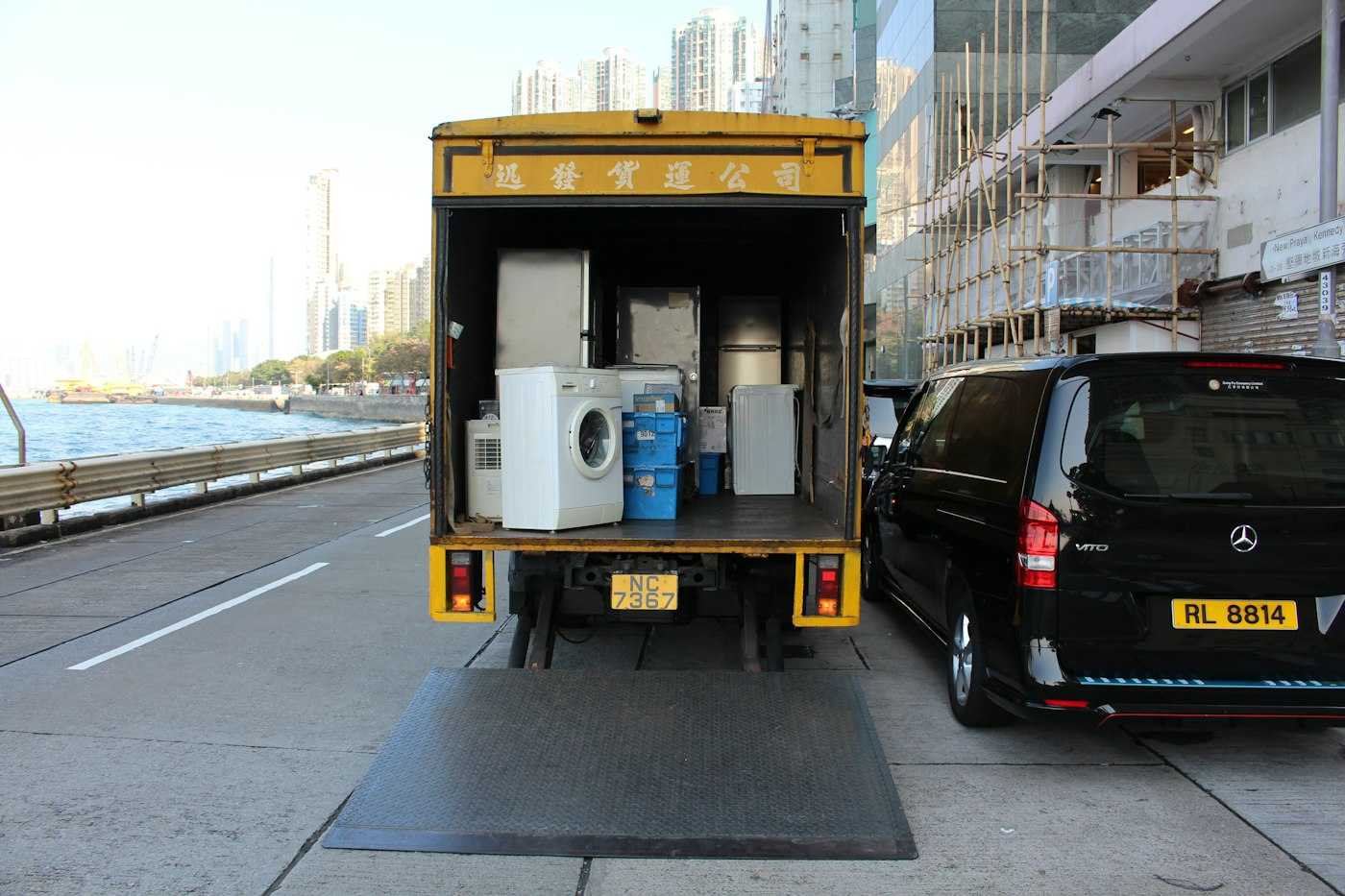
Large appliances are among the heaviest, most awkward things in a move, and they come with water lines, gas connections and power cords that need attention at both ends. Start by checking your contracts, since appliances often stay with a house when it sells. If yours are coming with you, a little preparation protects them, the movers and both homes.
Refrigerators and freezers
Use up or give away food in the days before the move. Unplug the refrigerator ahead of time, following the manufacturer’s guidance, so the freezer can defrost and the interior can dry. Set towels underneath to catch melting ice. If the refrigerator has an ice maker or water dispenser, shut off and disconnect the water supply line and drain any reservoir. Remove or secure shelves and drawers, and tape the doors closed for the trip.
Ask your mover or check the manual about whether the refrigerator should stay upright during transport. Many manufacturers recommend letting it stand upright for a while at the new home before plugging it back in.
Washers and dryers
Turn off the washer’s water supply valves, then disconnect and drain the hoses; the manual usually explains how to drain any water left in the machine. Many front-loading washers need shipping bolts or a transit kit installed to keep the drum from shifting, so check the manual and look for the original bolts in the laundry area. When you reconnect, consider replacing old rubber hoses with new ones.
Electric dryers simply unplug, but gas dryers are another matter. A qualified professional should disconnect and reconnect gas lines and check for leaks. Clean the lint screen and vent duct before you go, and inspect the venting at the new home, since a crushed or clogged vent is a fire hazard.
Ranges, dishwashers and built-ins
Gas ranges, like gas dryers, should be disconnected and reconnected by a qualified professional, and your gas utility may need to be involved. Electric ranges and dryers use heavy-duty cords that may not match the outlets at the new home, so check before moving day. Dishwashers and built-in microwaves usually stay with the house; if one is moving with you, hire a plumber or installer for the connection.
At the new home
- Measure doorways, hallways and appliance spaces before moving day, including the height under cabinets.
- Confirm the type of hookups: gas or electric for the dryer and range, and the outlet style for each.
- Check that the water shutoff valves for the washer and refrigerator work and do not leak.
- Level each appliance once it is in place; a washer that is not level can shake and walk across the floor.
- Run each appliance through a cycle and watch for leaks during the first few uses.
If you ever smell gas, leave the house and call your gas utility or 911 from outside. Otherwise, a careful hookup and a test run are all it takes to have the laundry running again by the end of the first week.
A Moving-Week Plan for Appliances
Appliances need more lead time than most household items. Spreading the preparation across the final week keeps them from becoming a moving-day emergency.
One to two weeks before
- Confirm which appliances are staying and which are going, according to both your sale contract and your purchase contract.
- Measure the appliance spaces, doorways and stair turns at the new home, and compare them with each appliance’s dimensions.
- Find the manuals, or look them up online by model number, and read the moving and installation sections.
- Schedule a qualified professional for any gas disconnections and reconnections, at both homes.
- Locate washer shipping bolts or order a transit kit if the manual calls for one.
Three to four days before
- Start using up refrigerated and frozen food.
- Clean the dryer lint screen and vent duct.
- Run a final load of laundry early enough for the washer to dry out.
The day before
- Unplug and empty the refrigerator and freezer according to the manufacturer’s guidance, and leave the doors open to dry with towels underneath.
- Disconnect and drain the washer hoses and install shipping bolts.
- Bag and label any small parts, such as shelving pins, cords and hose clamps, and tape the bags to the appliance or pack them in a clearly marked box.
Moving day and after
- Protect floors at both homes with runners or boards when appliances are moved.
- Let the refrigerator stand as the manufacturer recommends before plugging it in.
- Remove shipping bolts before running the washer, and keep them for a future move.
- Check every connection for leaks during the first few uses.
Mistakes That Damage Appliances or Homes
- Running a washer with shipping bolts installed. This can damage the machine. Always remove the bolts before the first cycle.
- Reusing worn hoses. Old rubber washer hoses can burst. Many owners replace them with new hoses at the time of a move.
- Kinking or crushing the dryer vent. Pushing a dryer tight against the wall can flatten the duct. Leave enough space for proper airflow.
- Skipping the refrigerator’s water line check. A loose connection behind the refrigerator can leak slowly for a long time before anyone notices.
- Dragging appliances across floors. Use an appliance dolly and floor protection to avoid scratches and gouges.
- Handling gas connections yourself. Gas work should be done by a qualified professional to avoid leaks.
Questions Readers Ask About Moving Appliances
Should I move my appliances or buy new ones?
It depends on their age, condition and how well they will fit the new home. Compare the cost and effort of moving with the cost of replacing, and consider whether the new home’s spaces and hookups match.
Will movers disconnect appliances for me?
Some movers offer appliance services, while others require appliances to be disconnected and ready before they arrive. Ask in advance, and confirm whether gas connections are excluded.
What if my dryer cord does not match the new outlet?
Dryer and range cords come in different configurations. An appliance retailer or electrician can help you get the right cord, and an electrician should handle any changes to the outlet.
Do I need to clean appliances before moving them?
A clean, dry appliance travels better and arrives ready to use. Wiping out the refrigerator and leaving the washer door open to dry helps prevent odors and mildew during the move.


