
When buyers ask about a roof, the first question is usually its age. The second should be what it is made of. Roofing materials differ in how long they last, how they handle heat and storms, how they are inspected and repaired and how insurers view them. Here is an overview of the types you are most likely to see.
Asphalt shingles
Asphalt shingles cover most homes in the United States. Basic three-tab shingles lie flat and uniform. Architectural or dimensional shingles are thicker, layered for a textured look and generally more durable. Some shingles are rated for impact resistance under a recognized testing standard, which can matter in hail-prone areas and sometimes earns an insurance discount. Ask whether the shingles carry an impact rating and whether paperwork exists to prove it.
Shingles show age through granule loss, curling and cracking, and they are relatively easy to inspect and repair. Building codes in many areas limit how many layers of shingles a roof can have, so ask whether the current roof was installed over an older one.
Metal roofing
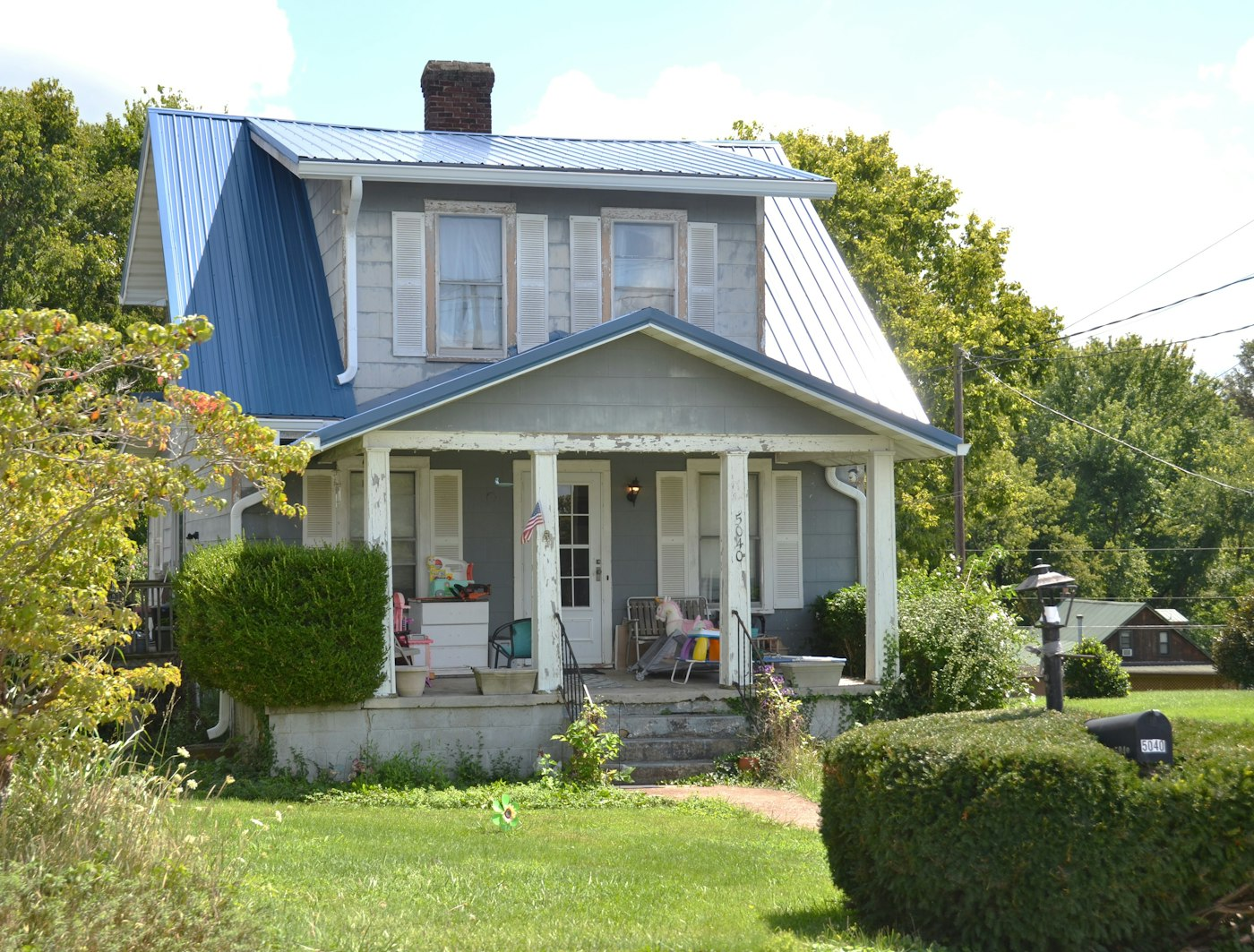
Metal roofs come in two broad styles. Standing-seam roofs have raised seams with concealed fasteners, while exposed-fastener panels are screwed through the surface. Metal can last a long time and sheds rain easily. Exposed-fastener roofs need periodic attention, because the rubber washers around the screws wear out with sun exposure. Hail can dent metal without causing leaks, and some insurance policies exclude purely cosmetic damage to metal roofs, so ask your insurance agent how that would be handled.
Tile and slate
Clay and concrete tile are common in warm, sunny climates and can last for decades. Slate is among the longest-lasting roofing materials of all. Both are heavy and brittle, so inspectors and repair crews avoid walking on them, and broken pieces need careful replacement by experienced roofers. With tile, the underlayment beneath often wears out long before the tiles do, and replacing it means removing and resetting the tile. Ask when the underlayment was last addressed.
Wood shakes and low-slope roofs
Wood shakes and shingles offer a natural look but need regular care against moisture, moss and insects. Fire resistance depends on treatment, and some communities and insurers have specific requirements for wood roofs, so check early.
Low-slope or flat roofs, often found on additions, porches, garages and some modern homes, use membranes such as rubber, thermoplastic sheets or modified bitumen rather than shingles. The main concerns are seams and ponding water. Look for areas where water collects after rain and for patches or blisters, and ask how often the roof has been coated or repaired.
Questions for any roof
- What is the roofing material, and how old is the current roof?
- Were permits pulled for the installation, and does a manufacturer or workmanship warranty transfer to a new owner?
- Has the roof had storm damage, repairs or insurance claims?
- How might the material and age affect insurance coverage and premiums?
- Does this type of roof need a specialist for inspection or repair?
Your home inspector can describe the roof’s condition, and a licensed roofer can go further when needed. Knowing the material helps you interpret both reports and plan for the roof’s care.
How Roofing Material Affects Ownership Day to Day
Beyond lifespan, the type of roof shapes how you care for it, how you budget and even how the home feels. Thinking through these practical differences can help you decide how much weight to give the roof when comparing homes.
Maintenance habits by material
- Asphalt shingles: Look for granules in gutters, check for missing or lifted shingles after storms and keep branches trimmed back.
- Metal: Inspect exposed fasteners periodically, look for loose panels after high winds and keep debris from collecting in valleys.
- Tile and slate: View from the ground after storms for broken or slipped pieces, and hire experienced roofers for any repair.
- Wood: Watch for moss, rot and split shakes, and keep the roof clear of debris that holds moisture.
- Low-slope: Check for ponding after rain, keep drains and scuppers clear and look for blisters or open seams.
Comfort and noise
Some buyers ask whether a metal roof is noisy in the rain. The answer depends largely on how it was installed, including the deck and insulation beneath it. Lighter-colored roofing and certain coatings may reflect more sun than darker roofs, which can affect attic temperatures. Attic ventilation and insulation also play a large role in comfort, regardless of material.
A Worked Example: Comparing Two Roofs
Imagine a buyer choosing between two similar homes. Home A has an architectural shingle roof with a transferable workmanship warranty and permit records. Home B has an older metal roof with exposed fasteners and no records. Neither is automatically better. For Home A, the buyer might focus on the remaining warranty and the roof’s age. For Home B, the buyer might ask the inspector to look closely at the fasteners and any rust, and might ask an insurance agent how the roof’s age and material would affect coverage. By asking material-specific questions, the buyer can compare the two roofs on equal footing rather than relying on looks alone.
Common Mistakes When Evaluating Roofing Materials
- Assuming a long-lasting material means a long-lasting roof. Underlayment, flashing and installation quality often determine how long a roof actually performs.
- Overlooking mixed roofs. Many homes have more than one material, such as shingles on the main roof and a low-slope membrane over a porch. Each section needs its own evaluation.
- Not asking about impact ratings. If impact-rated shingles were installed, documentation may matter for insurance.
- Skipping the specialist. Tile, slate and some metal roofs may benefit from a roofer who works with that material regularly.
Questions Buyers Ask About Roofing Materials
Can I change roofing material when I replace the roof?
Often, yes, but the roof structure must support the new material’s weight, and local codes and HOA rules may apply. A roofer and, for heavier materials, a structural professional can advise you.
Does roofing material affect resale?
Buyers in different areas have different preferences. A roof in good condition with clear records tends to be reassuring regardless of material.
Are solar panels compatible with every roof type?
Solar can be installed on many roof types, but mounting methods differ. If you plan to add panels, ask an installer how your roof material and its remaining life would affect the project.


